Look who’s back: The princess cut is ready for a rally, and designers and manufacturers say its sharp, architectural lines may be the reason.
In its Aug. 20 update, Rapaport’s “Market Comment” highlighted the princess cut’s unexpected return: “Reports of demand for princesses after long period of weakness; prices remain low.” Rapaport said evidence for the return is anecdotal, yet it mentioned the stone’s uptick two other times in recent months.
Princess-cut defenders and admirers alike say they are ready for the shape’s redemption—although some sellers say it’s a cut best left in the past, as consumers and the jewelry industry at large just aren’t interested.
“In my little corner of the diamond world, princess cuts aren’t just slow. They’re dead. Like ‘somebody should check for a pulse’ dead,” says Aleah Arundale, co-owner of Olympian Diamonds in Chicago and founder of Jewelers Helping Jewelers, a Facebook page devoted to jewelry news and trades.
“All day long [on Jewelers Helping Jewelers], I get a front-row seat to what jewelers are actually hunting for. Ovals? Absolutely. Emerald cuts? Cushions? Old cuts? You bet. Princess cuts? Crickets,” Arundale says. “Maybe the princess isn’t dead. Maybe she’s just locked in a tower somewhere waiting for fashion to come rescue her. But right now? Nobody seems to be looking for the key.”
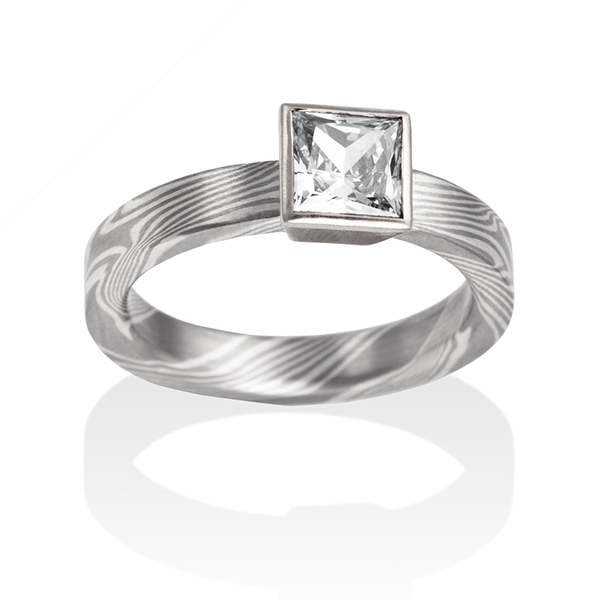
Jewelry designer Chris Ploof may be the princess cut’s knight in shining armor. The Massachusetts-based owner of Chris Ploof Designs says he never knew the princess cut was gone.
“I’m always happy to set princess-cut stones. I love them. Personally, I feel they are underutilized—other than in engagement rings—so we have used them for pendants and earrings more than rings over the years,” Ploof says.
“Cuts wax and wane because people are fickle and also want to be ‘unique’ and ‘original,’” he adds. “We tend to gravitate to these unique yet very safe choices. It is not that a princess cut is unique or original truly, but it is not round when round is common, and vice versa.”
The princess cut is one of those outliers that has a small but devoted following, says Brilliant Earth merchandising and design senior vice president Annie Chen.
“It’s one of the few shapes people ask for by name. I think the name has something to do with that. Most shape names just describe an outline. Princess suggests something more,” Chen says. “Every so often it resurfaces, and the people who love it really love it.”
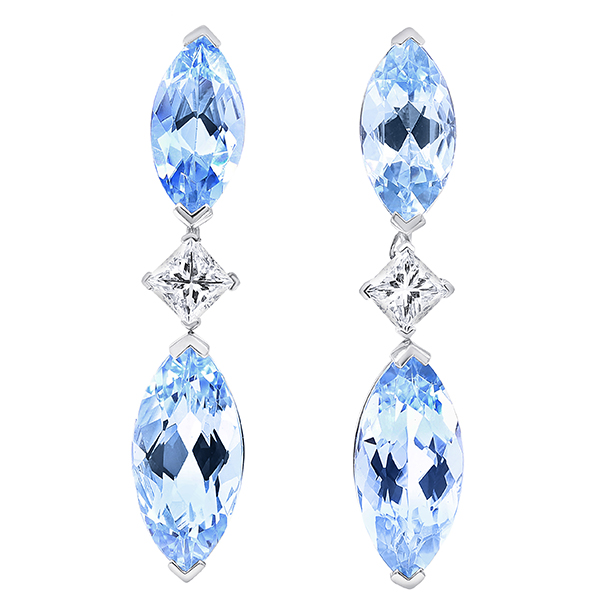
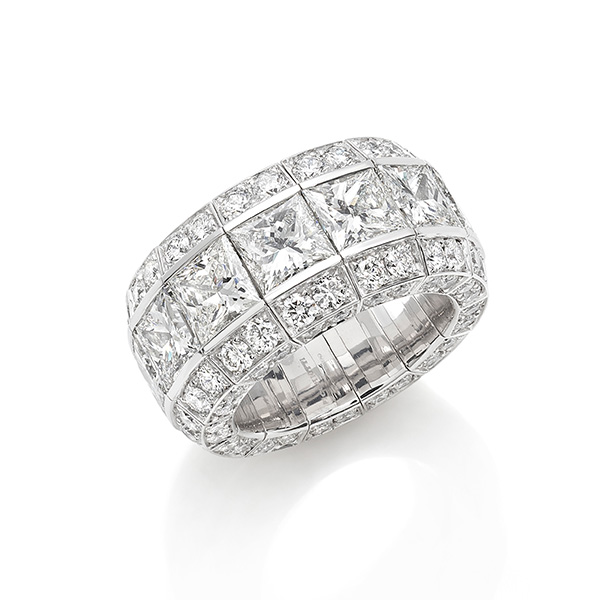
Brilliant Earth says princess cuts tend to show up as a building block rather than the whole story—an example is when it is compass-set like a kite, held with unusual prongs, or framed by other diamonds.
Another defender to some degree is Joy Haugaard, founder and creative director at Lionheart. While her most requested shapes are round, cushion-cut, and oval, Lionheart is starting to see renewed interest in other cuts, including the princess.
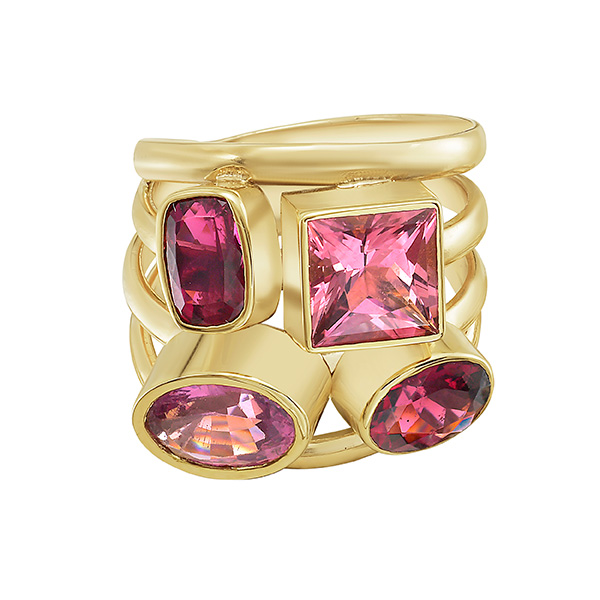
She started using the princess cut recently with colored gemstones, particularly spinels and tourmalines. She says the color found in those gemstones pairs beautifully with the cut’s square lines.
“Today’s clients are styling it differently, using more refined, sculptural settings with unexpected proportions and modern designs so it feels fresh rather than nostalgic,” Haugaard says.
At Oscar Heyman, princess cuts are part of its inventory, but not a sizable amount, says president Tom Heyman. But the jewelry brand has 114 years of trend-watching under its proverbial belt, and gemstone cuts are cyclical, he says.
“Today, the broader consumer market also seems to be influenced by celebrity engagement rings, whether as a mark of approval or simply by introducing people to a shape they may not have considered before,” Heyman says.
The princess cut shows that cycle: From its 1960s origin, its heat steadily grew in 1970s. It emerged again the 1990s and early 2000s, but has waned ever since. Celebrities including model-turned-activist Emily Ratajkowski, actress Suki Waterhouse, and singer Gwen Stefani have opted for princess cuts in their engagement rings—and if others were to join them, the cut could rise again, Haugaard says.
“Diamond cuts often reflect the cultural mood of the moment. Fashion, celebrity engagement rings, and social media all influence what clients are drawn to,” Haugaard says. “After years of softer shapes like ovals and cushions, renewed interest in the princess cut may represent a desire for something bolder, cleaner, and more structured. Trends may bring a particular cut back into focus, but beautiful, thoughtful design is what gives it lasting appeal.”
It is that angular shape that could make the princess hot again, Chen says. When soft and fluid is passé, bold and graphic takes its place.
“Diamond shapes follow fashion cycles as closely as anything. Round has historically been the constant. The bigger trend is that people are reaching past round, even past oval and emerald, for shapes nobody else has,” Chen says. “The princess is benefiting from that appetite. It hasn’t had a moment in a long time—which is exactly what makes it feel fresh again.”
Top: Lionheart Reign pink tourmaline ring ($12,750) with 1.67 ct. pink cushion-cut tourmaline, 2.2 ct. pink princess-cut tourmaline. 1.55 ct. dark pink oval tourmaline, and 2 ct. pink oval tourmaline set in 18k yellow gold (Photo courtesy of Lionheart)
- Subscribe to the JCK News Daily
- Subscribe to the JCK Special Report
- Follow JCK on Instagram: @jckmagazine
- Follow JCK on X: @jckmagazine
- Follow JCK on Facebook: @jckmagazine