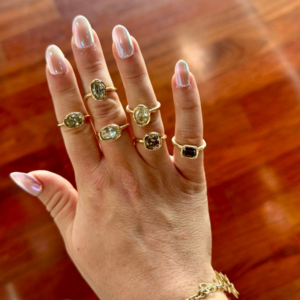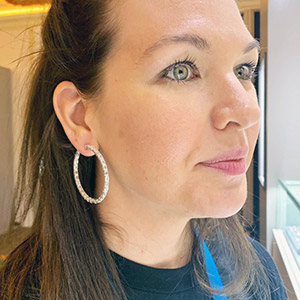
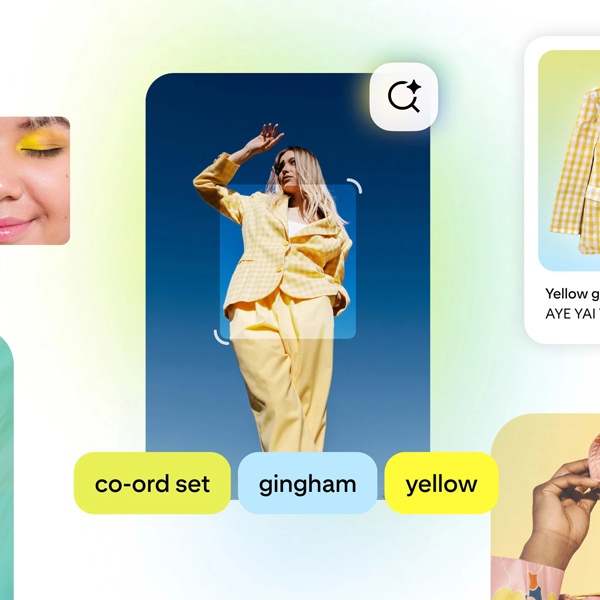
Pinterest, long a favorite site for jewelry inspiration, has been evolving into more of a search-driven shopping destination. The platform recently published a guide for advertisers that outlines a five-step approach to turning product catalogs into shoppable pins.
Even if they don’t advertise on Pinterest, jewelry designers and businesses could benefit from the recommendations. Unlike many social platforms built around endless scrolling, Pinterest users often arrive with a specific goal in mind. They may be researching engagement rings, planning a wedding or vacation, or redecorating their home. As Pinterest continues to expand its e-commerce capabilities, those searches are increasingly leading to purchases. This means that simply maintaining an active Pinterest account may no longer be enough for retailers—they need to take steps to ensure products are easy to discover, and easy to shop.
The new guide encourages businesses to connect a product catalog to Pinterest, allowing inventory to automatically populate as product pins, which can then be promoted through shopping ads. The platform supports a variety of ad formats, including standard, video, carousel, and collection-based, so there are multiple ways for brands to showcase their merchandise.
Not every jeweler is ready to invest dollars in Pinterest advertising, but they can still take away an important lesson: The success of shopping ads depends heavily on product information. Pinterest emphasizes accurate titles, detailed descriptions, high-quality imagery, and organized product catalogs, because its systems rely on that information to understand what products are and which users are most likely to be interested in them.
Pinterest’s advice also reinforces a broader shift taking place across digital marketing, one discussed here last week in relation to Instagram: Visual content alone is no longer enough; the words accompanying an image matter just as much.
A ring, for example, shouldn’t simply be labeled “gold ring.” A stronger title would include the type of metal, the gemstone, the style, and/or the intended occasion, while a thoughtful description could explain craftsmanship, inspiration, or symbolism. The richer the information, the better Pinterest can match that content with users searching for something specific.
For jewelers, the message is straightforward: Every product image has the potential to become more than inspiration. With compelling photography, detailed descriptions, and a well-organized catalog, it can remain discoverable long after it’s posted—and, ultimately, become shoppable.
(Image via Pinterest)
- Subscribe to the JCK News Daily
- Subscribe to the JCK Special Report
- Follow JCK on Instagram: @jckmagazine
- Follow JCK on X: @jckmagazine
- Follow JCK on Facebook: @jckmagazine