Market analyst Edahn Golan’s data leaves no doubt it’s been a challenging five years for natural diamonds. But there are opportunities ahead, he told JCK attendees—if the trade is ready to tell its story forcefully, especially to buyers other than young couples.
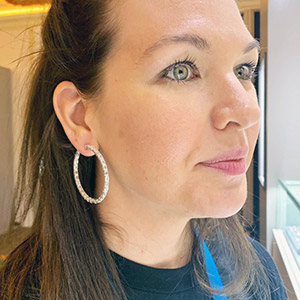
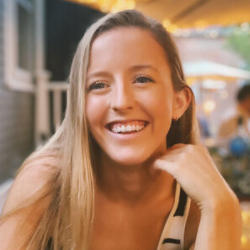
Much of the market for engagement rings has switched from natural to lab-grown diamonds since the pandemic, and it doesn’t appear to be coming back, Golan (pictured) said in his JCK Talks seminar Thursday at the annual Las Vegas show.
Yet data gathered by Golan and Tenoris, the analytics firm of which he’s co-managing partner, shows that natural diamonds are holding their own in higher-value sales, attracting new and repeat customers at upper price points, both for bridal and other categories.
“There’s a crowd out there that is interested in this product, that wants it, and is willing to pay for it,” he said.
Lab-growns dominate today’s diamond market at price points under $2,500, Golan said, but information gleaned from thousands of retail sales indicates that natural diamonds are winning sales above that mark—and that these high-end customers are buying diamond jewelry more often.
According to Golan’s data, the average purchase price of natural diamond jewelry has jumped more than 20% since 2020. Fueled by this rising transaction value, sales of natural diamond products currently are up 4% year-over-year.
Meanwhile, the LGD share of engagement ring sales grew from around 10% in 2020 to 58% in 2025. Golan said the turn toward lab-growns reflects a difference between today’s buyers and those of previous generations.
Until fairly recently, rings were often purchased solely by prospective grooms, who felt pressure to pony up for an expensive stone.
“It used to be the buyer would go to his brother, his sister, his friend, the bride’s family and ask, ‘What should I get her?’ They always said, ‘Do good by her.’ So there was a push to spend a little bit more,” he told seminar attendees.
“Today, couples walk into the store together. So now he doesn’t need to impress her as much. She has a say and she knows what she’s getting, and the pressure to move up in price is decreasing.”
Lab-grown prices mean bridal customers no longer feel bashful about buying a 2 or 3 ct. natural stone. “You can walk down the aisle with flipflops, shorts, and a three-carat stone and no one will think you’re wearing $20,000,” Golan said.
Within the bridal market, growth in natural diamond sales is coming from second marriages and from buyers who once might have been concerned that friends and family would think a larger natural stone is an extravagance, he said.
Natural diamonds are also benefiting from purchases for other occasions. According to Golan’s research, the average price paid for a diamond jewel of goods was up 17% in the week prior to Mother’s Day.
One key to keeping customers interested in natural diamonds, Golan said, is storytelling related to the product.
“If you look at what’s happening at a department store or Amazon, they don’t know how to tell you what’s happening with this jewelry—where did it come from, why does it show these design sensibilities? And that ability to offer a story is a great hook to sell jewelry,” he said.
- Subscribe to the JCK News Daily
- Subscribe to the JCK Special Report
- Follow JCK on Instagram: @jckmagazine
- Follow JCK on X: @jckmagazine
- Follow JCK on Facebook: @jckmagazine