
After our own Karen Dybis shared the story of Elizabeth Buenaventura—a Miami jewelry designer who went viral in an unfortunate case of mistaken identity—I got to thinking about the downsides of social media.
Its benefits are undeniable, especially for independent jewelers. We often highlight the opportunities these platforms create, given how vital they’ve become for building brands and connecting with customers. But every tool comes with trade-offs, and social media is no exception.
For many businesses, going viral sounds like the ultimate accomplishment. After all, social media rewards visibility. A post takes off, a celebrity wears your jewelry, an influencer tags your brand—these moments have the potential to introduce your work to thousands of new customers. More attention feels like a good thing.
Except when it isn’t.
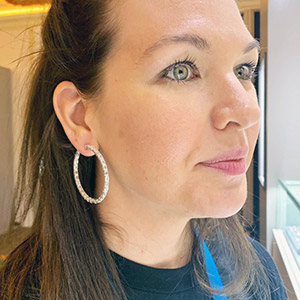
Buenaventura’s experience served as a reminder of the difference between attention and accuracy—and how the internet doesn’t always distinguish between the two. Her sudden, undeserved notoriety demonstrated how quickly misinformation can spread and how profoundly it can affect both a person’s business and personal lives. Strangers who’d had never purchased Buenaventura’s jewelry or who didn’t know anything about her company flooded her accounts with angry comments, negative reviews, and abusive messages.
Many independent jewelers spend years cultivating customer bases built on trust and authenticity, and social media plays a big role in that. Consumers often feel a genuine connection to the people behind the brands they support—one of social media’s greatest strengths. But the platforms can also expose businesses to situations entirely outside their control.
Fortunately, Buenaventura’s story also highlighted the strength of the jewelry community. As word spread that she had been misidentified—and targeted—customers, colleagues, and fellow jewelers stepped in to correct the record. Supportive comments supplanted many of the negative ones, and people were encouraged to report abusive messages and share accurate information.
If something like Buenaventura’s ordeal were to happen to your business, would you have a social media crisis plan? It doesn’t need to be elaborate, but it’s worth considering the basics: Who monitors your social channels for anything unexpected—especially if it happens after hours or over a weekend? When should your business respond publicly, and when is it better to stay silent? How do you protect employees from online harassment?
As social media continues to blur the line between personal and professional identities, these questions have become more important, even though business owners hope the answers never matter.
Social media algorithms don’t reward truth; they reward engagement. A rumor, a mistaken identity, or a misleading caption can gain traction long before the facts catch up. For businesses whose reputations are built one customer relationship at a time, that’s an unsettling reality.
We often think of social media as a marketing tool. Increasingly, it’s also part of a brand’s risk management strategy. Preparing for the unexpected may never be as exciting as planning your next sales campaign, but it could prove every bit as essential.
(Top: Getty Images)
- Subscribe to the JCK News Daily
- Subscribe to the JCK Special Report
- Follow JCK on Instagram: @jckmagazine
- Follow JCK on X: @jckmagazine
- Follow JCK on Facebook: @jckmagazine