The Gilded Age continues to fascinate because of its extremes in fashion, jewelry, politics, technology, and wealth—and that’s all the more reason to tune into the upcoming discussion between Gilded Age experts at the 92nd Street Y (92NY).
On Nov. 19, Jonathan Wahl, director emeritus of the Jewelry Center, will lead a discussion on Gilded Age fashion and jewelry with author of Gilded Age Fashion Dr. Elizabeth L. Block, jewelry historian Marion Fasel, and HBO’s The Gilded Age costume designer Kasia Walicka Maimone at the 92NY. Tickets to see the event in person are sold out, but online viewing is still available.
The panel will examine the Gilded Age era, which spanned the 1870s through the 1890s and was marked by rapid growth in industrialization, immigration, and wealth creation. JCK connected with Block to learn more about her, her book, and her thoughts on what the talk will cover.
Block is an art and fashion historian as well as editor at the Metropolitan Museum of Art in New York City. She speaks frequently on topics around late 19th century culture, appears on podcasts including The Gilded Gentleman, and is a contributor to many works around Gilded Age style, including her Substack newsletter.
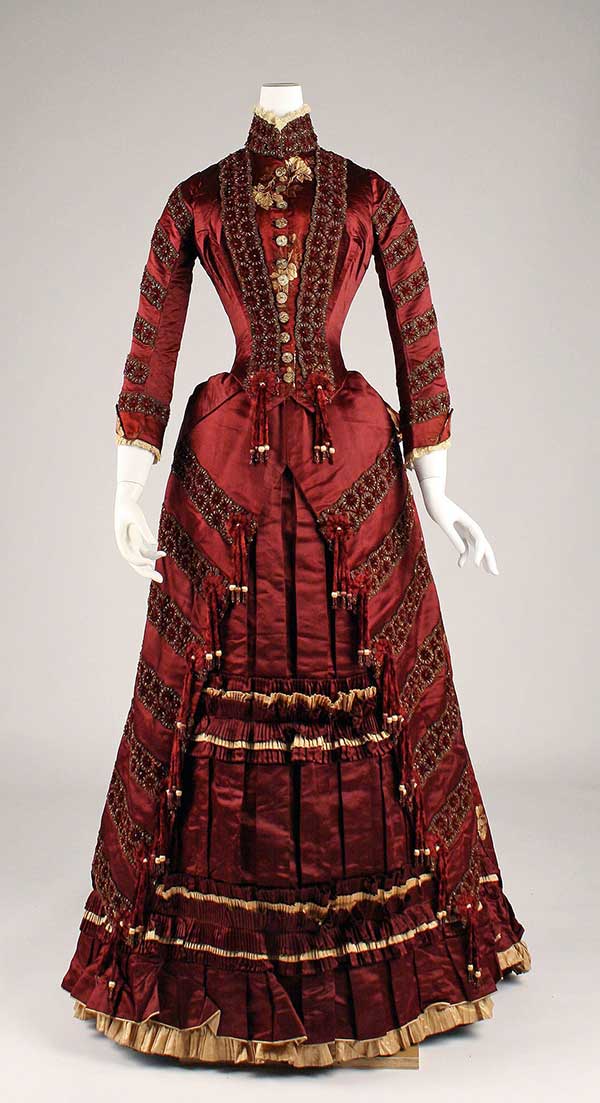
Her interest in the time period started through art history, with her doctoral research centered on portraits of American women painted in that Gilded Age time period by artists including John Singer Sargent, Mary Cassatt, and Cecilia Beaux.
“I kept finding myself drawn not only to the sitters, but to what they were wearing,” Block says. “The gowns and jewelry in those paintings are so deliberately chosen, so precisely fitted to the occasion, and to the image the sitter wanted to project. That kept pulling me toward fashion as a subject worth taking seriously on its own terms.”
Gilded Age women, especially from “old money” families, became known for their signature pieces of jewelry, Block notes.
“Caroline Astor’s famed stomacher was an elaborate brooch pinned on the bodice and made of numerous diamonds and had a royal heritage,” Block says. “Newspaper reporters repeatedly mention it in their coverage of soirées at which Astor was in attendance. They knew their readers would be interested in how Astor accessorized her dresses at each party.”
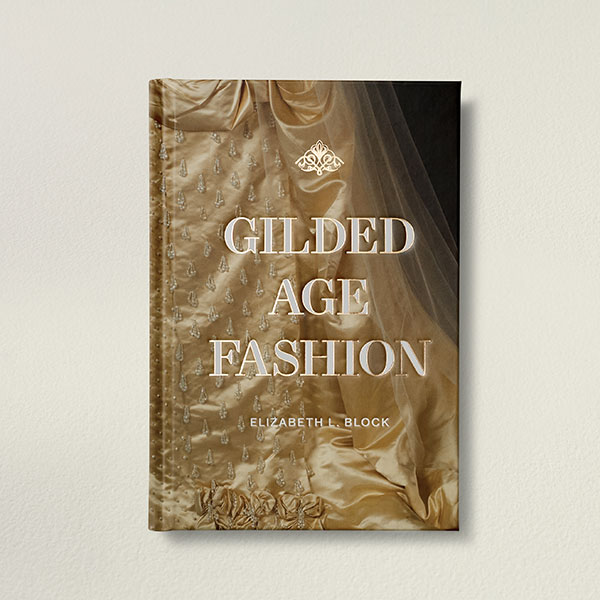
Block’s book, which published in March 2026, is a 144-page examination of more than 50 iconic gowns from the Gilded Age era. These items speak to what apparel and accessories communicated about wealth, identity, etiquette, and power in American society, Block says.
The Gilded Age was an era of massive wealth—but only for only a tiny percentage of the U.S. population. Its impact is resonating now because we are experiencing a similar, pronounced divide between the over-the-top lives of the few billionaires and the daily experiences of the majority of the population of regular, working citizens, Block says.
Shows like HBO’s The Gilded Age as well as books and movies like The Age of Innocence provide a view into the lives of the haves and have nots.
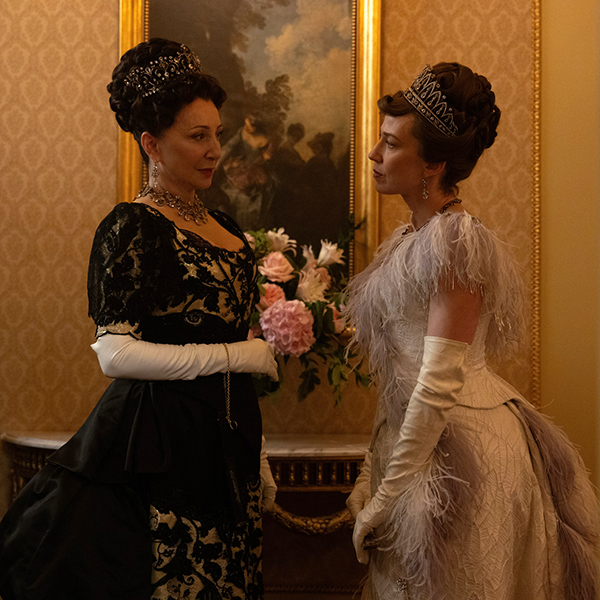
“I think there is always going to be an aspirational interest in astoundingly beautiful gem-studded necklaces and tiaras that very few people will ever have access to wearing,” Block explains. “I watch The Gilded Age very closely and greatly admire the work of the costume designers. I like how they alternate between direct influences—say a copy of a House of Worth dress—using artistic license to create a completely new design.”
One fact that may surprise people about these luxurious times? The practicality of the woman and what they wore—or, reworked, she says.
“Gilded Age women rewore their dresses and transformed them. Even with their incredible amounts of wealth, they retained an aspect of pragmatism,” Block says. “They bought extra fabric to have an alternate bodice made for certain dresses, stretching their purchases, if you will.”
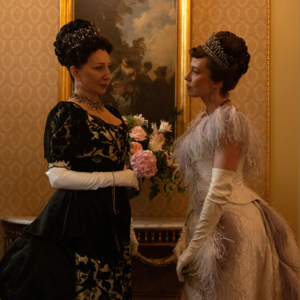
Top: Donna Murphy and Carrie Coon in The Gilded Age (photo: Karolina Wojtasik/HBO)
- Subscribe to the JCK News Daily
- Subscribe to the JCK Special Report
- Follow JCK on Instagram: @jckmagazine
- Follow JCK on X: @jckmagazine
- Follow JCK on Facebook: @jckmagazine