Botswana’s president has a pitch for the industry: Buy natural, and you’re helping protect a critical African river system.
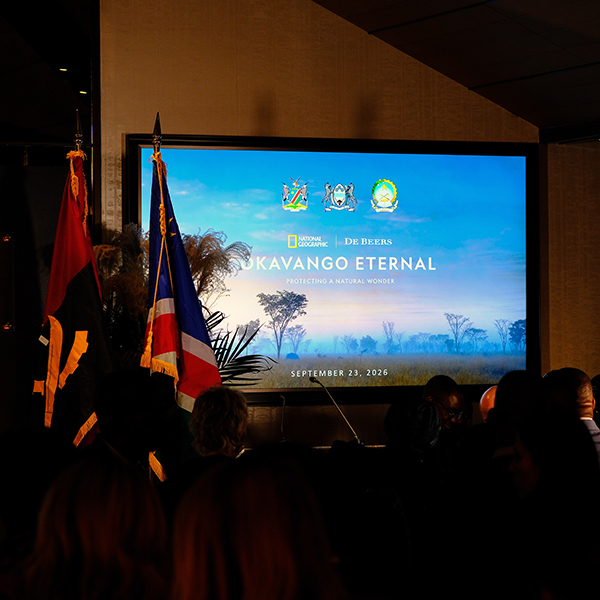
Speaking Wednesday, Sept. 23, in New York City at a De Beers and National Geographic Society event, President Duma Boko presented responsibly sourced natural diamonds as a driver for economic growth, community livelihoods, and conservation financing across southern Africa.
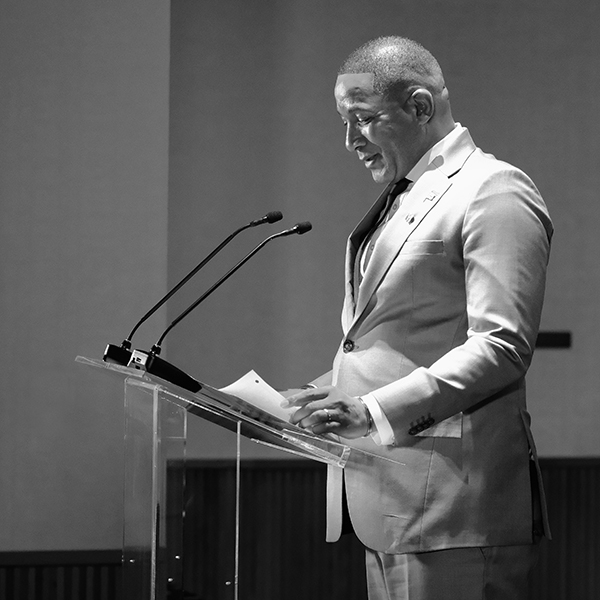
His presence in New York—celebrating the fifth year of the 10-year Okavango Eternal partnership between the diamond giant and the global nonprofit conservationist group—coincides with Climate Week NYC and the UN General Assembly. But for the diamond industry, his appearance is inextricably tied to the impending—and much-discussed—sale of De Beers, in which Botswana currently owns a 15% stake. (In 2025, country officials discussed wanting a majority stake.)
“When consumers choose a natural diamond, they are investing in the protection of the Angolan highlands, safeguarding the source waters of the Okavango Basin, and empowering over 20,000 community members,” Boko said.
Much of the river’s waters start from heavy, seasonal rainfall that begins in Angola and makes its way through Namibia before eventually reaching the Delta in Botswana. There are parts of the river that predictably flood during these seasons, and the area is home to a large amount of elephants.

Boko compared the formation of diamonds under heat and pressure to Botswana’s own development.
Botswana is entering its 60th year of independence, which is happening at a time when the sale of De Beers acts as both an opportunity as well as a risk for a country so heavily invested in the natural diamond industry.
“Our diamond story is not simply one of extraction,” he said. “It is a story of endurance, responsibility, and shared progress.”
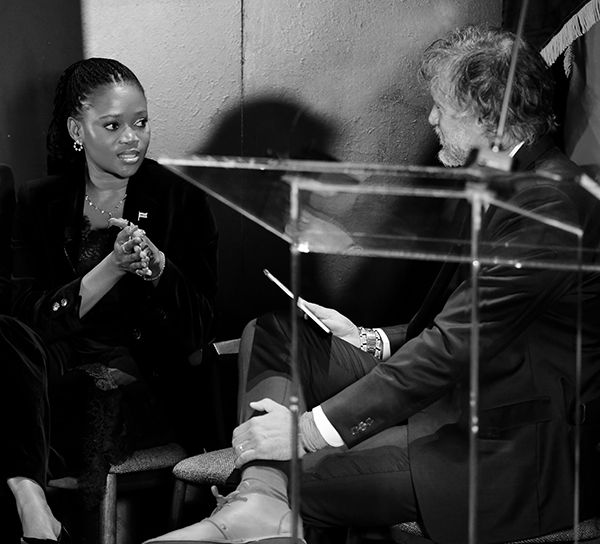
Boko also announced a second phase for Okavango Eternal, the partnership De Beers and National Geographic started in 2021. It will focus on community-led livelihoods, cross-border tourism, and habitat protection, further deepening the collaboration between the governments of Angola, Namibia, and Botswana, advancing conservation through science and building jobs.
“Watch closely,” he told the audience, which encompassed diplomats and government officials from Botswana—including Bogolo Joy Kenewendo, the country’s minister of mines and energy—along with numerous leaders from the international diamond industry. “We’re not merely participating in the global conservation movement; we’re actively shaping its future.”
(All photos: Sam Cooley)
- Subscribe to the JCK News Daily
- Subscribe to the JCK Special Report
- Follow JCK on Instagram: @jckmagazine
- Follow JCK on X: @jckmagazine
- Follow JCK on Facebook: @jckmagazine