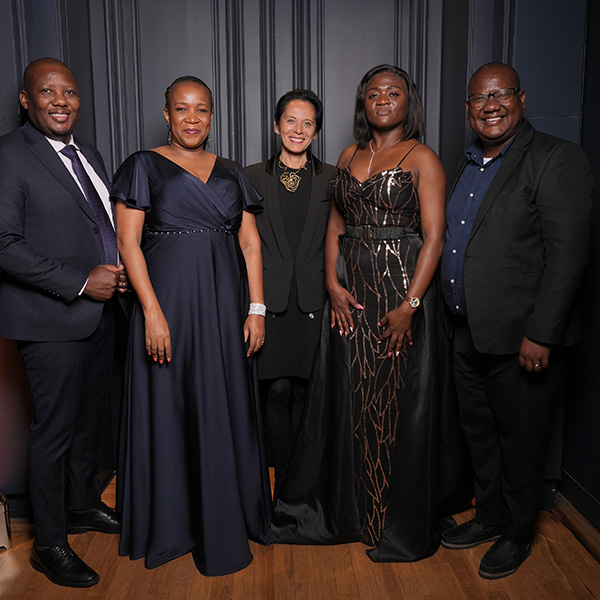
It was “the room where it happens,” as leaders from France, Botswana, Angola, and the United States met in a former royal palace to talk about natural diamonds, the Paris Declaration, and responsible sourcing.
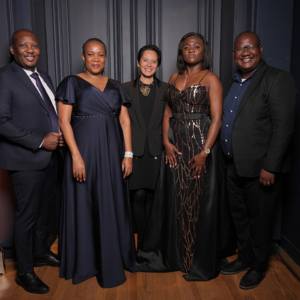
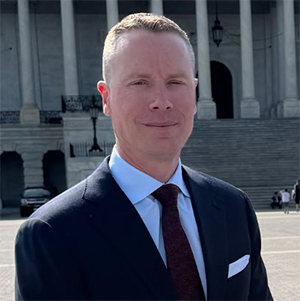
The Diamond Collective (formerly the Natural Diamond Council) hosted a dinner Nov. 19 in Paris with speakers including Diamond Collective CEO Amber Pepper and France’s Bernadette Pinet-Cuoq.
Pinet-Cuoq is the executive president of French jewelry trade association UFBJOP (Union Française de la Bijouterie, Joaillerie, Orfèvrerie, des Pierres et des Perles). She also serves on the board of directors for the World Jewellery Confederation (CIBJO).
UFBJOP hosted the 2025 CIBJO Congress in Paris in October 2025, and Pinet-Cuoq during that meeting endorsed CIBJO’s move to shift its Blue Books to use the term synthetic instead of laboratory-grown for non-natural stones. France began legally requiring the use of synthetic in 2002.
In September at its Centenary Congress in Vicenza, Italy, CIBJO’s board of directors approved recommendations from its Diamond and Coloured Stone commissions to make synthetic the sole recommended term in its Blue Books. CIBJO also noted that national laws and regulations, including the U.S. Federal Trade Commission’s guidelines, take precedence.
The dinner comes shortly after Paris and Botswana on Nov. 10 signed the Paris Declaration on Natural Diamonds during the Paris Peace Forum. Its goal is to highlight the role of natural diamonds in the success of producing nations, the importance of responsible sourcing, and the need for “clear, accurate, and consistent terminology that strengthens consumer trust, with the term diamond referring specifically to a natural diamond.”
With the theme “Brilliance With Purpose,” one of the dinner’s aims was to highlight the Diamond Collective’s role as the glue for the diamond industry. Its goal is to serve as the “platform and convener for natural diamonds,” it said in a statement.
In her opening remarks to the 50 guests including heads of diamond manufacturers, gemstone traders, and jewelry companies, Pepper highlighted natural diamonds for their meaning, especially to the communities where they are found.
“Last week, France and Botswana showed what is possible when governments lead and the industry stands behind them. Tonight, at our first gathering as the Diamond Collective, we brought every part of that story together around one table, as partners. When we act as a collective, the value of a natural diamond reaches far beyond its beauty,” she said.
In her LinkedIn post about the event, Pepper added: “I believe that by working together as a collective, we can make a natural diamond’s value reach well beyond its beauty.”
Pinet-Cuoq talked about France’s adoption of the term synthetic, responsible value chains for the country’s jewelry houses, and the role of French craftsmanship.
“Diamonds hold a unique place in the history and international prestige of French jewelry. To the story of the Earth is added a human story: that of communities in diamond-producing countries, of craftspeople, jewelers, and jewelry houses who shape the stone,” Pinet-Cuoq said.
“Our industry is closely connected to the source, creating very strong ties across the entire value chain, and it is now our shared responsibility to tell that story to the world.”
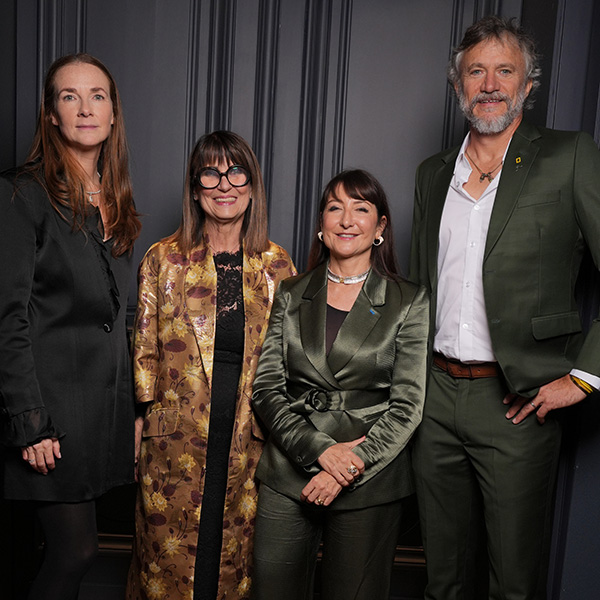
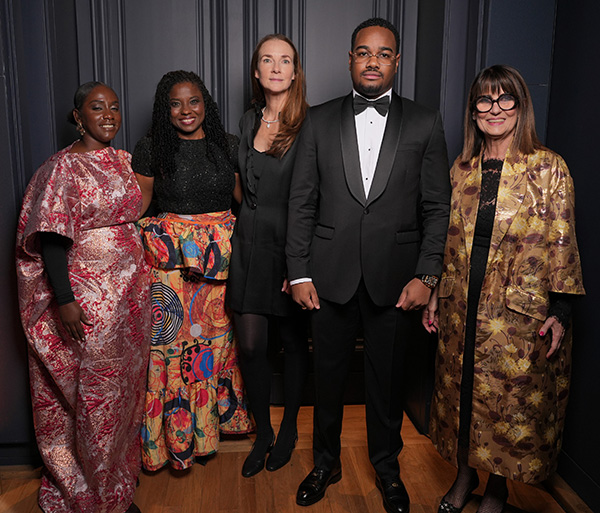
Top: Among the attendees at the Nov. 19 Paris dinner were (from l.) Debswana Diamond Co.’s Wanatsha Moakufi; Okavango Diamond Co.’s Sethunya Molosiwa; Valérie Baraban, France’s ambassador to Botswana; Koketso Marumo, a Botswana digital creator; and Debswana Diamond Co.’s Karabo Tlhabiwe. (Photos courtesy of the Diamond Collective)
- Subscribe to the JCK News Daily
- Subscribe to the JCK Special Report
- Follow JCK on Instagram: @jckmagazine
- Follow JCK on X: @jckmagazine
- Follow JCK on Facebook: @jckmagazine