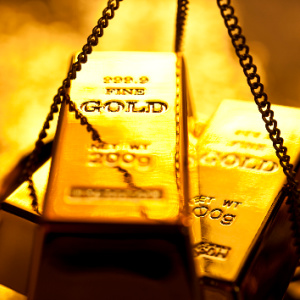
A New York Times investigation delivered an unsettling finding for the precious-metals market: The U.S. Mint reportedly has been buying gold that traces back to mines controlled by a major Colombian crime cartel and marketing it as “American.”
According to a story published April 26, the Mint has relied on a supply chain that allows illegally mined foreign gold to be laundered into legal status before being stamped into investment-grade coins, including American Eagles, despite a 1985 law barring the use of foreign gold.
The Times’ findings suggest that as gold prices approach historic highs, long-standing safeguards intended to keep criminal-linked metal out of official channels have eroded. For jewelers and retailers who depend on trust in the integrity of precious metals, the reporting is a jarring reminder that even origin claims backed by sovereign institutions may need closer scrutiny.
The Times reported that gold from cartel-controlled operations tied to Colombia’s Clan del Golfo enters the legal market through licensed local buyers, is exported with valid paperwork, and then refined in the U.S. alongside gold from other domestic and foreign sources. Once commingled, refiners and their customers often treat the metal as American in origin.
In its investigation, the newspaper found that the Mint had not conducted detailed source checks for decades and had accepted assurances from suppliers that foreign gold was offset by purchases of U.S.-mined gold—a practice that federal auditors have said may violate the law.
The implications extend well beyond compliance. The Times described how illegal mining linked to organized crime fuels environmental destruction, mercury pollution, and violence, while profits from gold support criminal groups designated by the U.S. government as terrorist organizations.
Treasury Secretary Scott Bessent told the newspaper that his department would review the Mint’s procurement practices, emphasizing the need to “safeguard our national security and uphold market integrity.”
On April 27, the Times published a related investigation asserting that Canada’s Royal Canadian Mint has also refined gold connected to cartel-controlled mining in Colombia. The Canadian Mint has long promoted its gold as fully traceable and ethically sourced, telling buyers it does not handle metal linked to “illegitimate nonstate armed groups.” Yet the newspaper reported that some of the gold refined by the Mint originated in Colombia’s Antioquia region, where the Clan del Golfo has well-documented involvement in gold mining.
Together, the two investigations underscore how easily illicit gold can be absorbed into the legitimate market—and into government-backed products—through legal but permissive systems of commingling and classification. As governments now promise to review purchase practices, it’s an open question whether higher gold prices will force tighter oversight across the supply chain—or whether, as the Times put it, questionable gold will continue to “melt away” into the mainstream.
(Photo: Getty Images)
The JCK News Desk uses AI to help research and produce the first draft of articles. This story was then reviewed by staff writer David Blomquist.
- Subscribe to the JCK News Daily
- Subscribe to the JCK Special Report
- Follow JCK on Instagram: @jckmagazine
- Follow JCK on X: @jckmagazine
- Follow JCK on Facebook: @jckmagazine