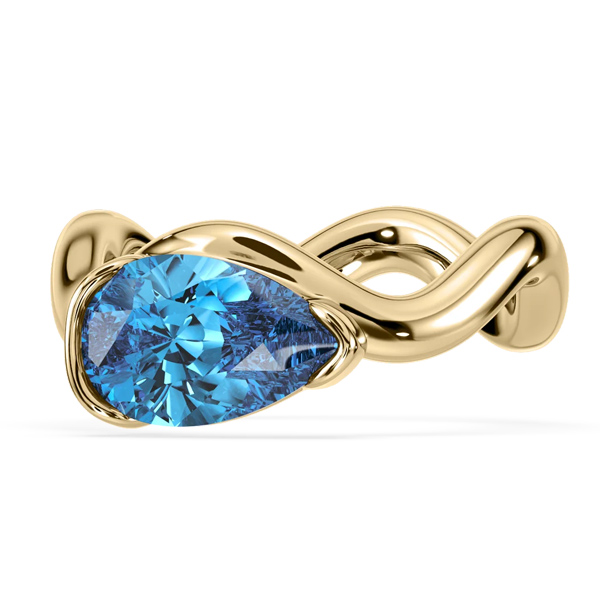
Over the years, the jewelry industry has gotten more comfortable with the idea of women buying jewelry for themselves. But Sette founder Isabel Calvert thinks there’s another habit retailers may need to unlearn: the idea that she still needs an occasion to do it.
“She’s buying for a promotion, or because something big happened and she wants to mark the moment, which is an important part of the business,” Calvert says. “However, the Coquette pinky ring is a treat to yourself. It isn’t always about marking a moment. Sometimes you just buy something because you like it.”
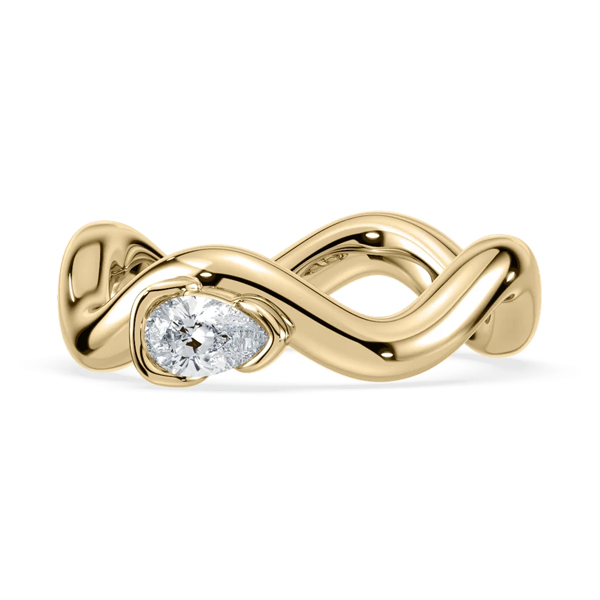
That distinction has become central to Sette, the lab-grown diamond jewelry brand Calvert initially expected would have a much larger bridal component. Instead, customers began taking the kinds of sizable solitaires traditionally associated with engagement and putting them on pinkies and pointer fingers, with nary a wedding in sight.
That’s where the brand’s “Every finger is a ring finger” philosophy came from.
“My designs were cool enough that women wanted to wear them on their middle fingers and their pointer fingers, and at that time, no one was doing a big lab diamond solitaire that wasn’t for engagement,” says Calvert.
Her previous experience as a fine jewelry merchant informs how she approaches the assortment, but Sette’s customer is now doing plenty of the teaching.
Take size, for example. Calvert initially debuted the Coquette pinky ring with a small lab-grown diamond. When she introduced a 1 ct. version, she says she heard concerns that it was too large and should remain dainty. “Now some people consider 1 carat small,” she says. “Lab diamonds have shifted our perspective on what’s big and what’s small, and what we should be wearing on our pinkies and our fingers in general.”
That shift extends far beyond rings. Calvert says customers are moving away from the layers of ultra-dainty jewelry that dominated the market for years in favor of chunkier silhouettes, bigger stones, and more distinctive combinations. Sterling silver has become more important to Sette, while lab-grown diamonds have opened up proportions that once would have been difficult for many shoppers to justify. “I have women asking me for 5-carat lab diamond earrings, 10 carats total weight,” she says. “That would not have happened even four years ago.”
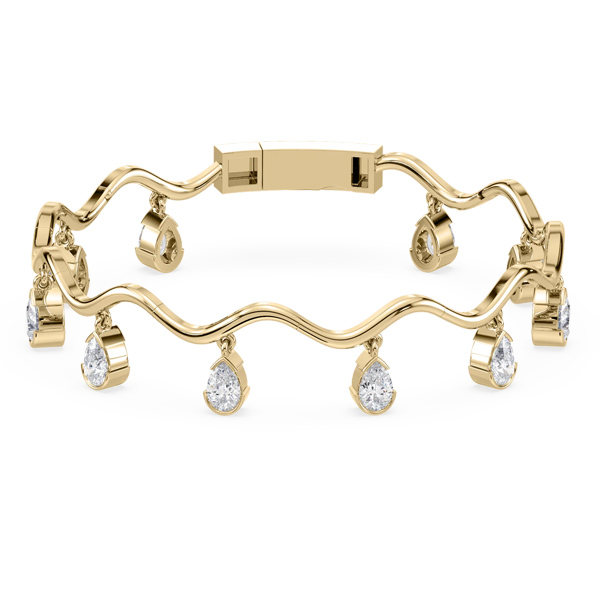
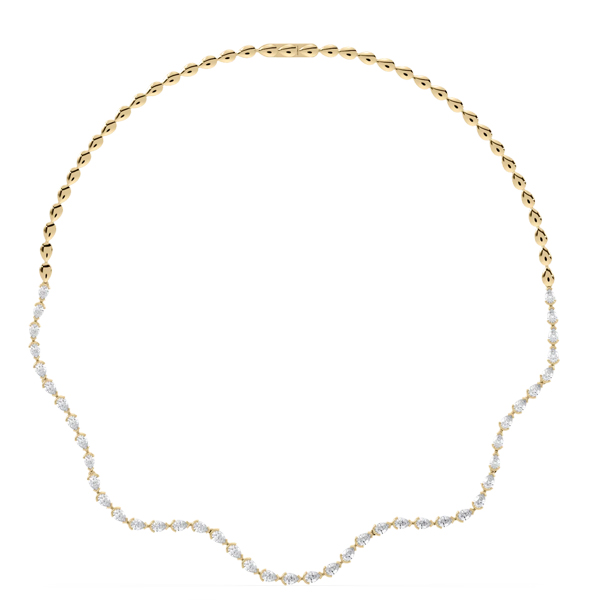
Fancy shapes are part of the equation, too. Improved availability means shoppers can build collections around more than round diamonds, Calvert says, changing the role of familiar staples like the tennis bracelet. “Now you don’t just need one tennis bracelet,” she says. “You need a round, a pear, a marquise, or an emerald, because every shape gives you a different kind of sparkle and energy. It’s not just about size anymore; it’s shape and style.”
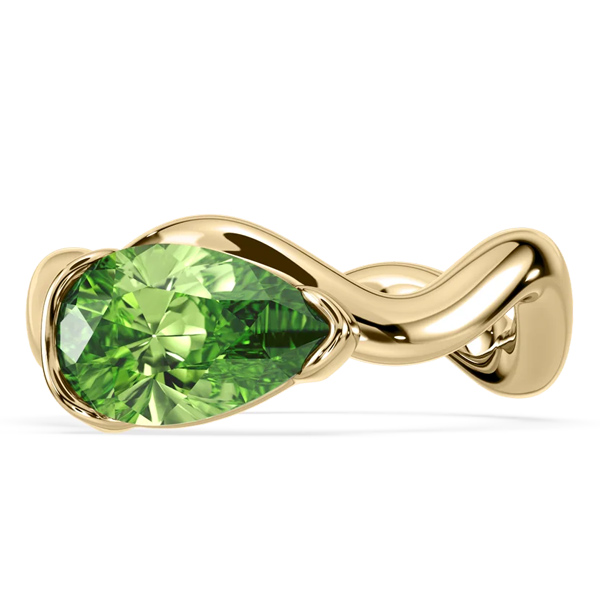
And one more thing—color. Sette’s green lab-grown diamond Coquette ring, introduced earlier this summer, is already outperforming the brand’s yellow and pink versions, according to Calvert. “We’ve been living in a white diamond world for so long that it’s exciting to see color back in play,” she says. “My client is more adventurous than most. She’s ready to rock a fun, loud color, she’s mixing colors within her stack, and she doesn’t want all of the basics.”
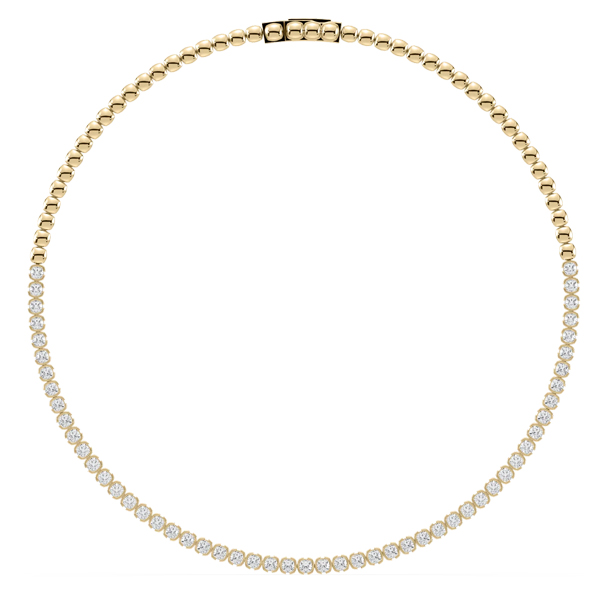
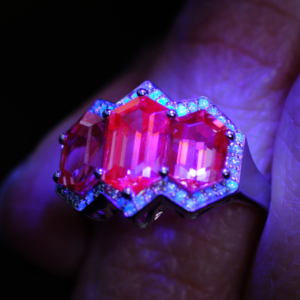
The most interesting part of that behavior might be how customers build those collections. Sette shoppers rarely purchase an entire look in a single sitting, Calvert says. Instead, they might start with the Coquette ring or one of the Muse designs—which reinterpret the tennis jewelry basic using cushion-cut lab diamonds and half-bezel settings—then return for another piece weeks later. “It’s collecting over time, because you like it,” she says.
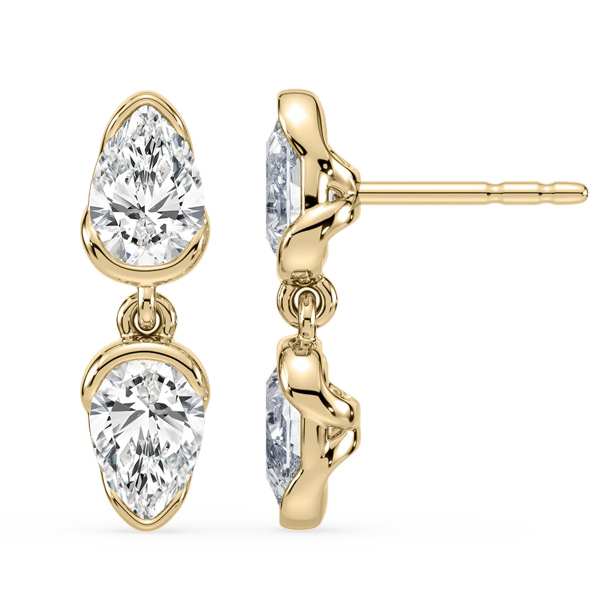
Earrings are particularly strong repeat purchases because customers want different options for different outfits, rather than one pair positioned as the universal everyday earring. That buying pattern has also shaped Calvert’s approach to price: She intentionally designs products below $2,500 and added sterling silver to give online customers a lower-commitment way into the brand. “I design for my client, not for me, and that’s the merchant coming out,” she says. “I know we need price points under $2,500, so it’s on me to design at that level without giving up quality.”
Her assortment is intentionally tight as well. “At Sette, every piece has a purpose, and when two pieces are doing the same job, I look at both, decide which one does it better, and cut the other.” That merchant discipline gets particularly interesting when the conversation turns to independent jewelers and lab-grown diamonds.
Calvert says she still encounters boutique retailers reluctant to bring in lab-grown product because they worry about protecting their natural diamond business. She understands the concern, but argues that avoiding the category doesn’t necessarily keep those dollars in the store. “I strongly feel they’re giving that customer away, because she’s going to buy lab somewhere else,” she says.
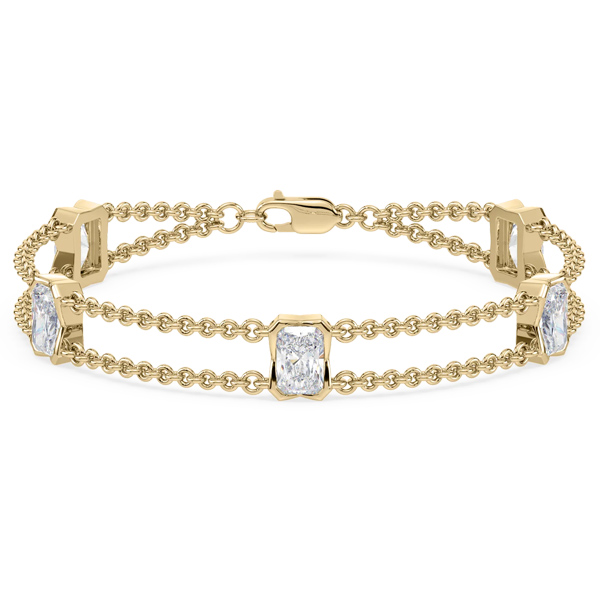
Her experience with Sette customers also challenges the idea that lab-grown automatically means a lower spend. “My client isn’t spending less on jewelry, she’s getting more for what she spends,” Calvert says. “Before, she might have spent $50,000 a year on jewelry and walked away with one ring. Now she gets multiple pieces that still have a big presence, and she has a lot more fun with it.” As she puts it, the equation has shifted from simply price and size to price, size, and quantity.
Looking ahead, Calvert expects pinky rings to remain part of women’s jewelry wardrobes, with fancy shapes, color, and pears continuing to perform. She’s also watching texture heading into 2027, along with charms and other pieces customers can personalize and rearrange themselves. “All the old rules are gone,” she says.
Top: Coquette pinky ring in 18k yellow gold with 1 ct. lab-grown blue diamond, $2,000; Sette
- Subscribe to the JCK News Daily
- Subscribe to the JCK Special Report
- Follow JCK on Instagram: @jckmagazine
- Follow JCK on X: @jckmagazine
- Follow JCK on Facebook: @jckmagazine