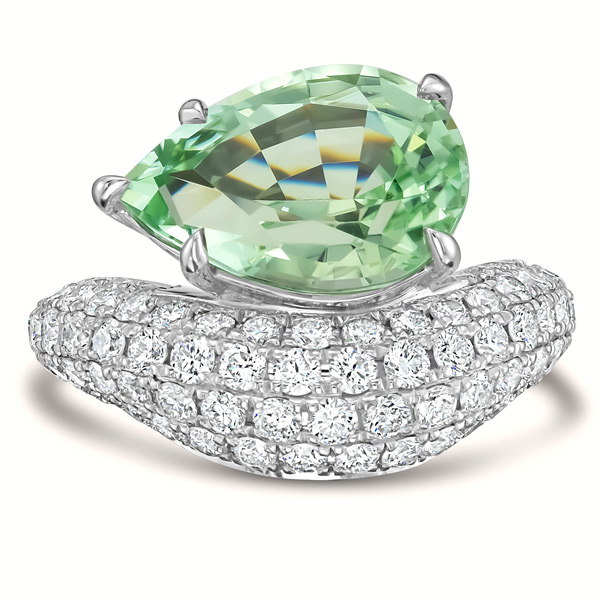
If the jewelry industry could choose a spirit gem for its current mood, tourmaline would make a pretty convincing candidate.
Yes, it happens to be one of October’s birthstones. But more importantly, tourmaline offers almost exactly what designers—and their customers—seem to want right now: color, individuality, unusual combinations, and permission to have a little fun.
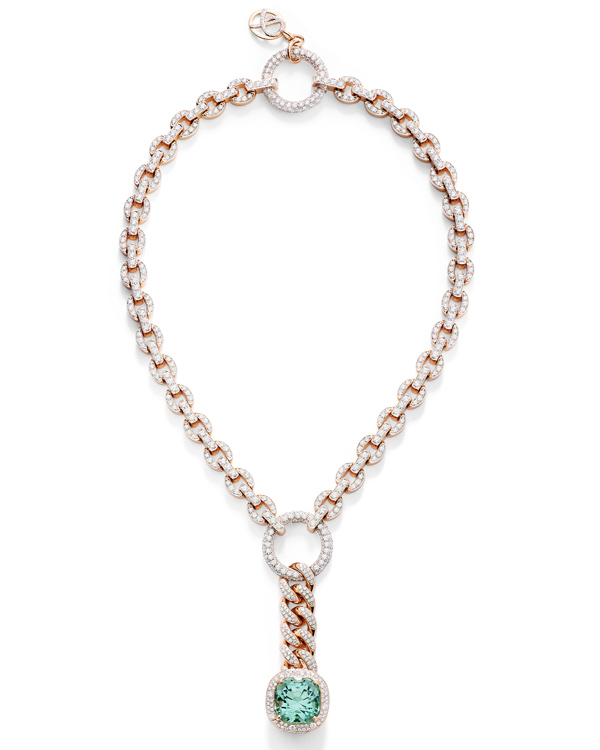
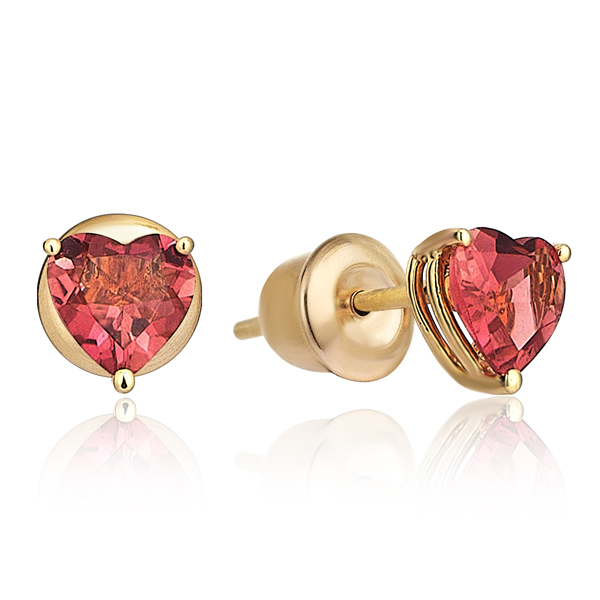
And color is selling. At JCK Las Vegas earlier this year, gemstone dealer Kimberly Collins declared, “Color has never been more hot in my 30-year career,” while retailer Danny Shaftel specifically cited growing customer interest in bicolor tourmaline. That tracks with fashion’s current anything-goes attitude toward color, where unexpected combinations and more expressive styling have replaced some of the rigid rules of seasons past. Tourmaline was basically built—er, grown—for this moment.
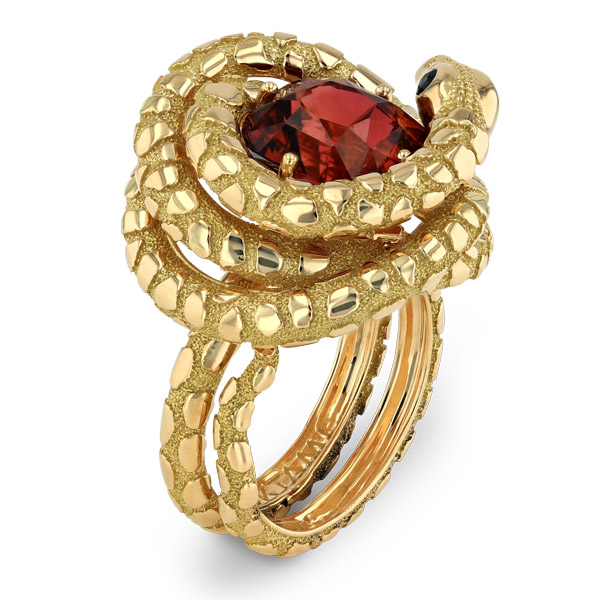
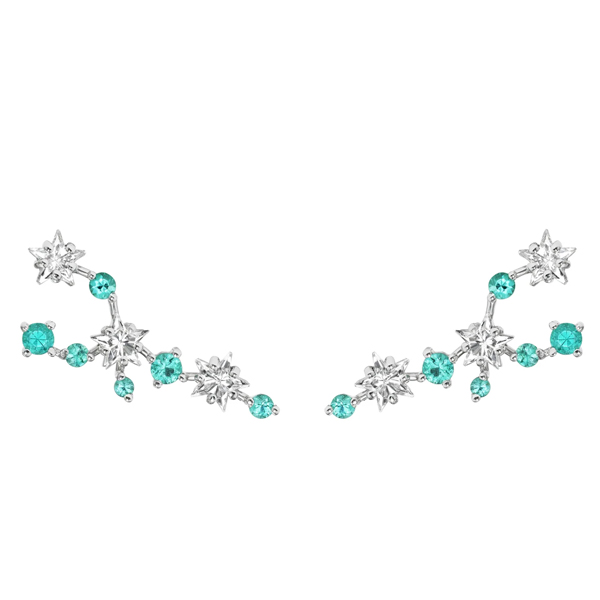
GIA’s description of tourmaline pegs it as having one of the broadest color ranges of any gem species, spanning virtually every hue. There’s juicy raspberry-to-red rubellite, blue and green indicolite, intense green chrome tourmaline, neon paraiba, and parti-colored stones that can combine two or even three colors in a single gem. Watermelon tourmaline, with its famous pink-and-green zoning, may be the most obvious proof that Mother Nature, too, enjoys her fair share of juicy color.
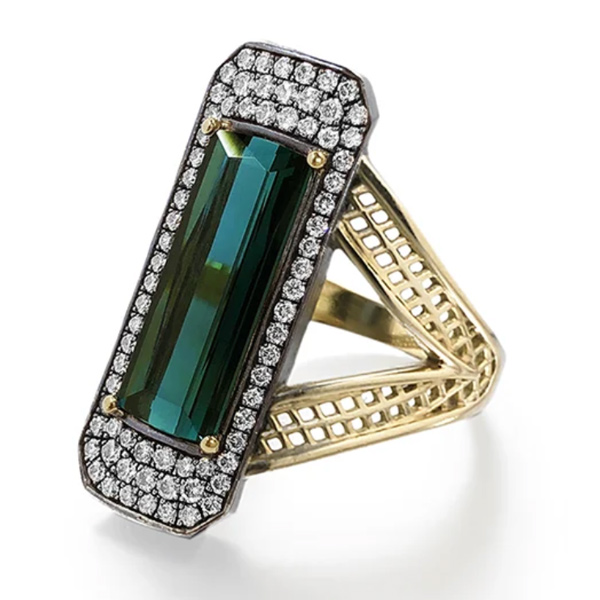
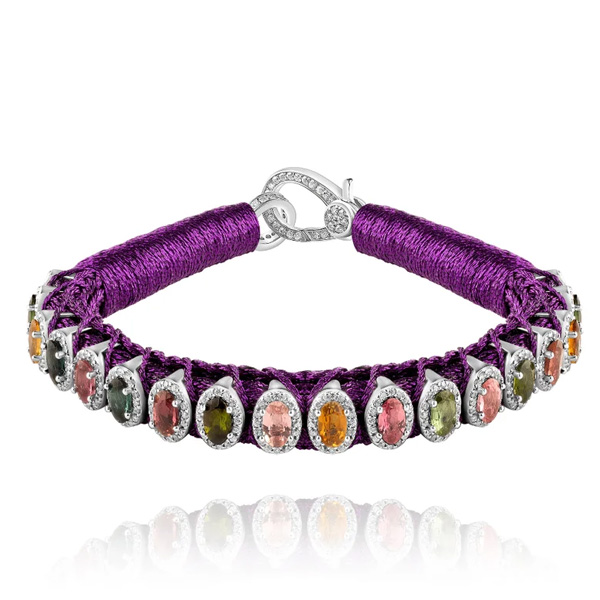
It’s that immense variety that makes tourmaline unusually easy to personalize, creating opportunity with a wide range of customers. Rather than asking a customer whether or not they like tourmaline, ask what color they like—there’s a stone for every response and then some.
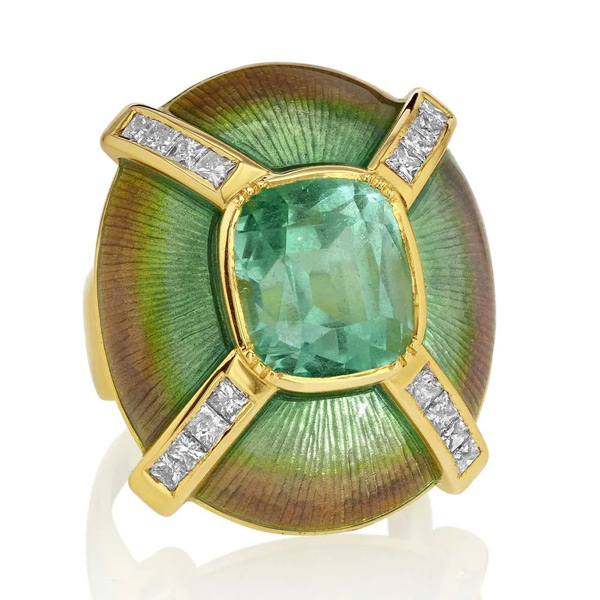
If it’s value they’re after, there’s a useful story here, too—but it requires some nuance. Tourmaline is not uniformly inexpensive. Fine Brazilian Paraiba sits at the rarefied end of the market and can rival far more traditionally prestigious gemstones in price. On the other hand, GIA notes that chrome tourmaline can offer a less costly alternative to tsavorite or emerald of comparable size, while tourmaline’s less-saturated and earthier colors can provide still more approachable options. More and more consumers seem driven by rarity and value, and tourmaline answers that call—but it can also pack a wallop in color and size without entering trophy gem territory.
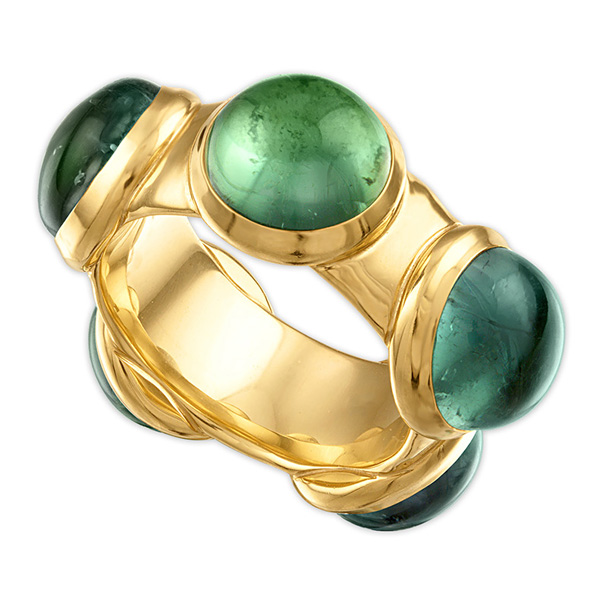
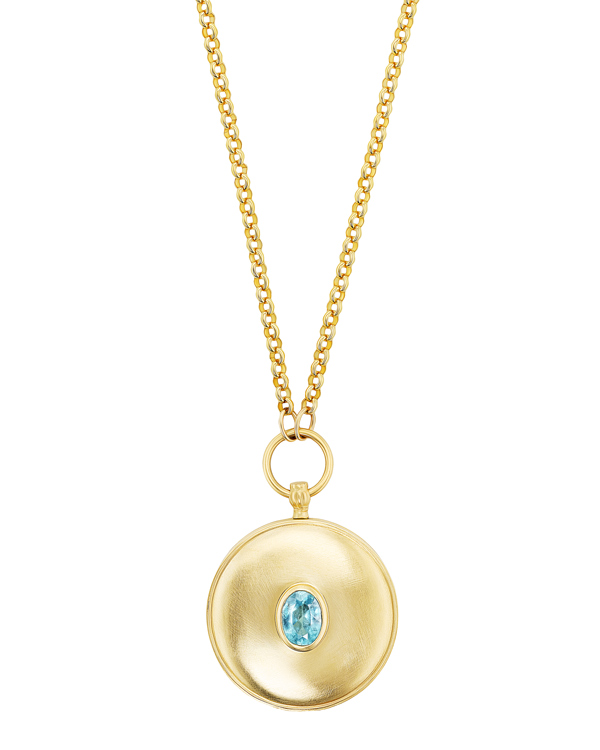
In terms of daily wear, tourmaline can handle that pretty well. A 7–7.5 on the Mohs scale, it should be treated with care but not necessarily babied. We don’t often see tourmalines at the center of engagement rings, but that’s not to say they couldn’t play that part, and they’re absolutely gorgeous in every other category—cocktail rings, earrings, bracelets, and necklaces of all styles and sizes, as demonstrated here.
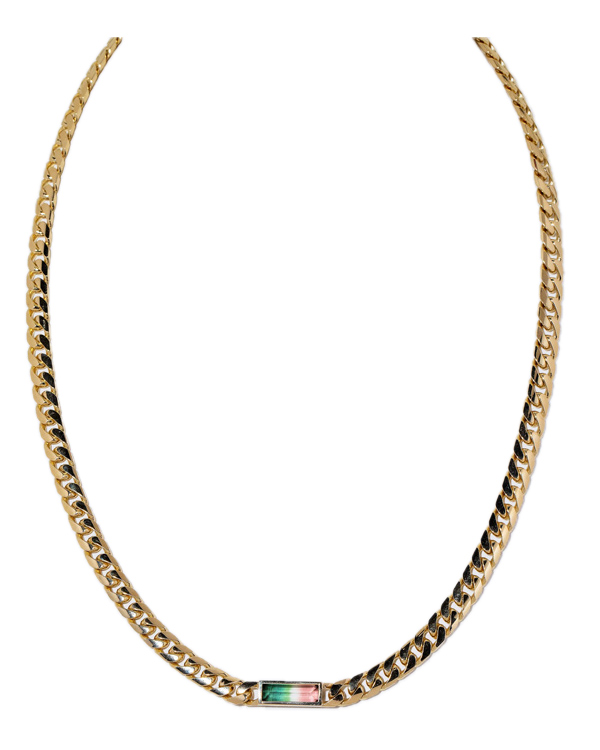
But perhaps the most wonderful thing about tourmaline is its ability to just be what it is. A customer needn’t choose the “correct” color gem, because there really isn’t one. And for an industry currently enamored with mismatched stones, unexpected palettes, big personality, and jewelry that looks distinctly like the person wearing it, that may be tourmaline’s greatest selling point of all.
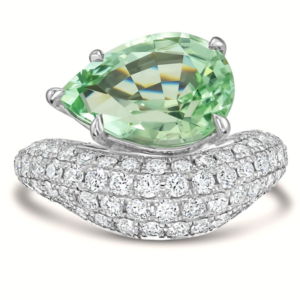
Top: Maria ring in 14k white gold with 4.67 ct. mint green tourmaline and 2.51 cts. t.w. diamonds, $26,000; Isabel Delgado
- Subscribe to the JCK News Daily
- Subscribe to the JCK Special Report
- Follow JCK on Instagram: @jckmagazine
- Follow JCK on X: @jckmagazine
- Follow JCK on Facebook: @jckmagazine