With the holiday season fast approaching, JCK checked in with a New York City retailer, a Dallas luxury jeweler, and a digital strategist who works exclusively with jewelers to see where gold jewelry demand is headed.
Charm offensive
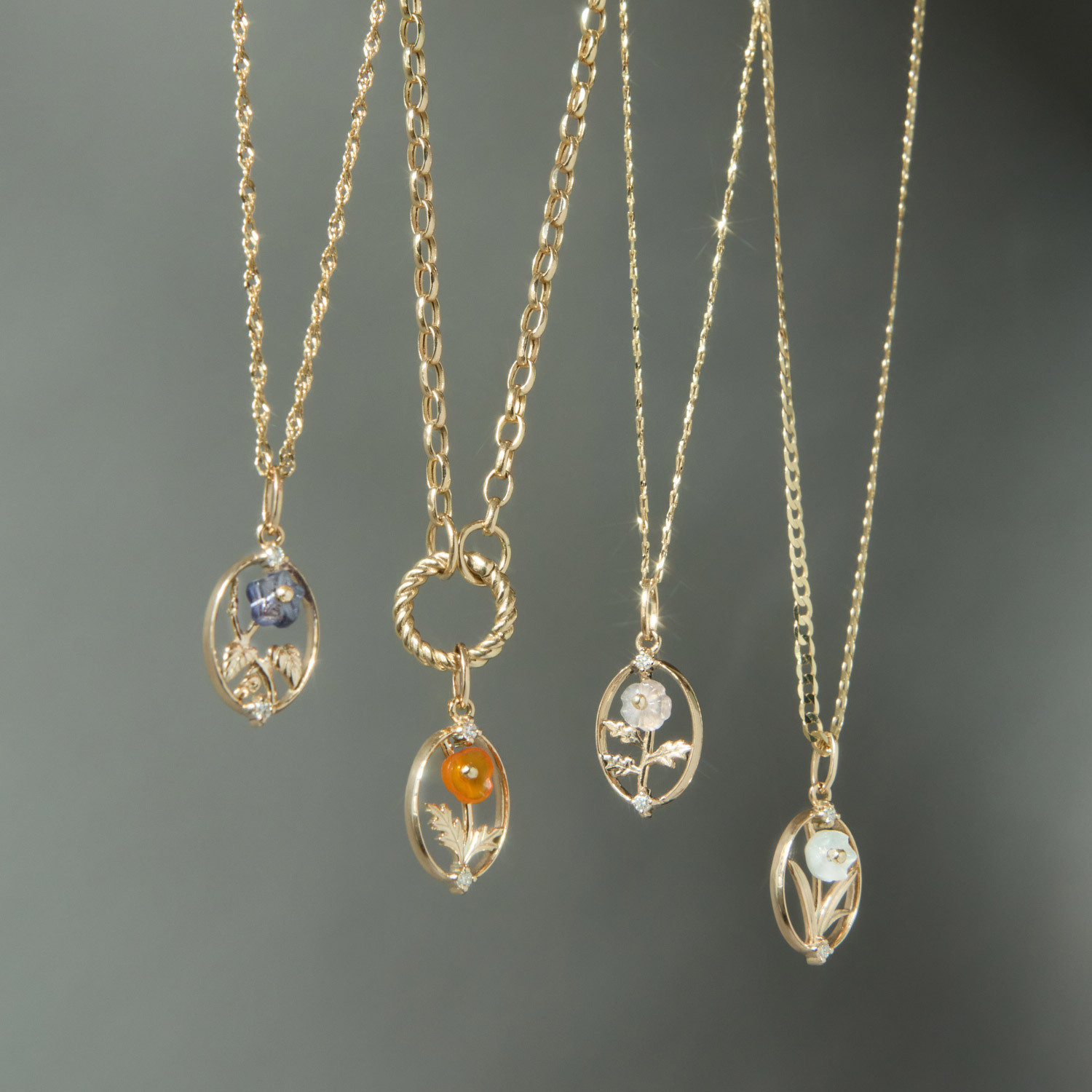
Leigh Batnick Plessner, chief creative officer of Brooklyn-based Catbird, says the company has built a loyal following on delicate, everyday gold.
“Holiday always feels like the perfect opportunity to lean into a little magic,” she says.
At Catbird, that magic often translates into gold pieces that feel like modern heirlooms. Think charms with a sense of personality, sculptural rings, and delicate chains you never take off, Plessner says.

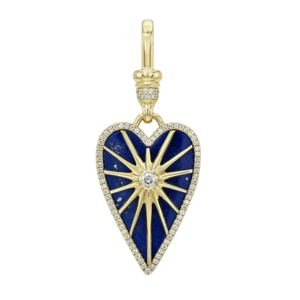
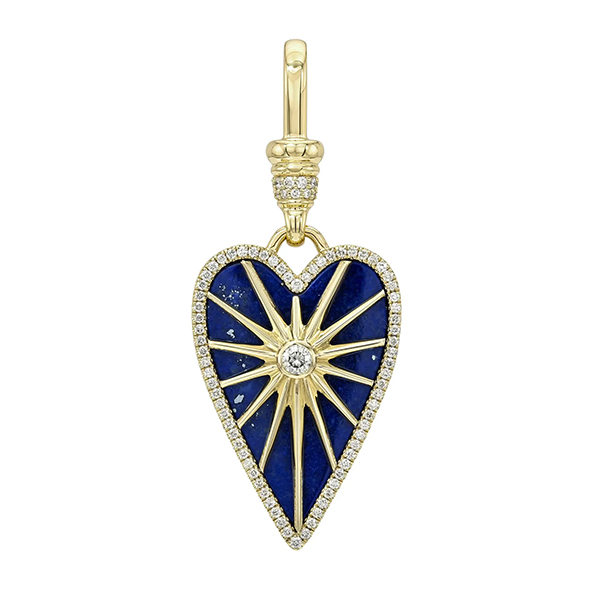
Charms are on the holiday list in Texas, too. Richard Eiseman, CEO of Eiseman Jewels at NorthPark Center in Dallas, is spotlighting new additions for the holidays: Rahaminov Diamonds, Mark Henry jewelry, and the store’s own Expressions collection of charms and pendants.
The permanence of yellow gold
When asked about which styles may have fallen out of fashion, Plessner says gold jewelry simply has a much longer lifespan than a mere trend.
“We’re always moving toward pieces with more permanence and emotion, things you live in rather than wear for a season. If something feels deeply personal, it always finds its way back,” she says.
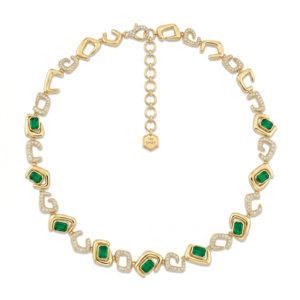
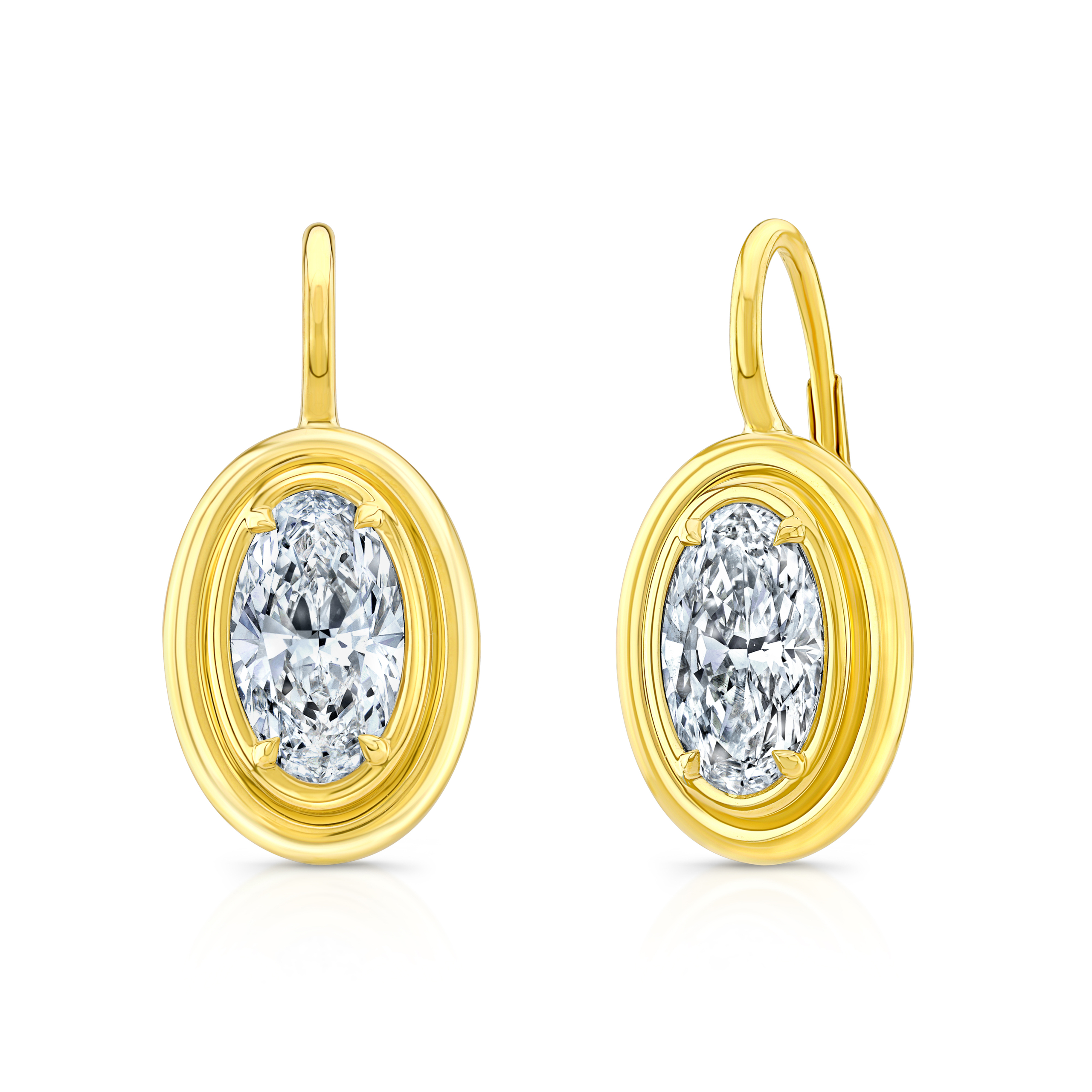
Asked about yellow gold in particular, Eiseman says it’s in strong demand and remains a hallmark of his clients’ preferences. “While other markets may gravitate more toward white or rose gold, our clients are consistently drawn to the warmth, timelessness, and versatility of yellow gold,” he says.
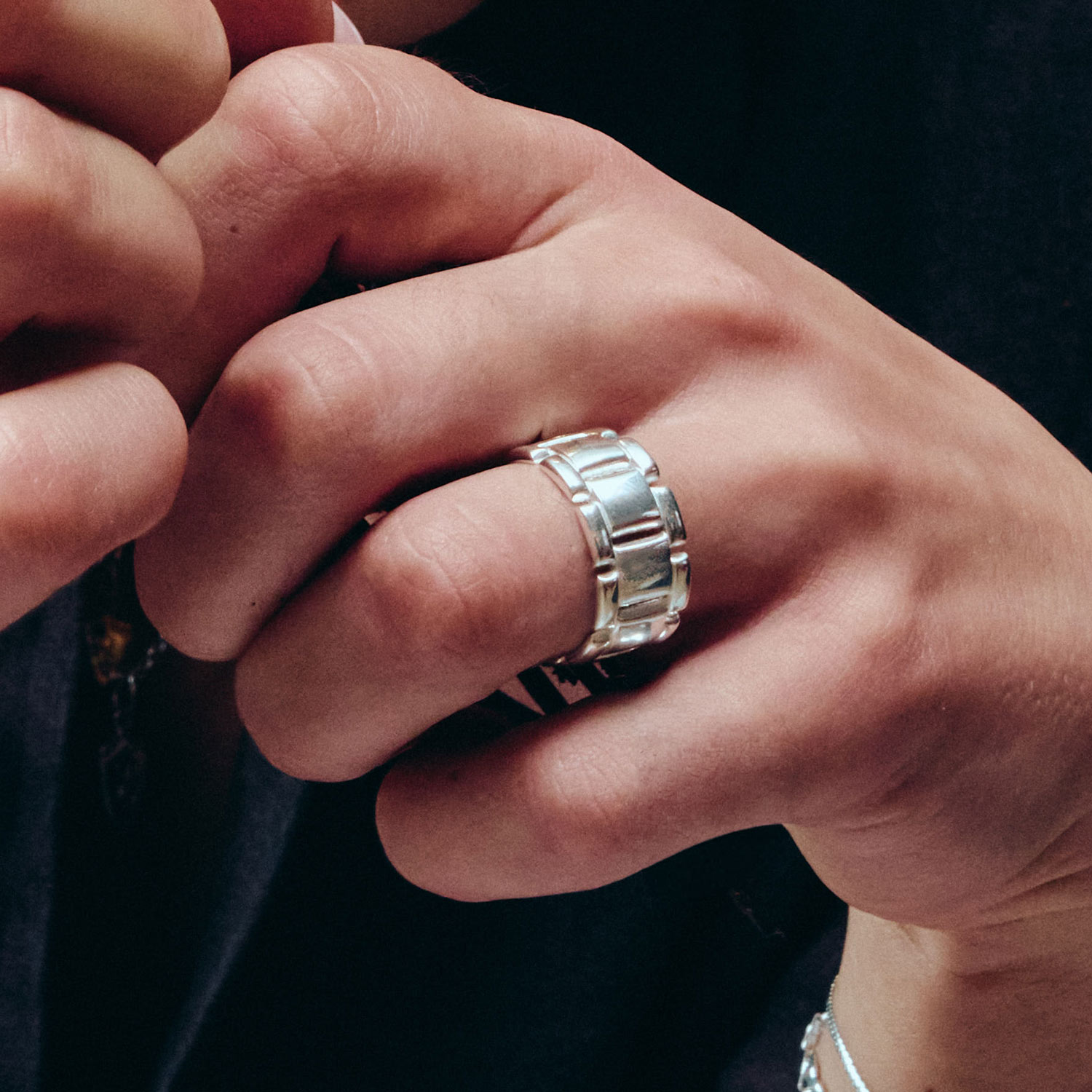
At Catbird, there’s a mix of interest among the metals, which is something the company leans into.
“Gold has a warmth that feels sunlit and sentimental; silver has a cool, almost moonlit clarity,” Plessner says. “Many of our customers wear both together, which I love.”
Search data suggests shoppers are open to both.
Sohail Dewani, founder of Jewelers League, an e-commerce agency that works exclusively with jewelry businesses, stays on top of trends across the internet. He points to U.S. Google Trends data for September, which indicate searches for “gold jewelry” are approximately where they were a year ago, while “silver jewelry” searches are up by about a third.
The focus on timeless styles means even more this year, with gold prices at historic highs (if not quite at the $5,600 peak gold reached in January).
Eiseman says the store works closely with its brand partners to keep pricing manageable. “While clients are increasingly aware of market conditions, they continue to prioritize quality, timelessness, and pieces that hold lasting personal significance,” he says.
Reading the signals
Even so, shoppers are expected to adjust their spending this season. A recent McKinsey survey found that 43% of consumers plan to spend less on jewelry this holiday. And the World Gold Council reports that U.S. buyers are already “favoring lighter-weight and lower-carat products.”
For Dewani, the question is less focused on what shoppers are buying than on where and how they begin their searches for jewelry online. He cites Adobe, the company known for its creative and publishing software, which runs an analytics platform that tracks traffic to retail sites. It found that visits to U.S. retail sites from generative AI tools jumped 693% during the 2025 holiday season.
If this holiday season is anything like last year’s, the impact of AI on retail searches will be stark. Search engines themselves increasingly work like AI chatbots, and it’s getting harder for everyone to distinguish between the two.
Still, Dewani’s own search experiment ended somewhere familiar: a jewelry store. Posing as a Chicago shopper, he asked ChatGPT where to buy his wife a gold necklace for about $500. It named independents on Jewelers Row and picked one “because that store lists its prices online.”
“That’s one test, so I wouldn’t read too much into it,” he says. “But I’d tell any jeweler to try the same thing on their own store.”
His bottom line: “The buyer has to be able to find the piece and see the price online.”
Still, being found is only the start. A chatbot can make the introduction, but it can’t close the sale. It also has no ability to fasten a chain at the back of someone’s neck or see the look on a customer’s face when the right jewel catches their eye. It can’t hear the story behind the gift. That still oftentimes happens the old-fashioned way: across the counter, face to face.
Top: A lapis lazuli 14k yellow gold and diamond heart charm, Eiseman Jewels
- Subscribe to the JCK News Daily
- Subscribe to the JCK Special Report
- Follow JCK on Instagram: @jckmagazine
- Follow JCK on X: @jckmagazine
- Follow JCK on Facebook: @jckmagazine