Ancient Egypt has long been a source of inspiration for jewelry designers, and for good reason. While humans have been adorning themselves with jewelry for well over 100,000 years, the Egyptians were among the first to elevate it into an art form.
One doesn’t need to be an Egyptologist to recognize the civilization’s enduring jewelry motifs: scarab beetles, the Eye of Horus, the ankh, and the uraeus, all brought to life through remarkably sophisticated goldsmithing and richly colored materials like turquoise, lapis lazuli, and carnelian. From museum exhibitions to Hollywood films, the visual language of ancient Egyptian jewelry has become instantly recognizable.
For Emirati fine jeweler Noora Shawqi, the inspiration came from a visit to the country itself. Her latest collection, The Nile, draws on themes of protection, presence, and quiet power, translating the symbolism of ancient Egypt into contemporary 18k gold and diamond jewels.
The collection of rings, earrings, necklaces, and bracelets is available in 18k yellow, white, and rose gold, set with natural diamonds; retail prices range from approximately $2,050 up to $14,500. The collection is available on the brand’s website, and currently through select retail partners in the Middle East.
Here, Shawqi speaks with JCK about reimagining ancient Egyptian iconography, designing through travel, why consumers are gravitating toward jewelry with cultural narratives, and what retailers should know about The Nile collection.
The Nile Collection is rooted in ancient Egyptian symbolism, but it feels distinctly contemporary. How did you decide which historical references to reinterpret?
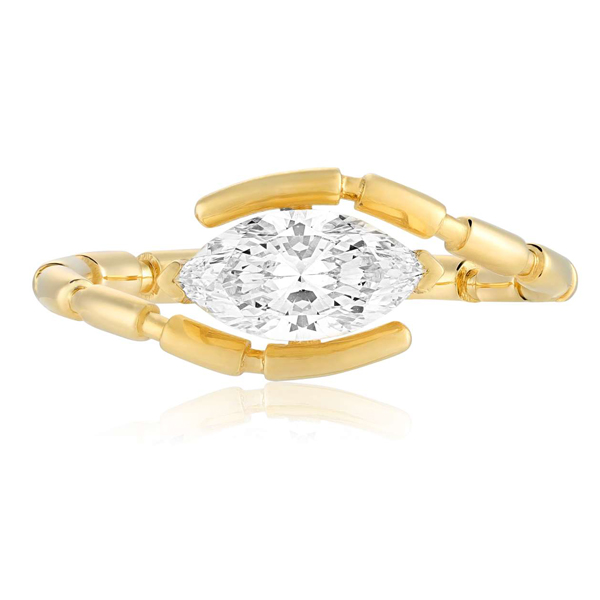
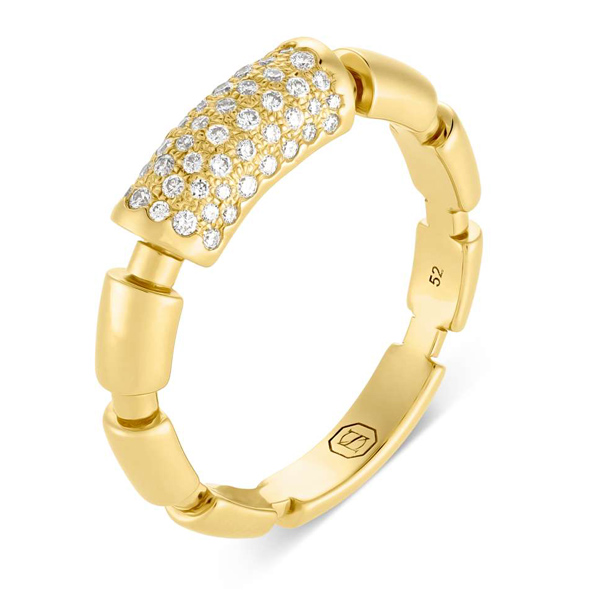
I wanted to preserve the meaning behind the symbols rather than reproduce them literally. The cobra, particularly the uraeus, held such powerful significance in ancient Egypt as an emblem of protection, awareness, and authority. Those ideas became the emotional foundation of the collection. What I reinterpreted was the physical expression of that symbolism. I focused on the cobra’s fluid curvature and sense of movement. The Nile itself became another important reference, expressed through pavé diamonds that evoke the movement and continuity of water.
Many people associate Egyptian-inspired jewelry with bold, literal motifs. How did you ensure these pieces felt modern rather than costume-inspired?
Restraint was very important throughout the design process. Rather than re-creating recognizable Egyptian motifs, I reduced each reference to its essential form, movement, and meaning.
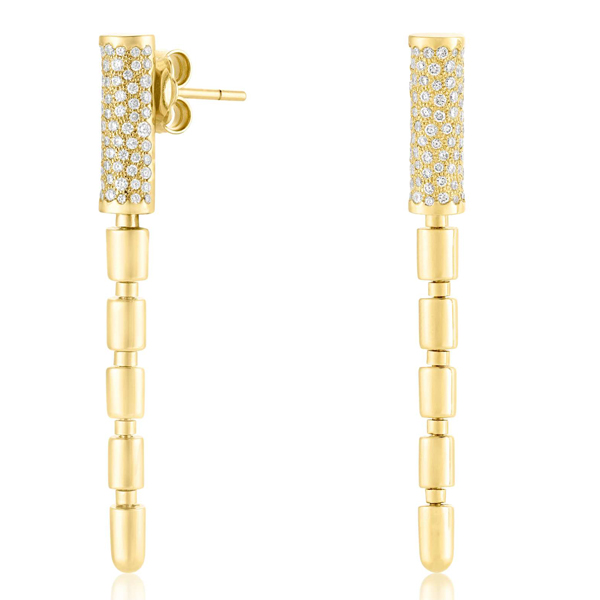
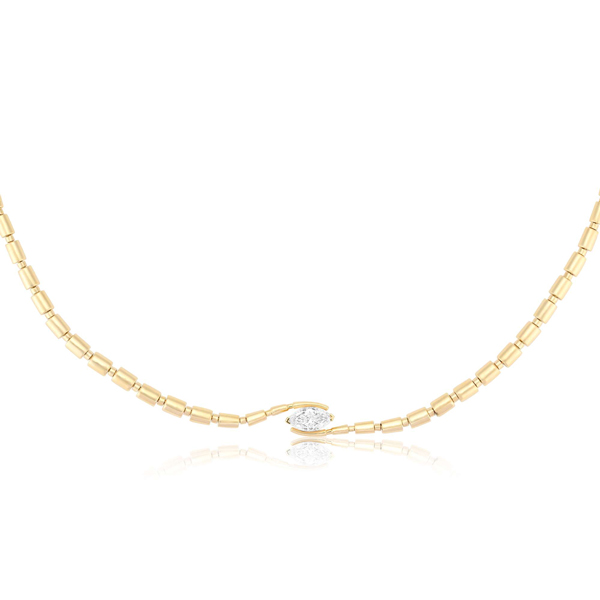
The cobra is suggested through fluid curves and sculptural silhouettes, while the Nile is reflected through rhythm, continuity, and light. Working in 18k gold with precise diamond and pavé settings also allowed the pieces to retain a strong presence while remaining refined and wearable. Each design can stand alone or be layered, which gives the collection versatility and makes it feel relevant to the way women wear fine jewelry today.
Do you sketch or take notes while you’re traveling, or does the design process begin after you’ve returned home?
I usually begin the process while I’m traveling. I take close-up photographs of details that capture my attention and that I feel could become something in jewelry, whether it’s a texture, a shape, or an architectural element. If a design comes to mind in the moment, I’ll sketch it, but most of the development happens once I’m back home. That’s when I refine the ideas and begin translating those initial impressions into a collection.
We’re seeing more designers draw inspiration from history and mythology. Why do you think consumers are gravitating toward jewelry with deeper cultural narratives?
I think people increasingly want to understand the meaning behind what they wear. Fine jewelry is deeply personal, and a cultural or historical narrative allows a piece to become more than something purely decorative. It creates an emotional connection and gives the wearer a story they can relate to, interpret, and eventually make their own.
We are surrounded by so much visual information and so many passing trends that objects with depth and permanence feel especially meaningful. History and mythology offer universal ideas such as protection, strength, identity, and transformation. When those ideas are approached thoughtfully and translated into contemporary design, they can feel both timeless and very relevant to the present.
What are the key selling points retailers should communicate to customers when introducing The Nile Collection?
The Nile Collection combines storytelling with everyday wearability. While rooted in ancient Egyptian heritage, the pieces are refined rather than literal, designed to be worn individually or layered for both everyday wear and special occasions. Crafted in 18k gold and diamonds, the collection maintains a cohesive aesthetic while offering a range of styles, gold colors, and price points.
Each of your collections is inspired by a destination you’ve visited. Do you already know where your next journey, and your next collection, will take you?
Not yet. I prefer to allow each journey to unfold naturally rather than choose a destination solely with a collection in mind. The places that inspire me most are usually those that leave a lasting emotional and visual impression. When I feel that connection, the beginnings of a collection gradually emerge.
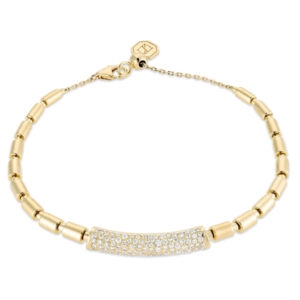
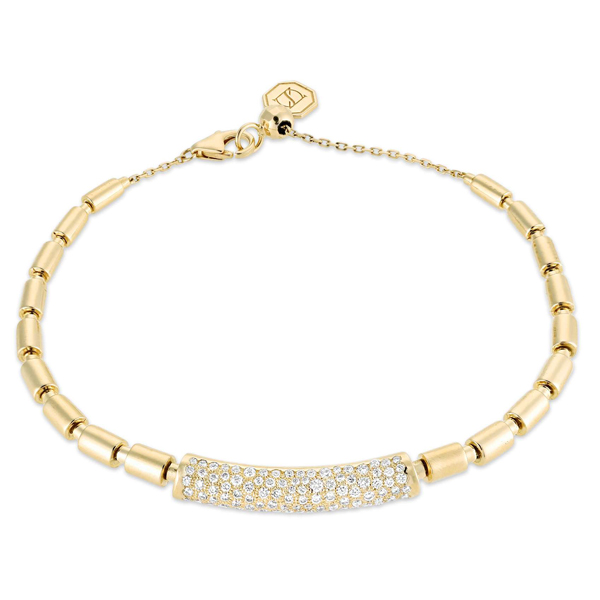
Top: Iteru bracelet in 18k yellow gold with 0.75 ct. t.w. diamonds, $4,766; Noora Shawqi
- Subscribe to the JCK News Daily
- Subscribe to the JCK Special Report
- Follow JCK on Instagram: @jckmagazine
- Follow JCK on X: @jckmagazine
- Follow JCK on Facebook: @jckmagazine