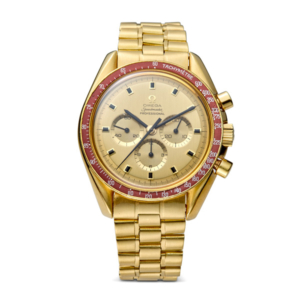

One of the most striking things about the metals market this year is the degree to which the traditional pricing relationship between platinum and gold has done a complete 180. For decades, gold was considered a value purchase compared with the precious white metal, whose price peaked at $2,276 per ounce in March 2008. That same month, gold cost around $1,000.
What a difference 17 years makes!
This fall, gold broke the $4,000-per-ounce barrier and now seems to be hovering around that mark. Platinum, on the other hand, remains in the $1,600 range.
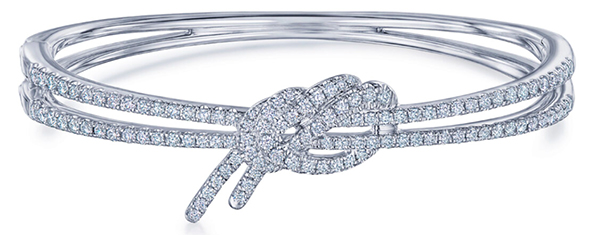
For retailers, there’s never been a better time to transition their white gold inventory into platinum. “If it’s yellow, it’s yellow, but if it’s white, it should be platinum,” Jenny Luker, president of Platinum Guild International (PGI) USA, tells JCK.

On a recent call, Luker highlighted three opportunities for retailers and designers keen to explore platinum this season.
The Promise of Platinum Born
Platinum Born, a brand of accessibly priced, fashion-forward platinum designs manufactured in Japan and distributed exclusively by Suna Bros., is unique in the marketplace.
“The most important thing for retailers to know is that this product is like nothing else they have,” Luker says. “If they’re looking for a differentiated product to share with their customers, this is it.”
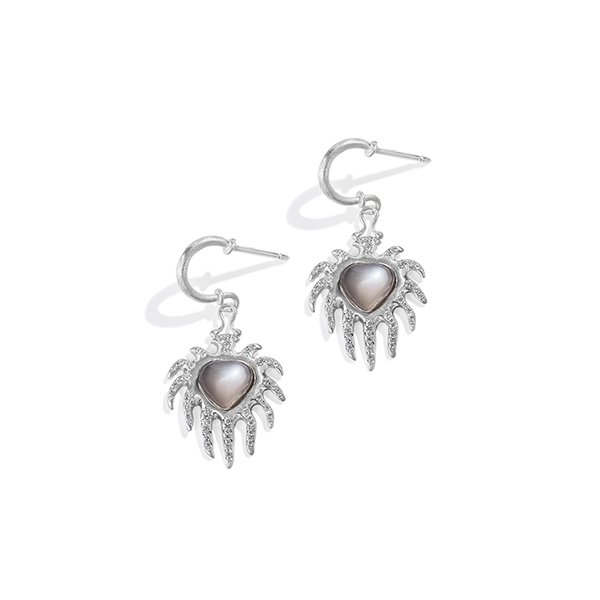
The range of styles includes necklaces, earrings, ear cuffs, rings, and bracelets rendered almost exclusively in platinum (the Debut collection, which features freshwater pearls, is the exception). And with white metals, from silver to platinum, poised to grow in popularity thanks to this fall’s resurging interest in geometric and deco-inspired designs, it’s the perfect moment to double down on platinum fashion styles.
A Three-Ring Focus
PGI is embarking on a big push to encourage consumers to buy platinum wedding bands after the purchase of a platinum engagement ring.
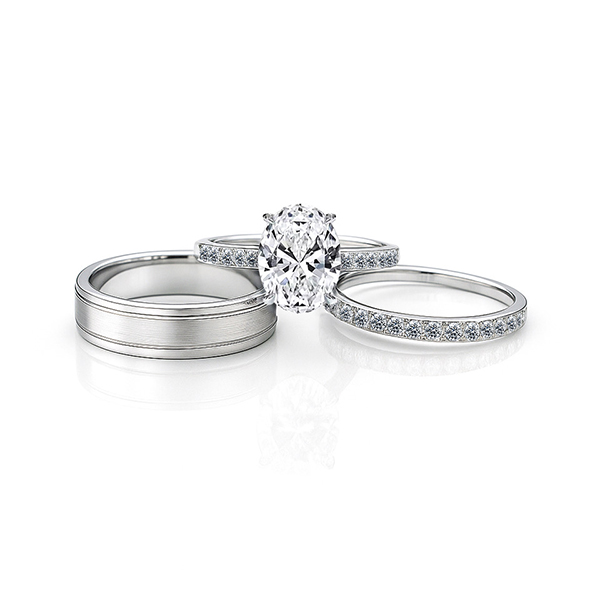
“From a retail point of view, we know so many customers are buying engagement rings from one store and buying their bands somewhere else,” Luker says. “We’re going to be talking about the importance of buying all three at the same place. As an industry we have tended to focus so much on the engagement ring, but you’re literally getting two more purchases potentially and with the vogue for stacking, you could sell even more rings.”
The takeaway for retailers, says Luker: Strike while the iron is hot!
“It’s important to provide customers with education not only about the engagement ring settings, but also the wedding bands at the time of purchase,” she says.
Platinum Education and Design
Over the past five years, PGI has made a concerted effort to work with jewelry design programs around the country on fostering familiarity with platinum.
“We recognized that a lot of the schools did not teach platinum in their manufacturing courses mostly because they couldn’t access the product—it was too expensive,” Luker says. “Many younger designers haven’t been exposed to platinum.”
In 2020, PGI, together with Roland Krainz of Krainz Creations, helped establish a platinum curriculum and design competition at the Pratt Institute in Brooklyn, N.Y. “Students do a CAD design or drawing and a panel of judges selects the winning pieces,” Luker says. “And then, with Roland Krainz, we actually make the three winning pieces.”
As of 2023, the jewelry arts program at GIA also provides platinum education. Like the Pratt program, it’s designed to immerse students in what it takes to work in platinum—nurturing the next generation of designers so they become fluent in the metal’s unique possibilities.
Top: Debut Cascade necklace in platinum with brilliant-cut platinum beads and petite freshwater pearls, $2,800; Platinum Born
- Subscribe to the JCK News Daily
- Subscribe to the JCK Special Report
- Follow JCK on Instagram: @jckmagazine
- Follow JCK on X: @jckmagazine
- Follow JCK on Facebook: @jckmagazine