There was a time when “serious” fine jewelry tended to look, well, serious. Precious materials came with a certain visual vocabulary: diamonds, discreet color, classic silhouettes, perhaps something saved for an occasion worthy of wearing it.
Parisian designer Delphine Crech’Riou isn’t particularly interested in the jewelry that dominated that time.
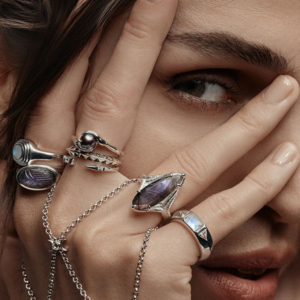
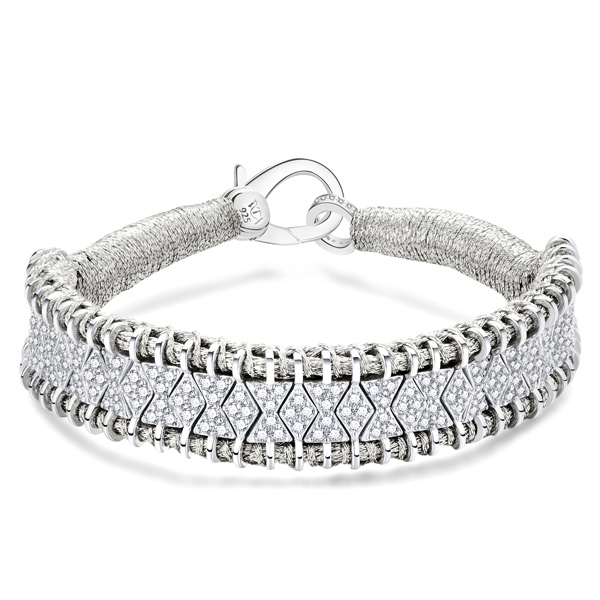
With Van Den Abeele, the fine jewelry house she introduced after cofounding bohemian accessories brand Hipanema, Crech’Riou mixes gold, diamonds, natural gemstones, and enamel in bright, often unexpected combinations. The pieces are made to last—a hallmark of “serious” fine jewelry, but they’re also intended to be worn with jeans, to the beach, alongside an inherited diamond bracelet, or piled next to a watch.
In other words, fine jewelry can be precious without feeling overly precious.
That philosophy grew in part from what Crech’Riou learned during her Hipanema years. “Women have a very emotional relationship with jewelry,” she says. “They don’t necessarily buy a piece because they need it—they buy it because it makes them feel something.”
She also learned not to underestimate a customer’s appetite for color. “Women are much more adventurous than we sometimes imagine, especially when a piece is easy to wear and can be combined with jewelry they already own.”
The fine jewelry customer may scrutinize craftsmanship, material, and longevity more closely, she says, but that doesn’t necessarily make her aesthetically conservative. “Once she understands the quality and value of the piece, I actually find that she can be incredibly playful,” says Crech’Riou. “She wants precious jewelry, but she doesn’t necessarily want precious jewelry to feel serious.”
That distinction is fundamental to Van Den Abeele, which takes its name from Crech’Riou’s family surname and is built around the idea of the modern heirloom. For the designer, though, “heirloom” has very little to do with making something look traditional.
“The jewelry we inherit is precious because it carries the personality and memories of the person who wore it,” she says. “Sometimes the most unusual pieces become the ones we treasure the most.”
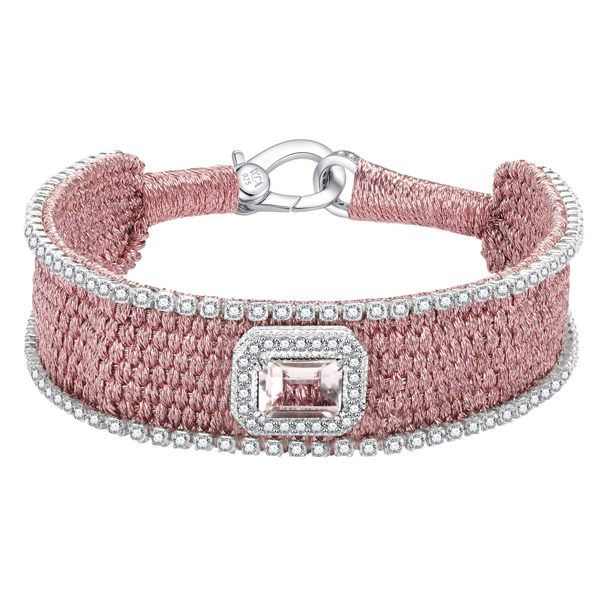
Her goal is for a woman to choose a jewel because it represents who she is now, wear it often, and perhaps eventually pass it along. “It doesn’t have to be conventional to become timeless,” Crech’Riou says. “In fact, I think personality is often what gives a piece longevity.”
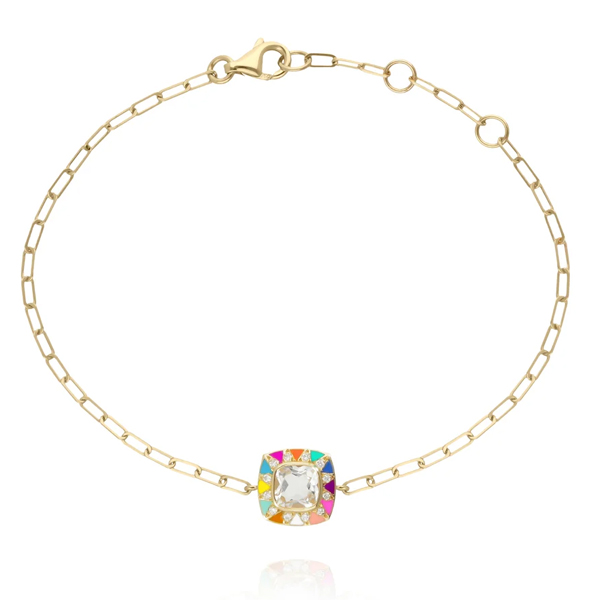
That might mean pairing a diamond with a less expected stone, treating a familiar jewelry shape in an unfamiliar way, or using enamel to push color somewhere gemstones alone couldn’t take it. “Enamel gives me an almost unlimited color palette,” says Crech’Riou. “It can make a diamond feel less formal, make a traditional setting suddenly feel contemporary, or create an unexpected contrast with a colored gemstone.”
That collision between precious and playful is intentional.
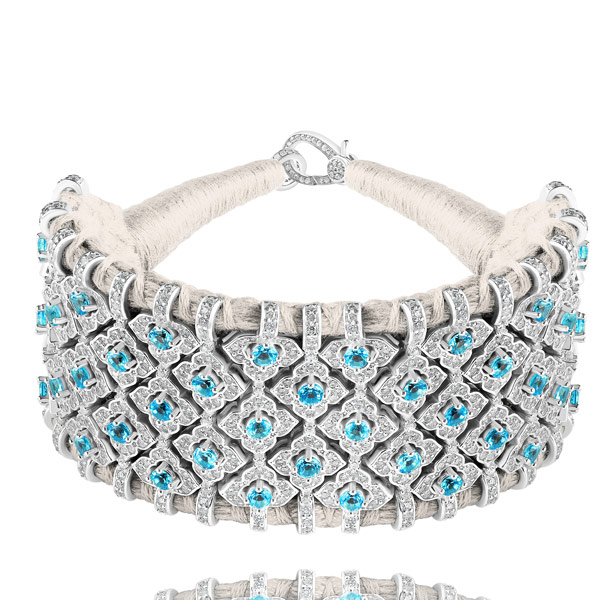
So far, clients have been particularly responsive to combinations of turquoise, green, blue, and pink, especially when diamonds are mixed in. Turquoise, Crech’Riou says, has become “almost a neutral” for the brand, while greens ranging from emerald tones to malachite and chrysoprase also have performed strongly.
What has surprised her most is not which colors customers choose, but how boldly they choose them. “Sometimes we develop a very bold combination thinking it might appeal to a smaller group of clients, and it becomes one of the first pieces to sell,” she says.
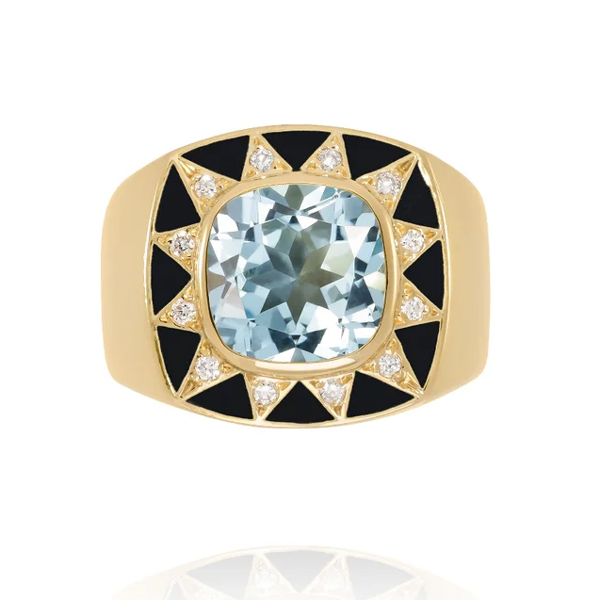
There’s a lesson in there for retailers, particularly those who may still equate a love of colorful jewelry with a less serious fine jewelry client. “They sometimes underestimate how sophisticated that customer is,” Crech’Riou says. “Loving color does not mean wanting something less precious or less refined. Quite the opposite.”
That customer may already own the diamond tennis bracelet, the important watch, the inherited jewel. What she wants next might be the thing that makes all of them feel less expected. “She may own very important classic jewelry already,” says Crech’Riou. “What she is looking for now is something that gives those pieces a new energy.”
Van Den Abeele designs with exactly that kind of mixing in mind. Bracelets and pendants are frequent first purchases, in part because they can slip easily into a jewelry wardrobe a customer has already built. “We don’t want to tell women they need an entire Van Den Abeele look,” Crech’Riou says. “We want our jewelry to enter their existing jewelry wardrobe naturally.”
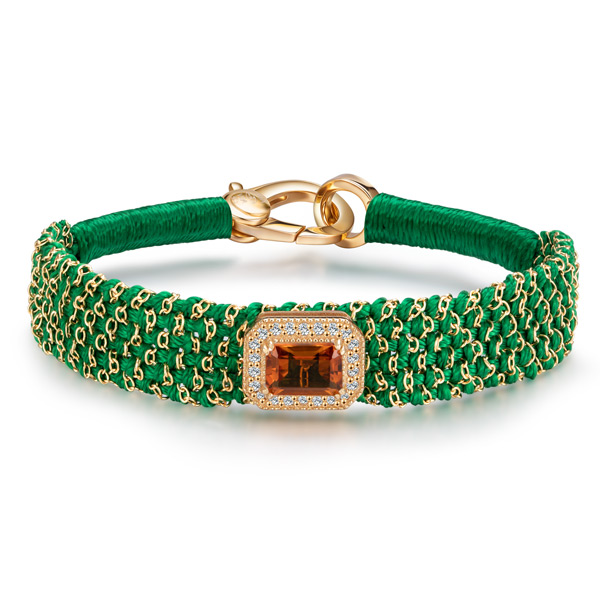
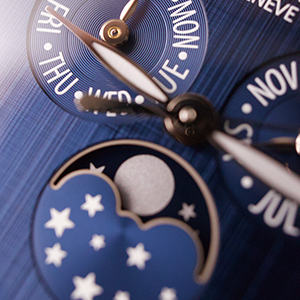
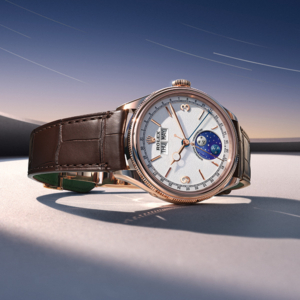
That thinking can translate directly to the sales floor. Crech’Riou likes seeing multiple Van Den Abeele pieces grouped together, where their color immediately communicates the brand’s identity. But she also recommends placing those pieces alongside quieter staples. “Put one of our colorful bracelets beside a traditional diamond tennis bracelet or a beautiful watch, and suddenly both pieces look more modern,” she says.
That contrast is also an invitation to show customers how a new purchase might live with jewelry they already own, rather than requiring them to envision an entirely different version of themselves.
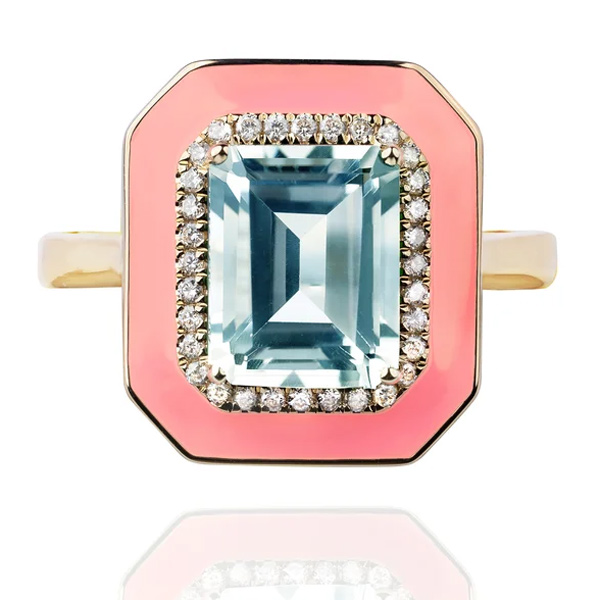
Van Den Abeele’s collection ranges from roughly $350 to $17,000, with many of the pieces falling between about $575 and $2,300. Crech’Riou sees that middle range as particularly important for self-purchase. “The purchase can be spontaneous and emotional rather than being reserved for a birthday, anniversary, or major life event,” she says. “And I think color encourages that behavior.” A joyful piece, she adds, allows women to approach fine jewelry with some of the freedom they bring to fashion.
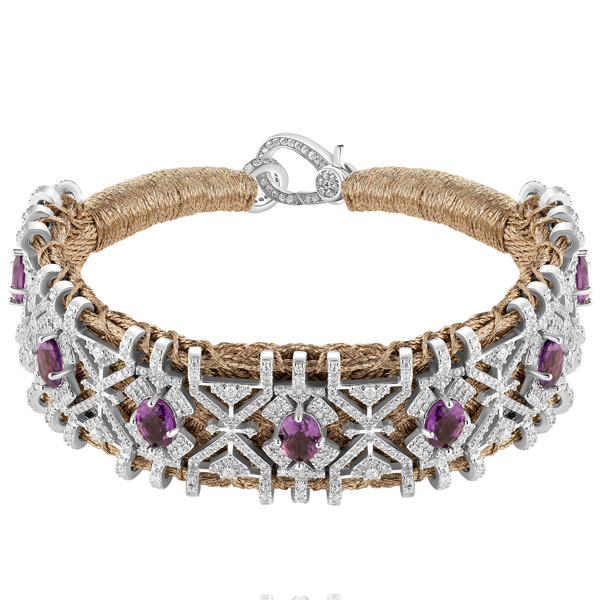
Van Den Abeele is now pursuing selective wholesale growth with fine jewelry retailers, luxury multi-brand stores, and hospitality destinations internationally, with development underway in Europe, the United States, the Caribbean, and the Middle East. Crech’Riou says the brand is intentionally choosy about those relationships.
“Our objective is not to be everywhere,” she says. “It is to build strong relationships with the right retailers in the right locations and grow with them over time.”
For those retailers, the color may be what catches the eye first. But Crech’Riou would rather it not obscure what sits underneath. “The pieces may look effortless, but a great deal of work goes into proportions, stone selection, color combinations, and finishing,” she says. “We are extremely demanding about quality.”
That commitment to craft is precisely what allows the jewelry itself to loosen up. For Crech’Riou, modern fine jewelry should be “precious enough to keep forever, but relaxed enough to wear every day.”
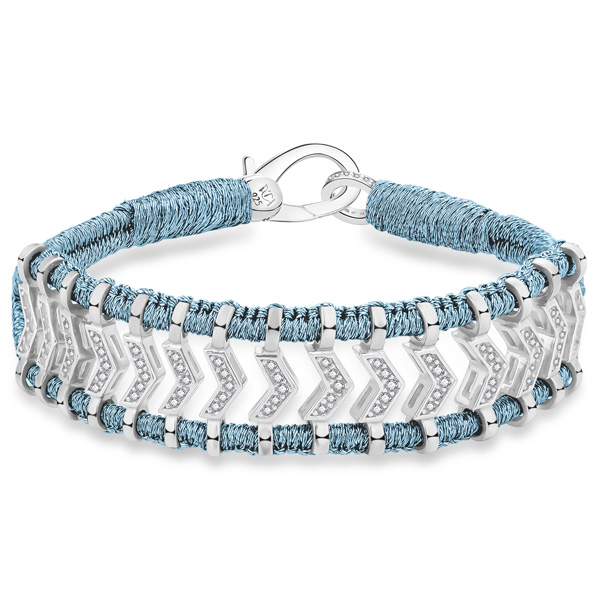
And perhaps retailers can afford to loosen up a little too. As she puts it: “The traditional idea that serious jewelry has to be discreet is disappearing. Women want fine jewelry to reflect their personality, and personality is not always beige.”
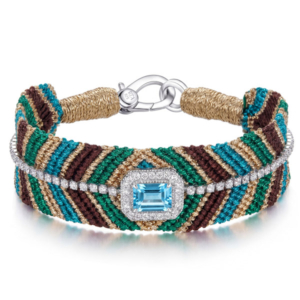
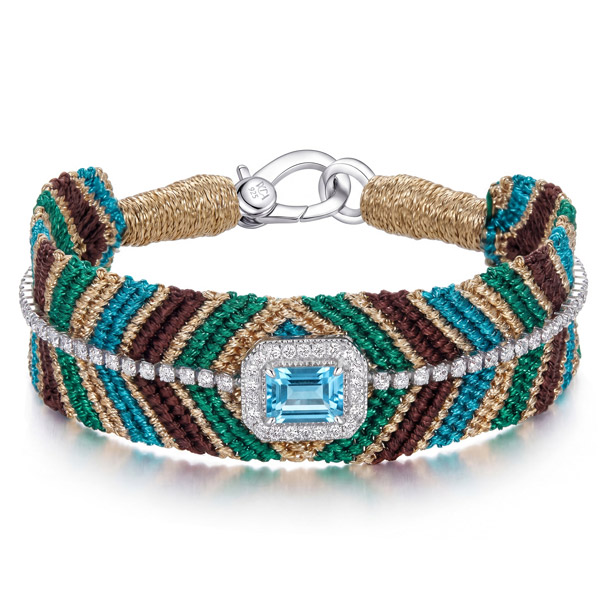
Top: Biggie bracelet in sterling silver with braided cotton and Lurex thread, 1 ct. blue topaz, and 1.03 cts. t.w. diamonds, $1,738; Van Den Abeele
- Subscribe to the JCK News Daily
- Subscribe to the JCK Special Report
- Follow JCK on Instagram: @jckmagazine
- Follow JCK on X: @jckmagazine
- Follow JCK on Facebook: @jckmagazine