One of the many things that distinguish fine jewelry from other luxury goods is its ability to serve as portable wealth. Should the need arise, someone could convert their gold or platinum jewels into cash or, in the most dramatic cases, quickly stuff them into pockets and run. And yet most of us don’t buy fine jewelry with thoughts of future wealth in mind.
Menē (pronounced “meh-ney”), a jewelry brand founded in 2017 by Roy Sebag and Diana Widmaier-Picasso (Pablo Picasso’s granddaughter), seeks to make the connection between jewelry and savings more explicit.
“The idea is not new but its modern interpretation by Menē is,” Vincent Gladu, the brand’s president and CEO, tells JCK. “The word Menē is an ancient Aramaic word that has a deep meaning, reminding us of the immutable link between jewelry, gold, and long-term savings. The Menē, reflecting 567 grams of pure gold, is the first written word for money as codified in the Codes of Hammurabi and Ur-Nammu 4,000 years ago. For most of written history, the term money has always meant a standard weight and purity of gold or silver. Whether worn as jewelry or kept in a satchel as exchangeable coins, these natural precious metals formed the basis of long-term savings, outlasting quickly decaying commodities and enabling trust and cooperation amongst diverse communities with different skills.
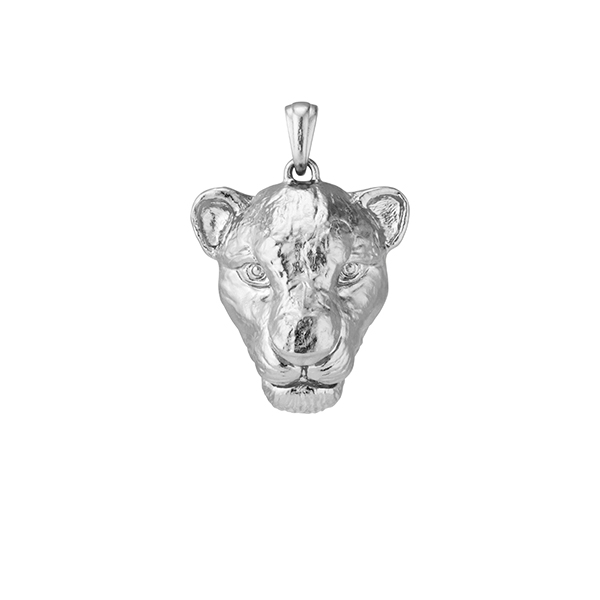
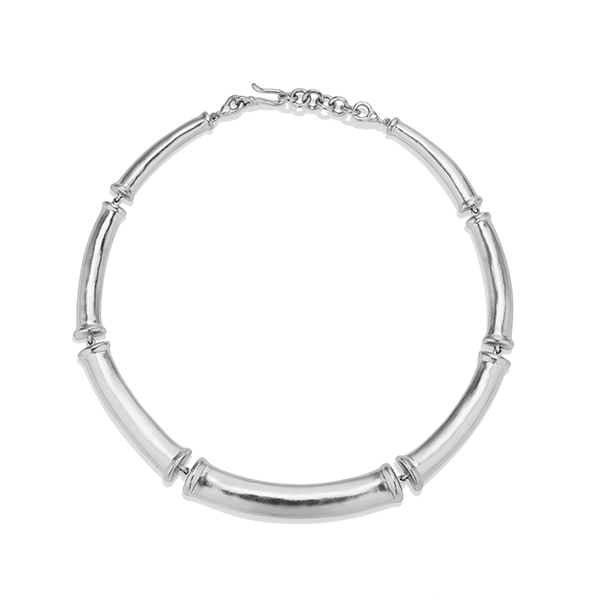
“What’s profoundly missing in Western luxury markets today is the forgotten role of jewelry as wearable estate,” Gladu adds. “For wealthy or aspirational buyers alike, fine jewelry is an heirloom that should forever hold its monetary value, as important to family wealth and savings as property or art. Thus, Menē crafts 24k gold and pure platinum investment jewelry sold by gram weight.”
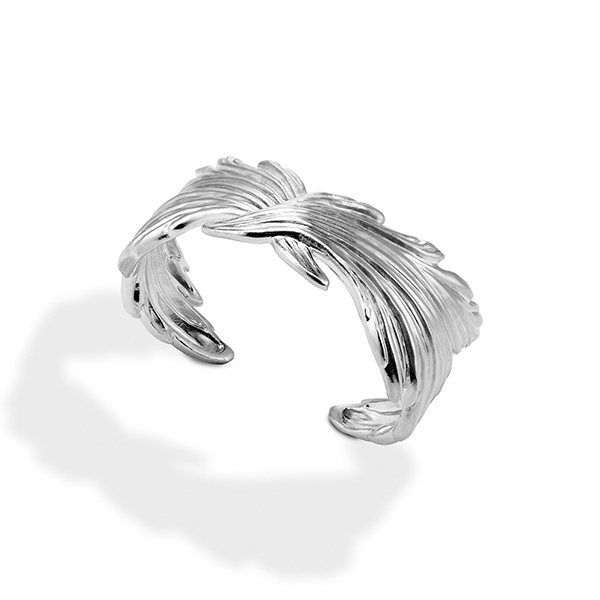
The brand’s commitment to promoting jewelry as investment means it’s also committed to what Gladu calls “radical transparency” about pricing. All of Menē’s jewelry is priced based on current metal market prices with a premium of approximately 30% of the total value of each item tacked on to cover the costs of design and manufacturing. (A disclaimer on the site notes that “All jewelry is handcrafted in the USA and is tariff-free.”)
“The problem is that in today’s western jewelry markets, the precious metal weight and value are almost never disclosed,” Gladu says. “This lack of transparency is what enables modern jewelry brands to earn as much as 80% of the original purchase price as revenue and is why modern jewelry fails to maintain its value.”
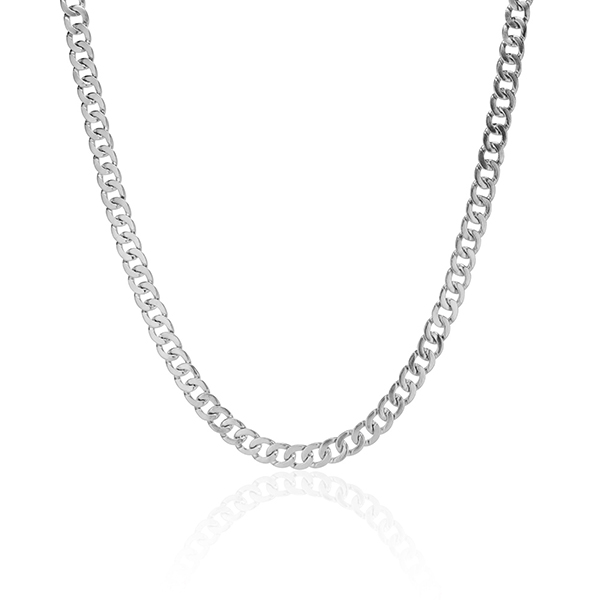
By crafting jewelry from pure platinum and 24k gold, Menē also makes it easy for customers to sell or exchange their jewels (the site offers the “Menē Guarantee,” which allows someone to sell or exchange their jewelry at the daily precious metal value minus a 10% fee to cover shipping, handling, and insurance).
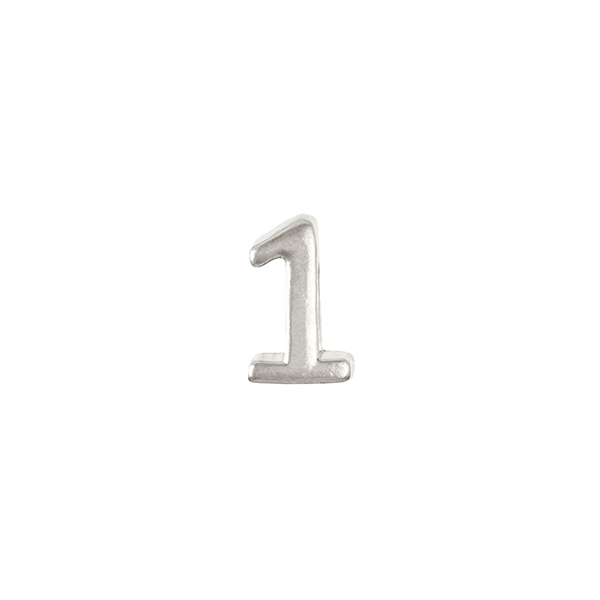
At press time, the opening price point for a platinum jewel from Menē was $155.21, for a number charm. But keep in mind that prices fluctuate throughout the day, based on market rates. Call it a radical return to basics—platinum, purity, and a price you can actually understand.
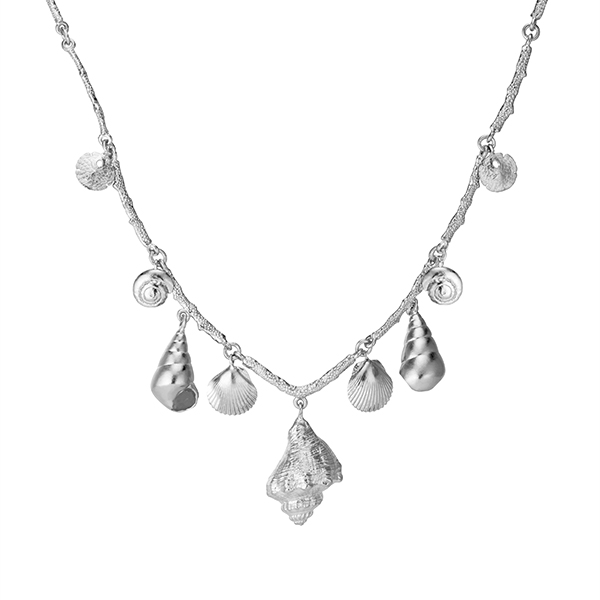
Top: Multi Shell 17-inch necklace in pure platinum, $16,387.62; Menē
- Subscribe to the JCK News Daily
- Subscribe to the JCK Special Report
- Follow JCK on Instagram: @jckmagazine
- Follow JCK on X: @jckmagazine
- Follow JCK on Facebook: @jckmagazine