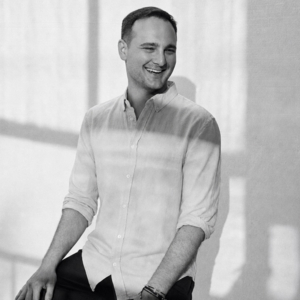
On author and jewelry historian Marion Fasel’s jewelry-centric Substack, The Adventurine, pop culture, trend coverage, and designer history collide.
The insights she shares reflect more than three decades of scholarship. (Fasel’s first book, Hollywood Jewels: Movies, Jewelry, Stars, coauthored with the late Penny Proddow, came out in 1996.)
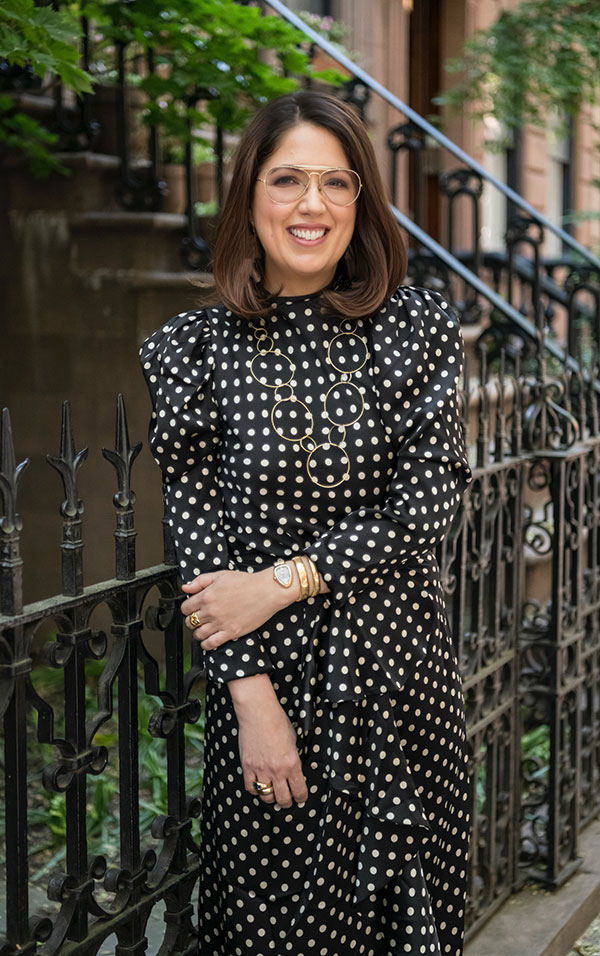
Fasel’s indisputable expertise is one of many reasons why we asked her to recap her key takeaways from 2026 Las Vegas jewelry week. Below, check out her thoughts on the shows’ three defining trends.
“Mechanicals”
“In the 18th century, pieces that had a hinge and opened and did something were called ‘mechanicals.’ That might suggest to a modern ear a motor, but in the 18th century—we’re going back to Versailles here—it was kind of a society or nobility pursuit. It makes sense: Jewelry was a form of entertainment.
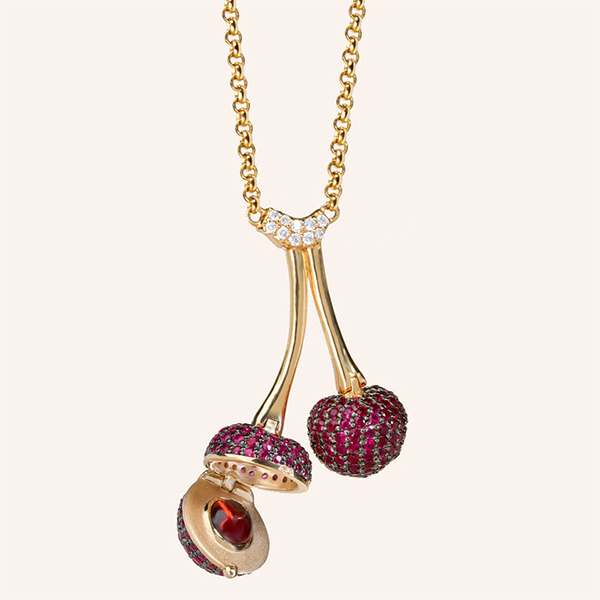
“In Vegas, I was blown away by how many people were showing transformable jewelry; it blew my mind. Monica Rich Kosann had a ruby cherry pendant and you open it and there’s a little cherry pit inside which is a garnet. That’s the whole point; it has this entertainment quality. She was far from alone.
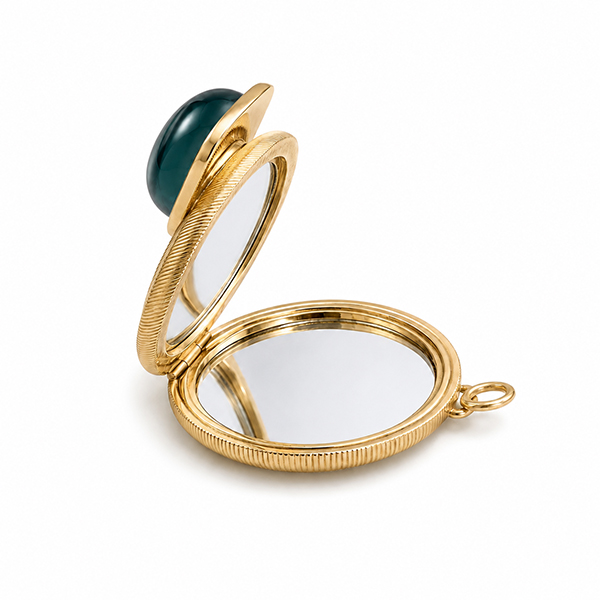
“It emerged kind of out of nowhere. We don’t really have a word for it. One editor called it ‘hinged’ jewelry. Some call it ‘transformable’ or ‘convertible.’ But I think the proper term is ‘mechanicals.’”
“Creative Alternatives” to Gold
“At the opposite end of the spectrum, of course we’re dealing with the high price of gold, so we saw a lot of beads done in so many creative, imaginative ways. Beads can be expensive but they can also bring the price of a piece down. Usually, they’re less expensive than gold chain. I think everyone’s initial response to the price of gold was, ‘Do silver.’ But if you want gold, you don’t do silver. It’s not an alternative.
“Last year, I definitely felt jewelers were kind of defiant about the price of gold. So they went bigger. And this year, there was a little more admitting defeat. They had to make things in smaller scales—little charm pendants and huggies galore, or really small hoops with charms, which looked great and worked with the multiple earrings look. I saw tons of those.
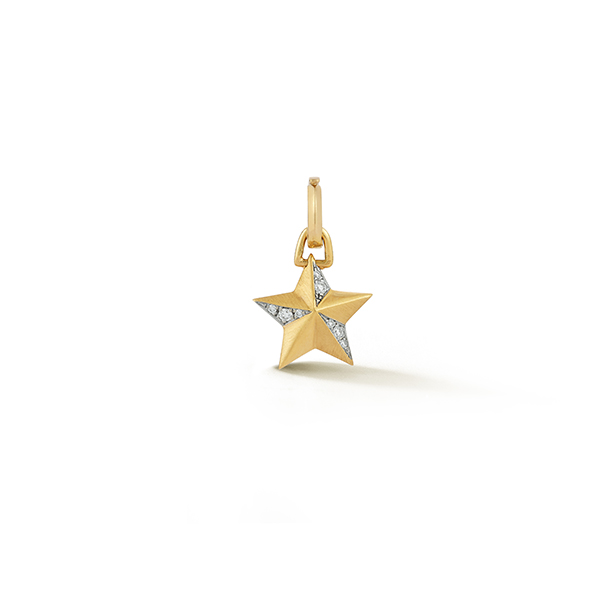
“There were lots of leather cords, and bolo ties all over the place. Again, we’re looking for alternatives. But for me, it was really beads. Creative alternatives. As a historian, I think about how people will often say, ‘Nothing happened in the ’30s because it was the Depression.’ Simultaneously, you’ll read that no one wore fine jewelry in the 1960s and ’70s. No, no, no—these periods were some of the most creative in fine jewelry because necessity is the mother of invention. It’s not just another diamond necklace.
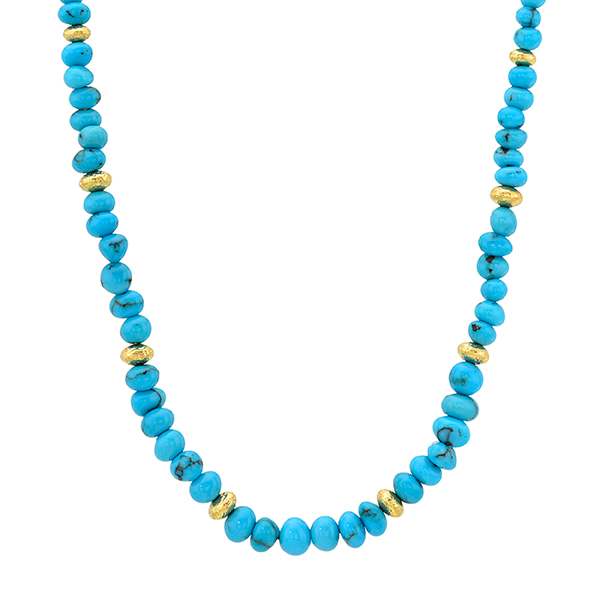
“People have to really think about what they’re creating and the new materials they’re using because we’re in a crisis with gold, with the diamond market—and that’s what you felt the most in Vegas, the gold crisis. People are dealing with it in ways that are fun to see. And it’s not the knee-jerk response: ‘Oh, it’s going to be silver now.’ Jewelry designers, this is their medium—they’re not just going to go one way. They’re all going their own ways.”
Narrative Jewelry
“The personalization trend—jewels with built-in meaning—that’s going strong. People don’t just want a bracelet, they want something with a story, some narrative tale written into the jewels. It’s moved so far past trend and become something that’s baked into jewelry at this point.
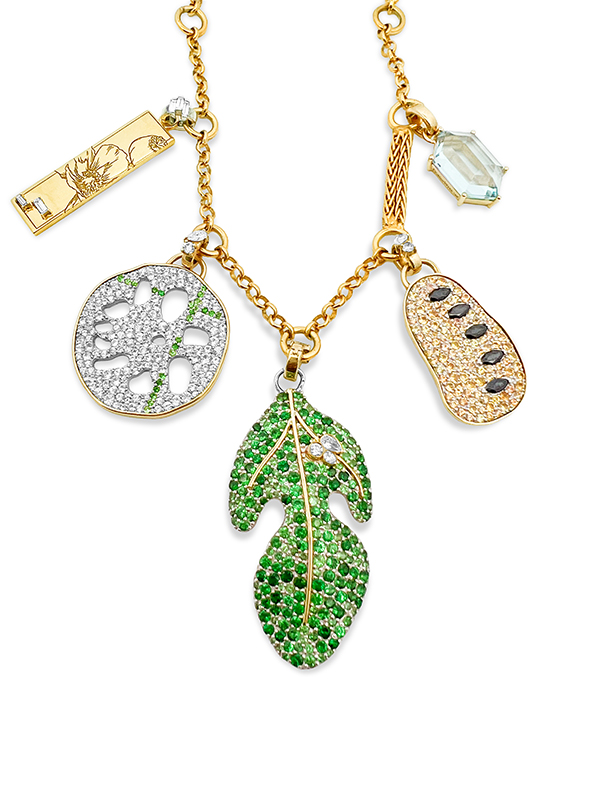
“When I started covering the contemporary jewelry market in the ’90s, it was, ‘This is a beautiful necklace and this is a beautiful bracelet.’ Now people have these incredibly sophisticated narratives. Dorian Webb was wearing a necklace that had this incredibly long and beautiful story attached to it about Harriet Tubman. I asked her about it at this reception for Only Natural Diamonds. People want a narrative in the jewelry they buy and I don’t think it’s ever going away—because millennials and Gen Z, they want that story. It’s the Taylor Swiftification of everything: Everything has a meaning, everything is intentional, everything is narrative. And if it doesn’t come with a narrative, then give it one.
“Taylor Swift does that. She’s taught her audience, which is the world, lots of obscure information. And that’s what we’re seeing. It’s superseded personalization—it’s about narrative, story—we all want storytelling. We need things that comfort us and make us feel secure. And jewelry at its best does that.”
Top: Special edition “Enchanted Garden” Cherries necklace in 18k gold with 2.65 cts. t.w. pavé rubies, 0.06 ct. t.w. diamonds, and 0.75 ct. garnet, $10,985; Monica Rich Kosann
- Subscribe to the JCK News Daily
- Subscribe to the JCK Special Report
- Follow JCK on Instagram: @jckmagazine
- Follow JCK on X: @jckmagazine
- Follow JCK on Facebook: @jckmagazine