More than 10,000 U.S. couples married between Jan. 1 and Dec. 31, 2025, have spoken and the message is loud and clear: Lab-grown diamonds rule the engagement ring market.
That’s one of the key findings of The Knot’s Real Weddings Study 2026, the wedding services company’s annual survey of married couples, one of the largest studies of its kind.
“The engagement ring market has fundamentally shifted,” according to The Knot. “Nearly 9 in 10 proposers pop the question with a ring in hand, and lab-grown center stones account for 61% of all engagement ring purchases, a 239% increase since 2020. Driven by economic pragmatism and evolving values, this shift has led to larger average carat sizes (1.9 ct.) and lower average costs ($4,600), reshaping expectations around luxury and meaning.”
Not only did 6 out of 10 engagement rings in 2025 feature lab diamonds, 40% of couples made clear it was important that their stone be lab-grown. (Natural diamond engagement rings, by contrast, showed no growth in either total or center stone size.)
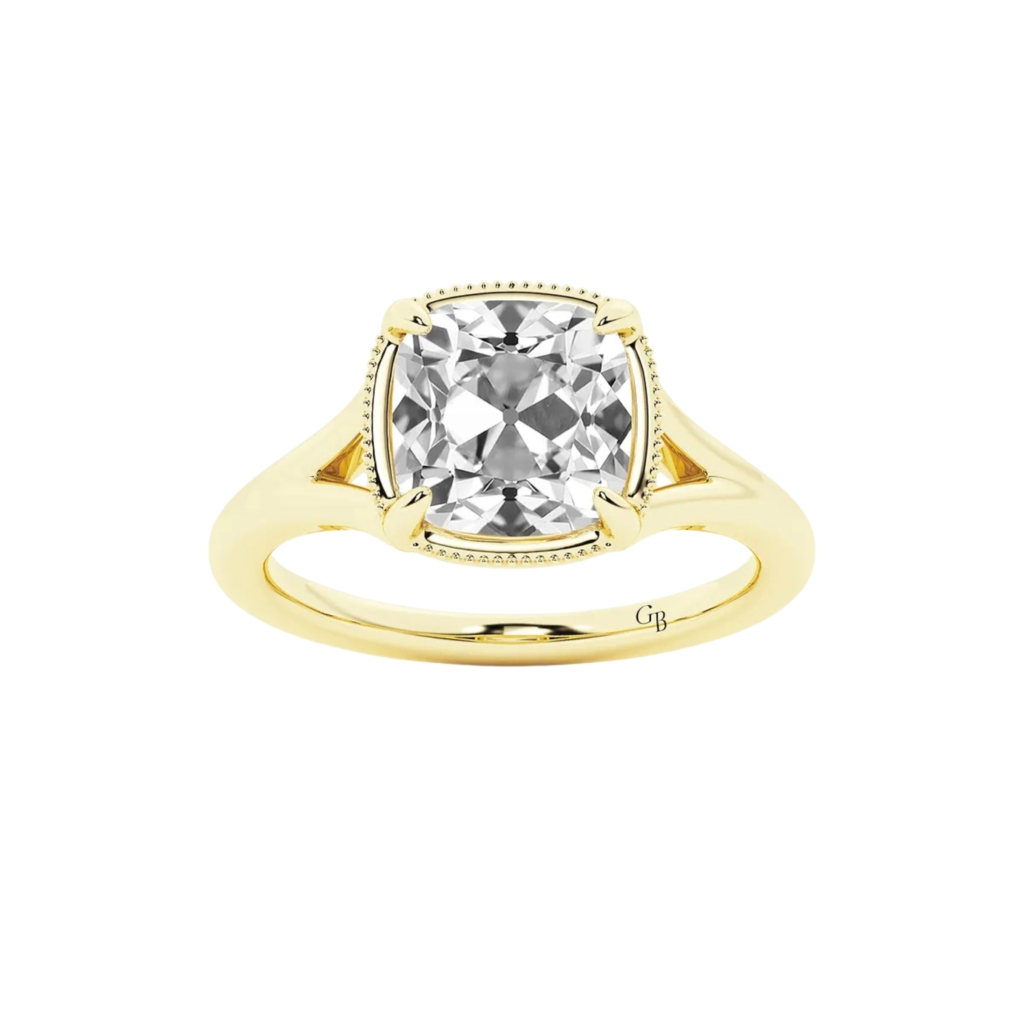
Colorless diamonds were the most popular center stones, while sapphires and moissanite were the most popular non-diamond center stones (23% and 20%, respectively). Twenty-six percent of couples chose round diamonds, followed closely by oval (25%). White metal settings still dominate, but the study shows they’re in decline; 39% of couples chose rings made of yellow gold, which is up 140% over the past five years.
Also worth emphasizing, the report clocked average carat weight at 1.9 cts. and average spend at $4,600, which aligns with the popularity of relatively large yet inexpensive lab diamonds (at least compared with their natural diamond counterparts).
When it comes to proposals, The Knot found that around 40% take place between Thanksgiving and Valentine’s Day. A majority of proposers (57%) begin searching for a ring more than six months out (typically mid-summer) but purchase the ring closer to when they pop the question. About three out of four proposers (77%) said they spent four months or less on the ring research and purchase process.
Notably, couples are now regularly shopping for the ring together—the study found that 79% of ring recipients were involved in the process, and a quarter of couples shop at a retailer together before the proposal. More than half said they believed in the importance of the physical retail experience when shopping for a ring. Proposers visited an average of two retailers in person and looked at 10 rings during the purchase process, and 64% decided to buy their rings in person (one-third elected to buy online). Long live brick and mortar!
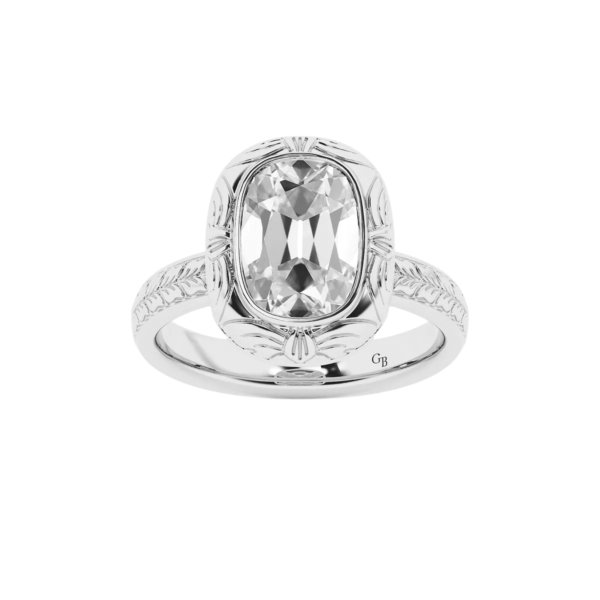
Top: Louise ring in 14k gold with 2 ct. elongated cushion lab-grown diamond, $3,795; Grown Brilliance
- Subscribe to the JCK News Daily
- Subscribe to the JCK Special Report
- Follow JCK on Instagram: @jckmagazine
- Follow JCK on X: @jckmagazine
- Follow JCK on Facebook: @jckmagazine