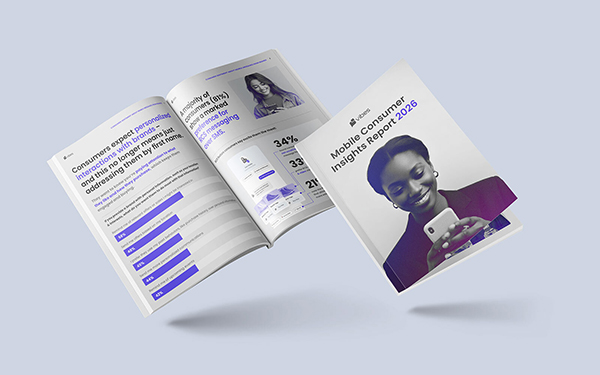
A new survey shows that many consumers prefer texts to email or an app for redeeming coupons or discounts, and that text messaging will drive more purchases and in-store shopping as mobile commerce continues to grow.
Texting surpassed email as the preferred channel for the first time in nine years that Vibes has been doing its Mobile Consumer Insights survey, says Jay Hinman, vice president of marketing at the mobile engagement consulting firm.
Why should jewelers care? Because they can use texting to send visually appealing communication, to boost loyalty, and to bring consumers into the store to complete a purchase, Hinman says.
“The trends all point to a mobile-first commerce ecosystem that has already arrived,” Hinman tells JCK. “The great news is that with the right marketing plan, it will enhance and strengthen the in-store shopping experience, rather than restricting commerce to the device only—very important in the tactile, visual world of jewelry.”
For the report, Vibes said it polled more than 1,100 “mobile-centric” U.S. consumers about how they prefer to interact with brands on their smartphone and how those interactions affect their shopping habits. Among the top findings for 2026: 78% of consumers said they have made a direct purchase from a brand’s SMS or MMS text message (up from 75% last year), with 65% having done so within the past year.
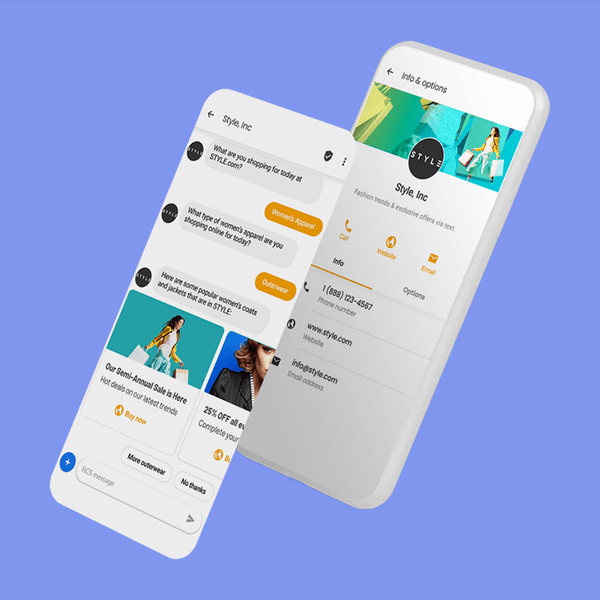
(Quick primer: SMS and MMS messages transmit over cellular; RCS messages use WiFi or the internet, making it easier to send multimedia files, such as images and videos. Most tech experts agree RCS will largely replace SMS or MMS.)
Vibes’ study also shows how rapidly mobile wallets—such as Apple Pay, Google Pay, and Samsung Pay—have gone mainstream over the past three years, according to Vibes. Mobile wallets can be used to make contactless payments, store loyalty cards, and hold digital versions of ID.
Hinman reports that 76% of those surveyed said they are “much more likely” to engage with brands that provide a mobile wallet option for offers and coupons. And 75% said they are much more likely to engage with a brand that offers a mobile wallet loyalty card. Both responses showed significant increases from the 2025 study—from 60% and 57%, respectively.
Jewelers can take advantage of these trends by working with a digital marketing team to craft a mobile offering that excites customers, Hinman says.
“That then brings them into the offline environment of the store to make the purchase. Our customers are seeing this model work very when they use the combination of SMS, MMS, and RCS messages—particularly RCS, which has three times the engagement rate of SMS—and a mobile wallet that houses coupons, offers, and loyalty points.”
RCS messaging is a smart fit for the jewelry industry, according to Hinman, because of its visual and detailed nature. RCS allows for scrolling carousels of products with rich images and videos; two-way messaging between a business and its customers; and “verified sender” checkmarks, so users know they’re talking to the brand they expect. All of this is very important for a high-dollar purchase like jewelry or watches, Hinman says.
(Photos courtesy of Vibes)
- Subscribe to the JCK News Daily
- Subscribe to the JCK Special Report
- Follow JCK on Instagram: @jckmagazine
- Follow JCK on X: @jckmagazine
- Follow JCK on Facebook: @jckmagazine