Worldwide demand for gold jewelry fell sharply by volume in the first quarter of 2026, although the overall value of gold jewelry purchases increased year-over-year, according to new data from the World Gold Council (WGC).
Its Q1 report, released April 29, indicated that high gold prices are reshaping consumer behavior but not entirely eliminating demand. While fewer tons of gold were sold as jewelry in the first quarter, shoppers apparently remain willing to spend when they do buy, the council said.
Measured by weight, gold jewelry consumption declined 23% compared with the first quarter of 2025, WGC said. The pullback was widespread, with demand dropping 32% in China, 19% in India, and 23% across the Middle East.
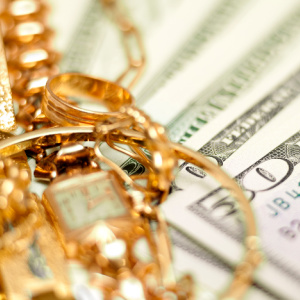
Yet while retailers sold fewer units of gold jewelry, the value of what they sold rose significantly. WGC said total spending on gold jewelry rose 16% for the first quarter, to $13 billion—an increase the council attributed in large part to buyers from China.
“This reveals the commitment Chinese consumers have to gold, even though high prices are diverting them to smaller or lighter-weight pieces,” the WGC report said.
It also noted that tariffs created “significant affordability barriers” for U.S. jewelry buyers during the first quarter, with a year-over-year drop in not only the weight of gold pieces sold but their value.
Among the report’s positive points, WGC analysts Louise Street and Krishan Gopaul said, “Demand for high-end, heritage gold jewelry was fairly resilient among higher-income consumers attracted by the intricate handcrafting and elevated retail experience associated with such products.” Lighter-weight pure gold items also performed well, “particularly among younger consumers who also appreciate design innovation.”
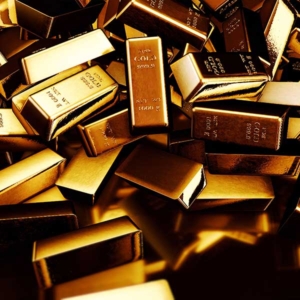
The report said that in the first quarter, overall demand for gold increased 2% by volume, while demand by value surged 74%, to a record $193 billion, driven largely by sharply higher prices.
Investment demand was the strongest area of growth for the quarter. Global bar and coin purchases jumped 42% year-over-year, with China accounting for a substantial portion of that growth— Chinese bar and coin demand rose 67%, setting a new quarterly record of 207 metric tons. India, South Korea, and Japan also posted gains, contributing to what WGC described as a structural shift toward physical gold investment in parts of Asia.
In the United States, bar and coin demand rose 14%, while Europe saw a 50% increase.
Total gold supply rose 2% from the previous year, the WGC report said. Mine production set a first-quarter record, while recycling increased 5%, a relatively subdued response given the elevated price environment.
Looking ahead, the World Gold Council said jewelry spending should remain “resilient” even as high prices continue to pressure volumes. “Tonnage demand is expected to slip further as high prices, and regional tax policies, continue to bite,” Street and Gopaul wrote.
The JCK News Desk uses AI to help research and produce the first draft of articles. This story was then reviewed by staff writer David Blomquist.
(Photo: Getty Images)
- Subscribe to the JCK News Daily
- Subscribe to the JCK Special Report
- Follow JCK on Instagram: @jckmagazine
- Follow JCK on X: @jckmagazine
- Follow JCK on Facebook: @jckmagazine