Antique and vintage diamond cuts are having a major moment (thanks to certain celebrity engagements), becoming more mainstream as consumers look for styles that feel different or unique. A less talked-about option for a nontraditional stone—one that a diamond lover might not want to miss adding to their collection—is the polki diamond.
Distinctive in their look, with organic irregular shapes, polki diamonds utilize minimal cutting (by hand), or are even left uncut. The focus with these gems is not on sparkle but on the natural beauty of a diamond the way it was found.
Polki diamonds originated in India—they were prevalent in Indian royal jewelry—and predate most diamond cuts (mostly because cutting techniques didn’t exist yet). Today, polki diamonds are a cultural tradition, and can still be plentiful in Indian jewelry designs, sometimes alongside modern or antique cuts.
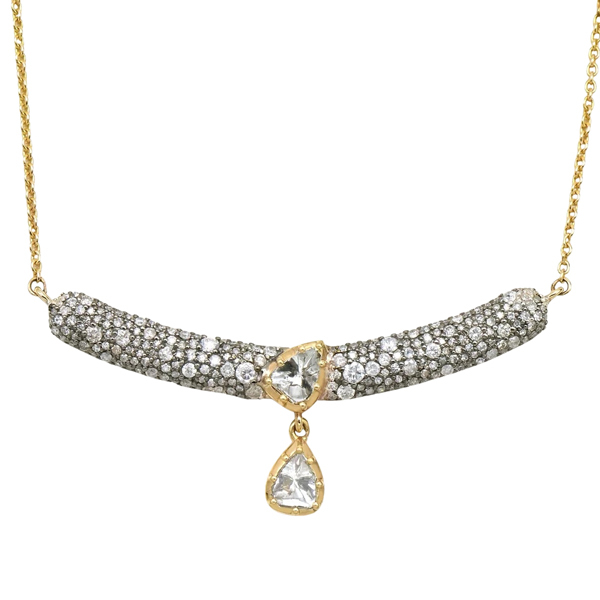
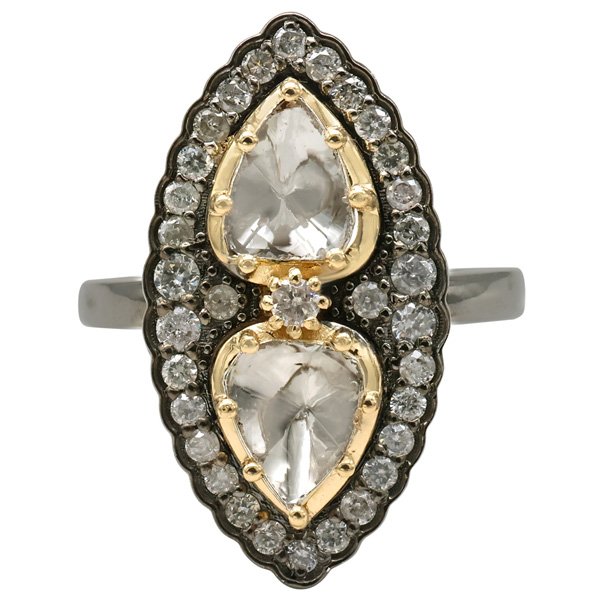
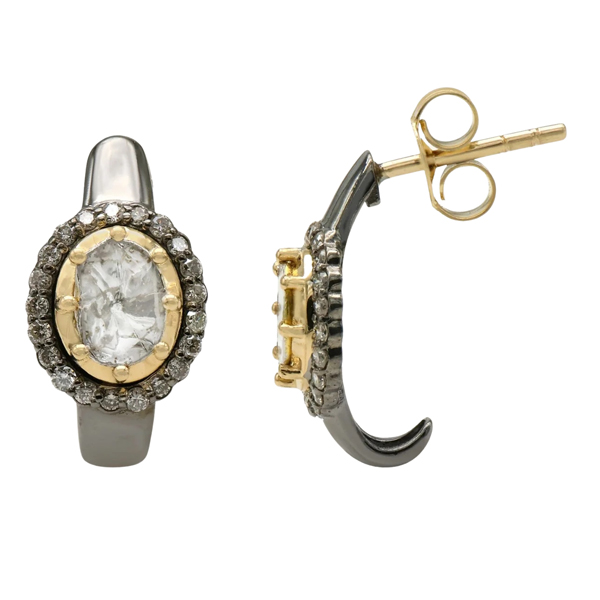
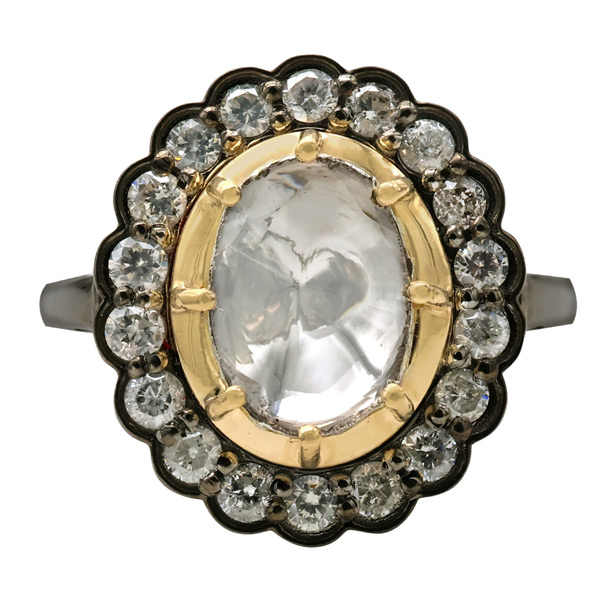
Los Angeles brand Duniya uses polki diamonds exclusively in its latest collection, Noctara. An ode to Duniya designer Nataliya Mehta’s Indian heritage, Noctara fuses polki stones with modern settings, creating a bridge between time and place. JCK has a few questions for Mehta about the collection.
Can you offer some selling points that retailers can use for polki diamonds?
Polki diamonds are essentially raw-cut diamonds. They are cut very minimally and kept close to their natural form. They’re still real diamonds, they still catch the light, but the sparkle is softer and more dimensional. Because there is less cutting involved and no push for perfection, they’re often more approachable in price but still feel special and one-of-a-kind. For customers, it’s a way to wear a natural diamond that feels different, organic, personal, and not overly traditional.
How exactly is a polki diamond cut?
Polki diamonds are hand-cut using traditional techniques, mostly in India. The cutter works with the natural shape of the rough stone instead of forcing symmetry or standardized angles. There is no modern faceting, just a polished surface that keeps the diamond raw in feeling while still refined.
Are they more or less expensive than traditional diamonds?
Polki diamonds don’t follow the typical 4Cs pricing system. Since they aren’t cut for perfection, you’re not paying for symmetry or engineered brilliance. Polki diamonds can be more accessible than high-grade modern diamonds and still be natural and unique. Pricing depends on the individual stone rather than a formula.
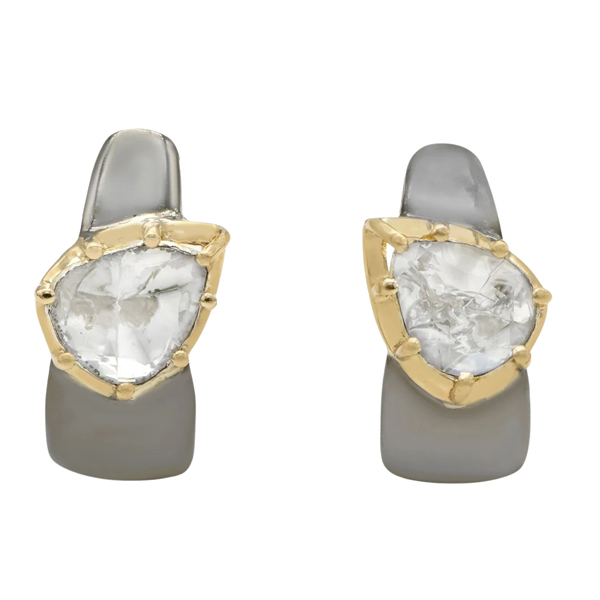
Would you consider a polki diamond an option for consumers who want a stone that stands out but aren’t interested in lab-grown?
Yes, absolutely. Polki diamonds are natural diamonds, but they don’t look mass-produced. For clients who want something real, but not overly polished or traditional and who aren’t drawn to lab-grown, polki would be a strong alternative. It stands out quietly.
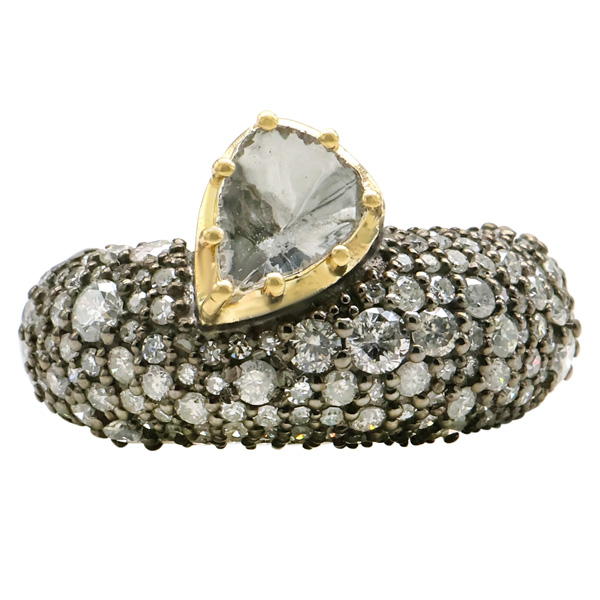
Do you expect people to choose Noctara jewels as everyday pieces or for engagement rings, or both?
Traditionally in Indian jewelry, polki diamonds are worn for big moments, like engagement parties, weddings, and other celebrations, and are usually set in bold, statement pieces. With this collection, I wanted to take that idea and make it more wearable. We’re doing polki in a way that works for everyday, while still offering pieces that can stand alone and feel special. It ranges from subtle to statement, depending on how you want to wear it.
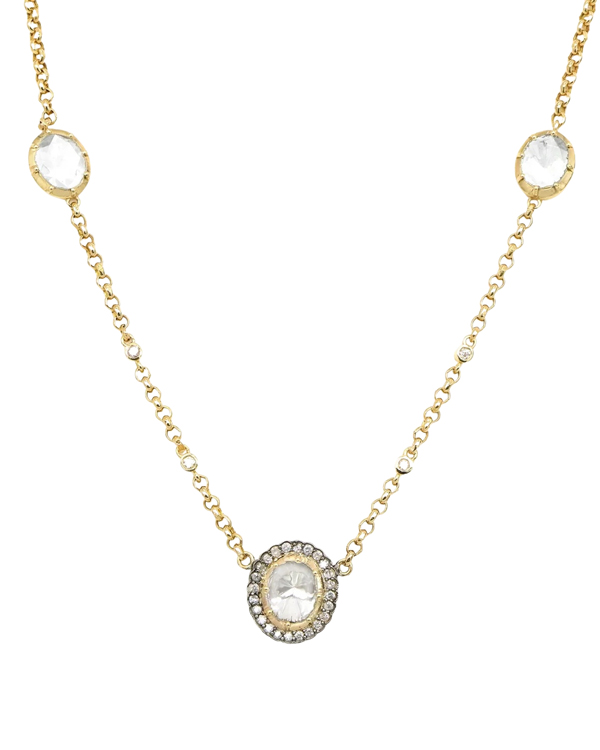
Can you share more about the connection between polki diamonds and Indian culture—and what draws you to them visually?
Polki diamonds have been part of Indian jewelry for centuries, especially in royal and bridal pieces. They’ve always been worn in a more raw, expressive way rather than perfectly matched or uniform. What I love about polki is the look: imperfect, a little edgy, and less expected. It doesn’t feel delicate or overly precious. That rawness gives it character, and that’s what makes it feel modern to me.
Do you have a favorite piece from the collection?
Love the Tara curve necklace with pear drop! I really think it’s a sick piece, and it’s different in its own way.
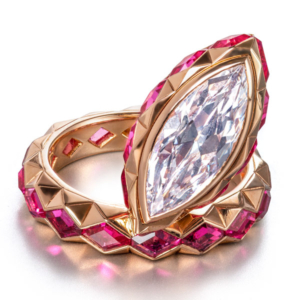
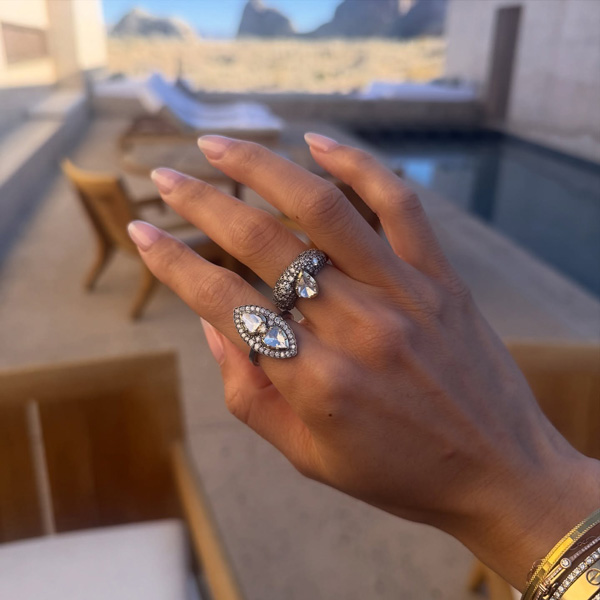
Top: Rings featuring polki diamonds from Duniya’s new Noctara collection
- Subscribe to the JCK News Daily
- Subscribe to the JCK Special Report
- Follow JCK on Instagram: @jckmagazine
- Follow JCK on X: @jckmagazine
- Follow JCK on Facebook: @jckmagazine