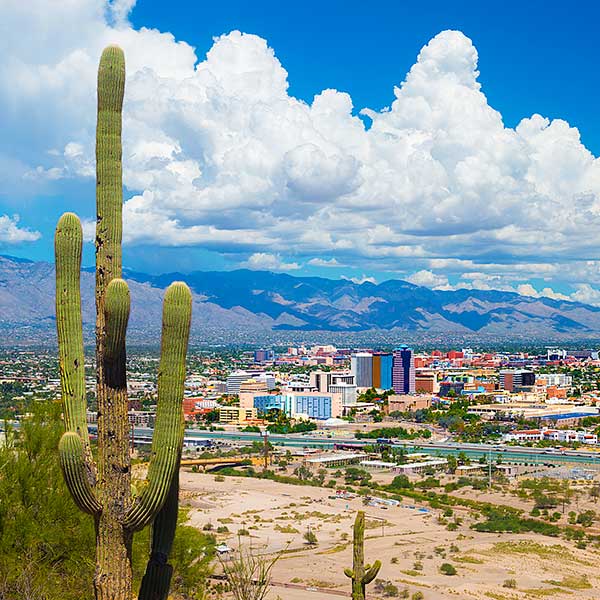
It’s beginning to look a lot like Tucson.
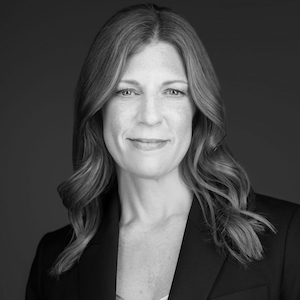
With the gem shows just weeks away, we decided to check in with Stuart Robertson, president of the gem pricing and market data authority Gemworld, for his always-prescient take on what to expect from this year’s buying shows in the Arizona desert, including the AGTA GemFair and GJX show, which both open Feb. 2.
Robertson’s outlook isn’t exactly rosy. The tariffs are reportedly keeping many international dealers away, while the uncertain economy is threatening to put the kibosh on spending.

“Hopefully we’re wrong and it’ll be a vibrant show, but I don’t see where people get the confidence to spend,” he tells JCK. “Most consumers walking into mom-and-pops are still feeling the pinch from higher prices and that weighs on all of us.”
Below, Robertson shares his insights about the true cost of tariffs, the state of the gem market, and why jewelers should always bring a pen light to loupe stones they intend to buy at the shows. (His remarks have been edited and condensed for clarity.)
On how tariffs may affect the gem shows
“I don’t expect the outlying shows to be particularly active. We’re already hearing from people overseas that exhibit at GJX that they’re pulling out because of tariffs. It’s still not clear if they will be asked to pay the tariff at the time they bring the material into the country for the show. Some are being told that the tariff on unsold material will be returned, but there’s no practical process to do that. We see people every year from Australia, sapphire or opal dealers, and they’ve pulled out. International dealers with a U.S. presence are still coming, but people without a U.S. presence, I think you’ll see a real erosion.
“Some of the overseas people are just not going to risk it. If you’re bringing in a million dollars or more in inventory and you’ve got to pay the tariff up front, before you’ve even set up your booth? I wouldn’t do it.
“It’s not that these people are deciding to get out of the business. They’re going to the Hong Kong show instead, which is just a few weeks later. For the few that have already told us this, there’s got to be a lot of others with the same mindset.
“It’s a two-tier market now: It’s U.S. pricing and world pricing. Prices on similar goods will be much more desirable in Hong Kong vs. Tucson. It’s going to impact the show at every level.”
On the availability of new material
“There’s a lot of pre-show trading that goes on. Some of those firms will still come but some won’t and that will affect the inventory U.S. dealers have in their cases. There’s plenty of material in the U.S.—a lot was brought in before tariffs got put in place. But we’ve had three-quarters of a year with the market depending on that pre-tariff material and I’m sure it’s been depleted.
“We’re not going to have a new stone that we can point to that we can say is the darling of the show. At least not in any quantities.”
On the state of the market
“Over the holiday, we saw the same trend we saw forming in the fall: Colored stones outperformed. In the U.S., colored stones have been gaining in market share for a few years; they burst out of the stagnant 9% to 10% of the market—they’re clearly more now.
“In the U.S., we’re seeing that interesting but low price point materials, such as parti colored and zoned sapphires from Australia, are doing well, especially with small independent designers, and really high-end material is doing well with top-shelf jewelers. What’s not doing well is the industry’s bread-and-butter material.
“The mid-level of the market seems really quiet. That’s attributable to the current economic outlook. People are paying more for household necessities than they did a year or two ago and that’s taken a bite out of discretionary spending. The middle class is really the driver of the industry. Really wealthy people don’t drive the business like the mom-and-pop stores spread throughout the country or the chain stores at the malls. It’s always been a middle class–supported industry and the middle class is feeling the pinch.”
On the gems to watch
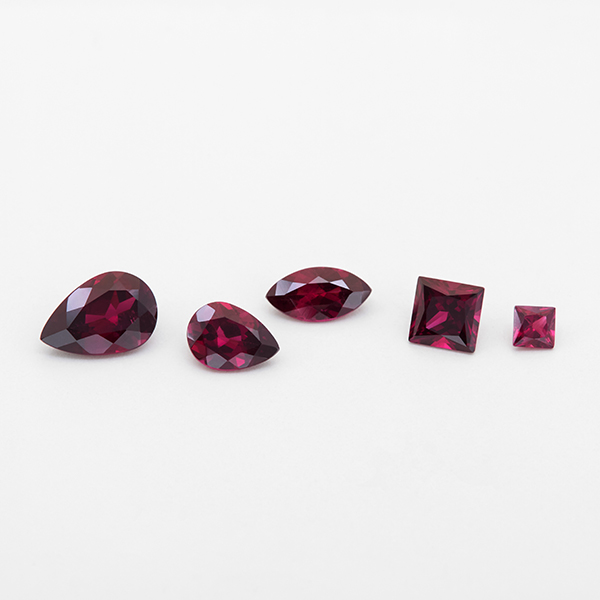
“Ruby is doing okay but prices have gone nuts. A lot of people are priced out of the market for anything other than heat flux material. It’s a sapphire market, it’s an emerald market, it’s definitely a garnet market. We’re seeing interest in tsavorite but also rhodolite—the reddish-brown, purplish-red material. Personally, I see that as a color substitution. More and more people, both retail jewelers and consumers, are not willing to pay the price for rubies so we’re seeing that garnets, red tourmalines, and spinels have picked up.
“Zircons are also doing well. It’s no longer just the blue zircon. The straw-colored, brownish-orange, golden brown stones coming out of East Africa are doing well. There’s not a huge amount of that material, but it’s attractive to designers. This is a market embracing a broader range of colored stones than it did in the ’80s and ’90s when it was just the Big Three or the Big Four. Tanzanite in the ’90s was considered the fourth, but tanzanite interest has waned in more recent years—the stone was so popular in the ’90s and early 2000s that you get to a point of market saturation.”
On how prices are shifting
“Everything’s kind of moved up in price over the last couple years but there’s a price ceiling that’s formed for a number of these materials. They moved up pretty quickly during the early part of decade. I expect prices will be stable, maybe even slightly less this year in Tucson than they were a year ago, especially for things like aquamarine and morganite. But I don’t expect to see a big decrease in value—there’s no justification for that.”
On how to handle stones with surface-reaching fractures
“Retail jewelers should look at any gemstone that has a surface-reaching fracture, a little cleavage, and look carefully for filler. Any gemstone can be oiled. The industry thinks about oil in the context of emerald only, but any gemstone with a surface-reaching inclusion is a candidate for oiling, to try to make the inclusion less visible.
“Some of our researchers have indicated that they’ve seen flash effects with paraiba tourmaline. Our researchers are retailers who’ve agreed to collect data for us—they loupe stones with a pen light. Anytime light travels through a stone and it hits a substance other than that mineral, it gives you a clue that something else is there. That’s how you detect fillers.
“Anybody can learn to do this, but the best thing is to simply ask the people selling the material: Has it been treated? People are buying stones not expecting to be oiled, but we find that they are. Anything with a surface-reaching break can have a filler. We’ve seen it in pale $10-a-carat morganite.
“It’s a good reminder: If you’re spending money, you should know what you’re buying.”
Top: Tucson cityscape (photo: Davel5957/istock/Getty)
- Subscribe to the JCK News Daily
- Subscribe to the JCK Special Report
- Follow JCK on Instagram: @jckmagazine
- Follow JCK on X: @jckmagazine
- Follow JCK on Facebook: @jckmagazine