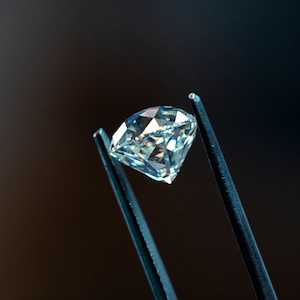
Long before Taylor Swift drew the world’s attention to old mine–cut diamonds, and antique stones in general, Jay Moncada, a third-generation gem dealer with roots in the Colombian emerald trade, saw an opportunity to specialize in what was then—circa 2011—a small but promising niche of the diamond trade.
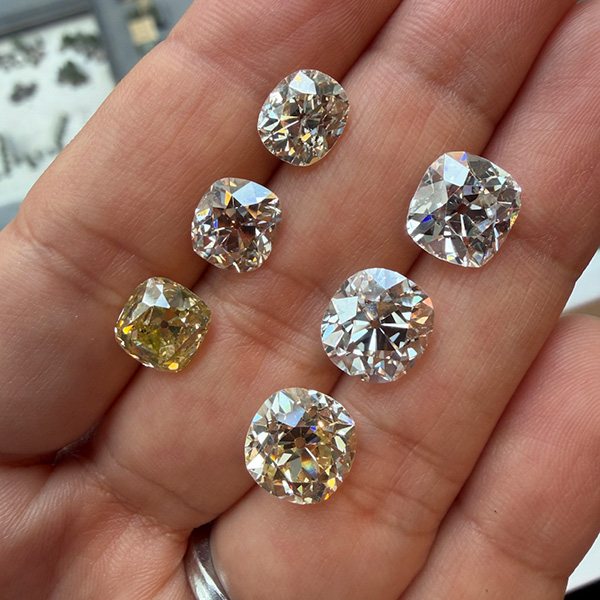
“The idea was to provide an alternative to newly mined by looking into the estate or secondary market,” Moncada, founder of Perpetuum Jewels in New York City, tells JCK. “When we studied what was out there—and this was just after the collapse of the economy in 2009—we realized there was an immense amount of secondary diamonds and the more fascinating ones were antique because of the way they sparkle, and what the considerations were when they were being cut, which were very similar to colored stones: You let the material talk to you, which is very different to modern proportions, where it’s all about angles and yield.
“Basically, all modern diamonds look the same, whereas the antique stones have a one-of-a-kind personality,” Moncada says. “We fell in love with the proposition and felt aligned with what we wanted to bring to the market. And the more we delved into what’s out there, the more intriguing it became.”
Moncada and a business partner who’s no longer with the company founded Perpetuum in 2013 to serve the needs of jewelry designers, metalsmiths, and bench jewelers in search of loose antique diamonds, the vast majority of them intended for wedding or commitment rings.
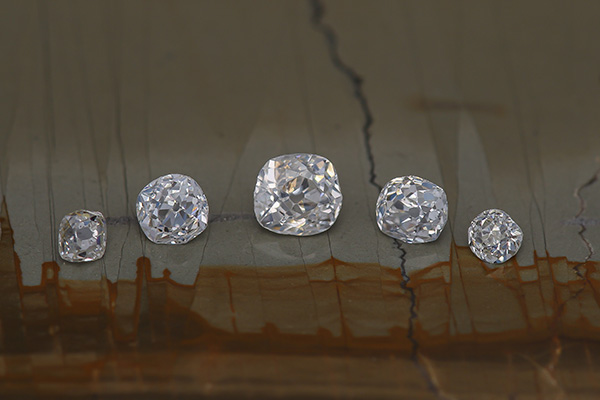
Below, Moncada talks about how the category has evolved, why it has become more challenging to source material, and what the Taylor effect has meant for the industry.
On the evolution of the antique diamond category
“The antique and estate jewelry market has always been very niche. It’s for someone who already has everything and wants to find uniqueness with some historical context. But as smaller designers started picking it up and marrying it with a new aesthetic, that was the beginning of more widespread understanding.
“Twenty years ago, you really had to explain what an old mine cut was, what a rose cut was. Now everyone understands, even outside the industry. There’s been a broadening. That stigma of old jewelry has disappeared. Call it nostalgia, or individuality. It’s finding its own place outside of a niche. Now, it’s a really large, very important category.”
On the Taylor effect
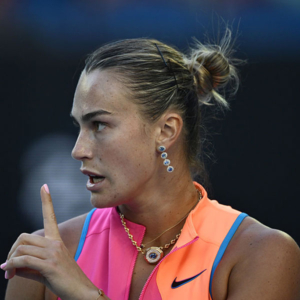
“What happened with Kindred Lubeck and Taylor Swift’s ring, it really put a lot of attention on quality and one of a kind that massification of products tends to blur. With that, unusual things have seen an uptick. It’s a nice storm of attention gathering around that. Most of my clients are like Kindred—they’re bench jewelers or small designers. Kindred has been a client for a while. I like to think I was a part of her decision making [in designing Swift’s ring]. But it’s been kept secret who she sourced from.
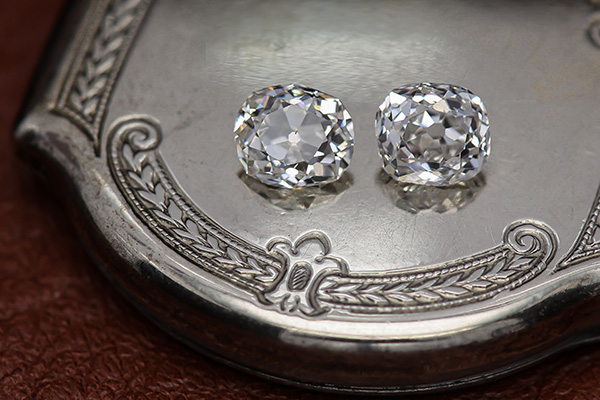
“The market demand on at least bridal stones has been ‘Swiftified.’ Now, elongated shapes are popular. Anything that has antique old mine is gaining attention and further demand. You’ll hear a dealer on the street say, ‘Oh, I had to turn this into an oval because I have no cushions left to sell.’
“Thankfully, because I’ve been in it for a long while, I still have access. The standard diamond dealer or supplier trying to walk into the market has a difficult time. I’ve secured my sources.”
On how the category fared in 2025
“The year was great, but with its own challenges. Being in New York, I have a much easier time finding antiques. But even with that advantage, securing nice antique goods has been difficult. Not just antique as a reference for when something was sourced, but also vintage, old-world, antique-inspired diamonds are more difficult to find. But it’s been exciting to see more people willing to offer it over traditional diamond but also over lab-grown. It’s a really nice alternative to lab-grown.”
On De Beers’ ‘Desert diamonds’ campaign
“It’s smart marketing to be very differentiated from lab-grown. I’ve always loved browns—I wish more people did. Now is the time that people actually ask for them. We’ll see after Tucson. I’ve prepared my set of ‘Desert Diamonds’ that wouldn’t normally have that label.”
On the outlook for 2026
“I haven’t seen any fatigue [with antique or old-mine diamonds] yet. There’s always this adoption stage where you see everybody rushing to it and then comes the follower stage. And at the beginning, people will say, ‘I don’t care for them,’ and then they adopt it. At the heart of the trend are elongated cushion old-mine cuts. And any number of variations.
“The key takeaway is that it needs to be distinct. It needs to be driven by uniqueness, not price or other market considerations. Everybody’s really going for individuality of design. The market is now custom bridal as opposed to, ‘Here are A to D options.’ People want individuality, whether that’s by color, cut, quality, or characteristics that weren’t traditional or popular. I see that being big in 2026.”
Top: Old mine–cut diamonds by Perpetuum Jewels
- Subscribe to the JCK News Daily
- Subscribe to the JCK Special Report
- Follow JCK on Instagram: @jckmagazine
- Follow JCK on X: @jckmagazine
- Follow JCK on Facebook: @jckmagazine