Much has been made of the debate over lab-grown diamonds in the industry, and you’d have to be living under a rock to not have heard it. But rather than ask lab-grown diamonds to prove what they are, Ada Diamonds would prefer they just have some fun.
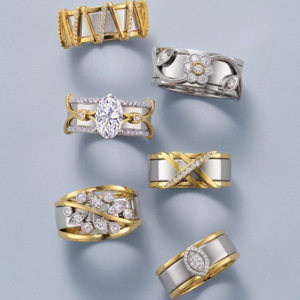
That’s evident with the brand’s new Dreamscape collection, which moves noticeably away from the sort of jewelry that has defined much of the lab-grown category—solitaires, studs, tennis styles—and into something far more playful. Here you’ll find celestial motifs, bright ceramic finishes, Georgian-inspired shapes, reversible elements, and pendants designed to be collected and rearranged.
“Too much of the category has been built around price: studs, engagement rings, diamonds set in a row,” says David Primak, CEO of Sasha Primak, which acquired Ada Diamonds in 2025. “With Dreamscape, we wanted to show that lab-grown diamonds can be worn with imagination and personality.”
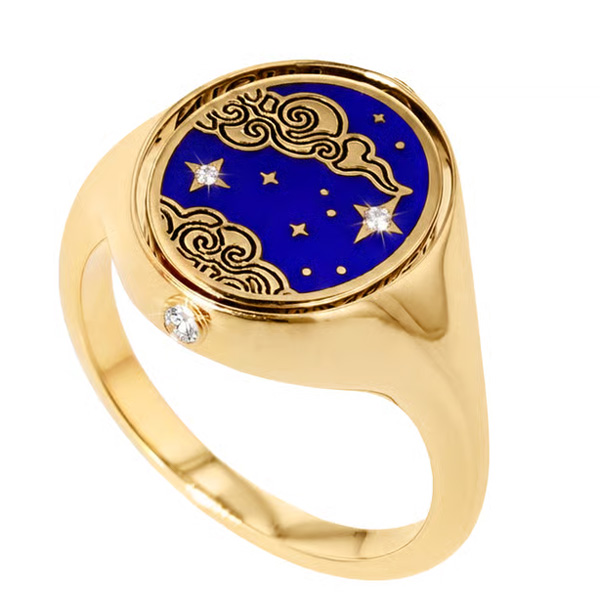
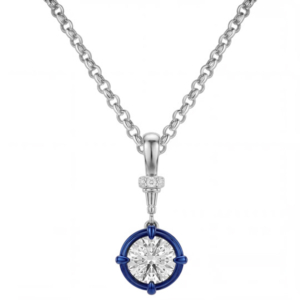
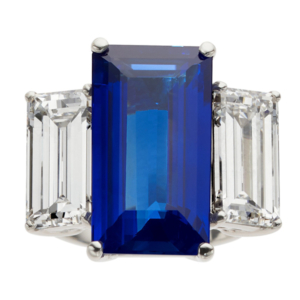
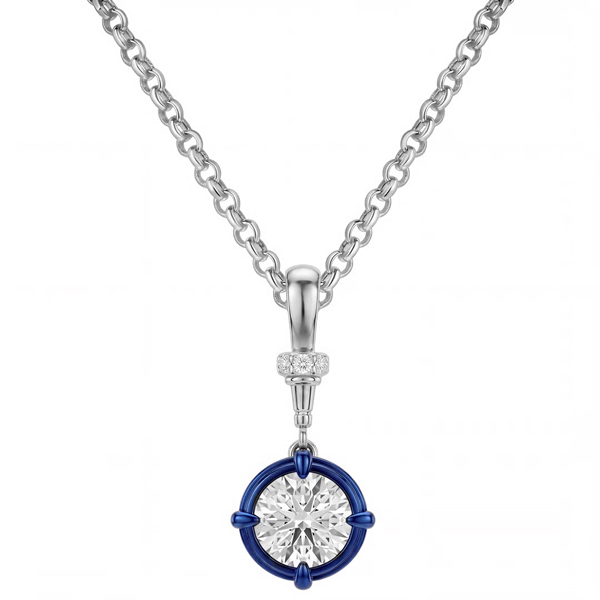
That’s what makes the collection so interesting: The diamonds are still very much the point, but there’s enough going on design-wise that they aren’t the entire point. The Daydream pendant, for example, takes a Georgian-inspired silhouette and gives it a contemporary treatment, while the Midnight Blue version (that one pictured at top really pulled me in first, and there’s a lab-grown sapphire version, too) frames its diamond in a vivid ceramic finish. The Dreamscape flip ring goes further still, with a rotating center that changes between a celestial design, and a surface set with lab-grown diamonds.
That mix of old and new is intentional, and very much in line with Sasha Primak’s guiding philosophy to pair old-world craftsmanship with newer technology. “Traditional designs will never go out of style, but pairing them with something new is what keeps them fresh,” Primak says.
For design director Alicia Arnold, those historical references are also personal. “I spent the early part of my career at the bench restoring antique jewelry, so Georgian silhouettes feel like home to me,” Arnold says. “Dreamscape was a chance to take those shapes and build them with technology that didn’t exist a few years ago.” The technology isn’t limited to the diamonds. Ceramic plating and e-coating bring color into several of the pieces, creating an interesting contrast with forms that otherwise feel rooted in antique jewelry.
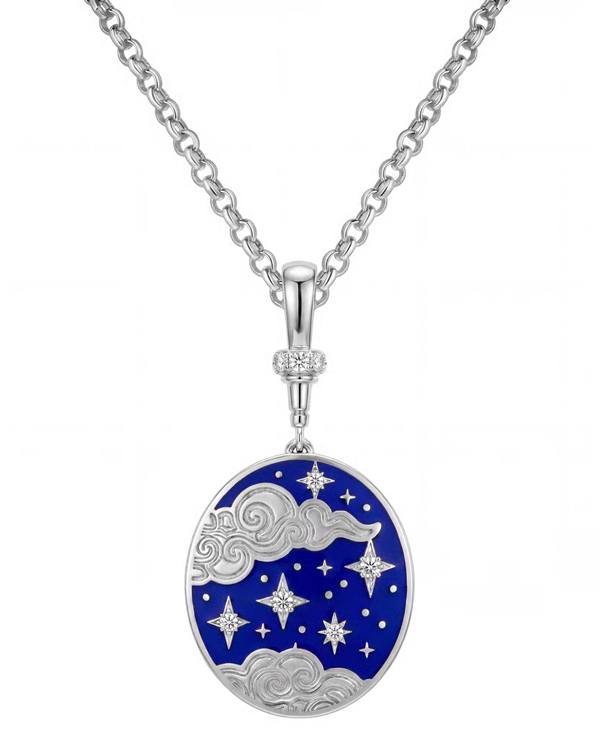
And then there’s the way the collection is meant to be worn. Dreamscape’s pendants aren’t locked into a single necklace arrangement, instead it offers accessories to change it up. Ada’s rolo chain features an openable connector, while its pendant extender allows additional charms to be stacked, removed, and rearranged. Someone could begin with one pendant, add another later, incorporate something of their own, and continually change the composition. “People want personalization in every part of their lives, and jewelry is one of the most natural ways to express it,” Primak says.
That collectibility feels particularly relevant now, with charm jewelry making personalization almost second nature to consumers. But Dreamscape translates the idea into something a little more polished and diamond-forward, with pieces that can carry whatever symbolism the wearer assigns to them—or none at all. “Both, and that’s the point,” Primak says when asked whether he imagines customers choosing pieces for their meaning or simply because they like how they look together. “We gave each charm a dreamlike, imaginative quality, but we left room for the wearer to bring the meaning.”
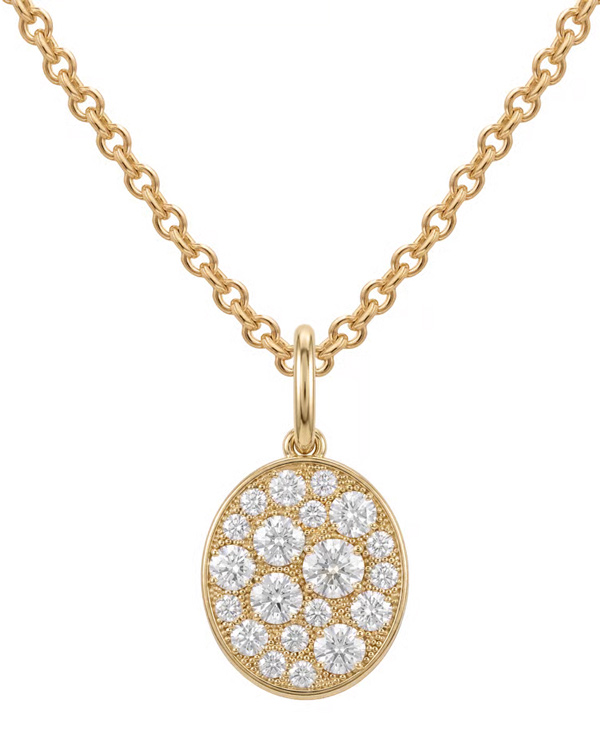
Those in the industry who work with lab-grown diamonds often point to the benefits of pricing, and in design, that gives creators more room to experiment. Dreamscape exemplifies that beautifully. “For a brand our size, some of these pendants would have been cost-prohibitive with natural stones,” Primak says. “Lab-grown gave us room to play with scale and new materials.”
The craftsmanship, Primak is quick to point out, hasn’t been reduced along with the cost of the material. Every Dreamscape pendant is made in Ada’s New York flagship, where it keeps its design and production teams under one roof. CAD designers, bench jewelers, setters, and polishers work alongside one another, and finished pieces undergo multiple rounds of inspection for details including alignment, symmetry, durability, polish, and the integrity of each setting. The brand also benefits from the manufacturing history of parent company Sasha Primak, which has been producing jewelry in New York since 1978.
And there is Dreamscape’s most compelling argument for lab-grown diamonds: not simply that they cost less, but that they can retain a high quality jewel while leaving more room for the design itself.
Top: Midnight Blue pendant in 14k white gold with 1.6 cts. t.w. lab-grown diamonds, $3,300; Ada Diamonds
- Subscribe to the JCK News Daily
- Subscribe to the JCK Special Report
- Follow JCK on Instagram: @jckmagazine
- Follow JCK on X: @jckmagazine
- Follow JCK on Facebook: @jckmagazine