

When talking about the “great wealth transfer,” the widely reported passing of assets from older generations to younger ones, it’s easy to rely on superlatives.
At the JCK show in June, for example, industry commentator Martin Rapaport called it the “greatest transfer of wealth in the history of mankind.” In an article published earlier this year, the Michigan Journal of Economics went a step further: “This transfer in wealth has the potential to significantly alter the general landscape of the United States, impacting the macroeconomy and lives of individual Americans in many ways.”
We are clearly talking about a huge amount of money. The baby boomers are the most affluent generation in American history, accounting for an estimated 51% of the country’s wealth. And over the next few decades, they will die out, leaving their assets to their progeny—Gen X, millennials, and Gen Z.
While hard numbers are difficult to come by, advisory firm Cerulli Associates predicts that members of the boomer cohort—as well as their older compatriots in the Silent Generation—will leave $72.6 trillion in assets to their heirs in the next 20 years. (To put that number in context, it’s more than twice America’s annual gross domestic product.) In many cases, the heirs don’t realize how much money is coming their way: A recent Fidelity survey found that 68% of parents haven’t talked with their children about how much they stand to inherit.
Analysts believe that women will be the largest beneficiaries, as they tend to outlive men, and will gain from both parental and spousal transfers.
Rapaport says all this is great news for jewelers. “What do you think all those wonderful young people are going to do with all that wonderful money that they’re getting in inheritance?” he said in an Instagram reel. “They’re going to spend it on luxuries. Diamonds are luxuries.”
Industry analyst Paul Zimnisky agrees, but thinks the wealth transfer could be a double-edged sword. Inheritances, he says, mostly involve the top 2% of households, which could exacerbate the current gap between those who have money and those who don’t.
“It reduces the productivity of a society when you have a whole bunch of people just living off generational wealth,” Zimnisky says. “What will happen is, the people that have net positive wealth will continue to grow their assets and do things like buy second homes. The people that have negative net worth, who are carrying credit card debt, will continue to fall behind, especially with inflation. You’re already seeing young people finding it too expensive to buy homes.”
Zimnisky says the wealth gap is already affecting the jewelry industry, as the high end is now doing far better than the midrange, once the cornerstone of the industry. “Pandora is leaning into lower price points, below $100,” he says. “Tiffany is spending more money on the high end. The midmarket is struggling.”
But money isn’t the only thing oldsters are handing down. They’re also bequeathing their belongings. And the “great stuff transfer” may also turn out to be as significant for the industry as the wealth version.
Baby boomers and members of the Silent Generation were notorious savers—as well as collectors. Sometimes they collected so many things that descendants aren’t really sure what to do with it all.
Mary Kay Buysse, co–executive director of the National Association of Senior & Specialty Move Managers (NASMM) in Hinsdale, Ill., has found increasing demand for services that clean out old people’s houses. “The oldest boomer is only 79,” she says. “We expect to be very busy for the next few decades.
“Accumulating stuff is just the American way of life,” she adds. “And you’re dealing with a lifetime of possessions. People want to donate their items, but even Goodwill and Habitat for Humanity [stores] are packed to the gills.” As Buysse points out, Goodwill can be selective about items it accepts, and Habitat for Humanity has stopped taking clothing donations. “That’s never happened before. So where does that stuff go?”
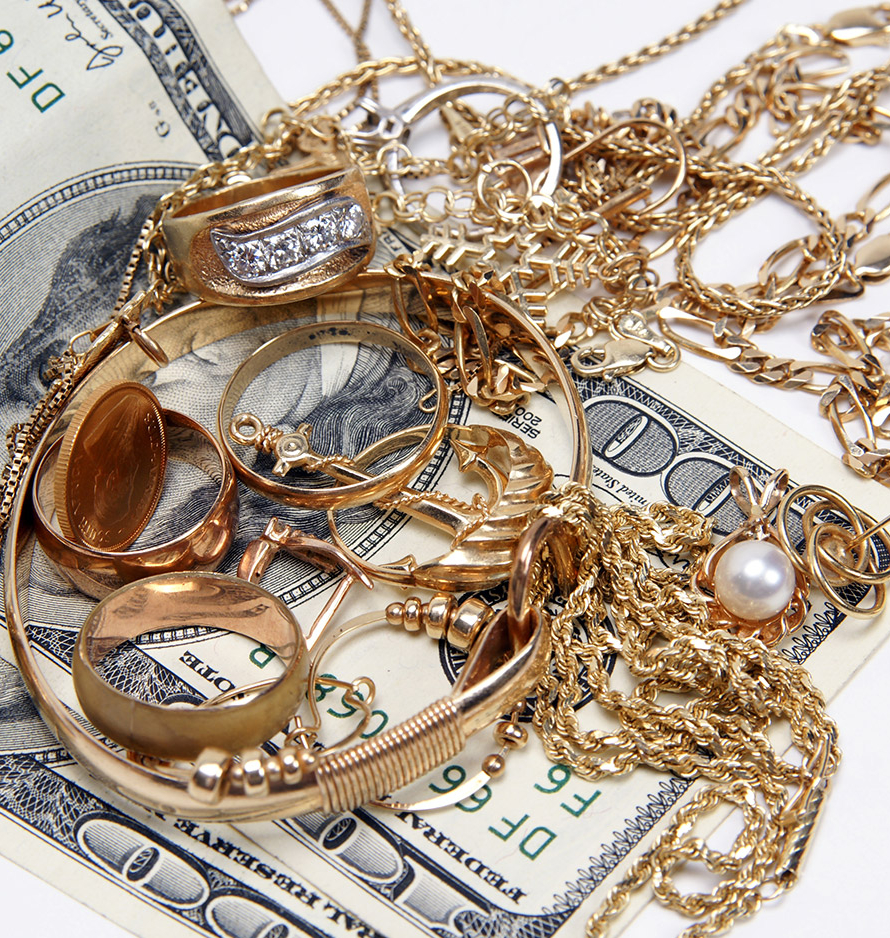
That’s a particularly big question with jewelry, which is unlikely to be tossed in a landfill. In most cases, it’s passed down.
“We are seeing a massive amount of estate jewelry transferring from boomers to their beneficiaries,” says Tim Goodman, CEO of Get-Diamonds, the World Federation of Diamond Bourses’ trading platform. “Think about it: Boomers bought massive amounts of diamond-set jewelry for decades. If you Google De Beers’ annual sales of diamonds from 1964 to today…you’ll see there’s a huge amount of goods that are out there with boomers. And something has to happen to it.”
All of which has led industry prognosticators like Rapaport to proclaim that “the world’s biggest diamond mine is in Florida.”
The owners of these treasure troves are finding different ways to deal with them. New York City estate dealer Rick Schatz has seen a lot more boomers come in to sell their jewelry—because, in some cases, they’d rather not leave their children the burden of divvying up the pieces.
Because jewelry can be emotionally loaded, dividing inherited items can lead to family friction, says Buysse. “Even inexpensive pieces can bring up all sorts of nostalgia and grief,” she says. “And it’s not about money at all. A single piece of custom jewelry can create more division than a basement full of photos.”
But unloading the items can also be a challenge, Zimnisky says. “It’s not easy selling diamond jewelry,” he says. “Gold has a set price. With diamonds, you have to identify the stone and then handle it. A lot of the smaller independent [jewelers] aren’t equipped to navigate that market, especially now with the risk of possibly buying lab-growns.”
In some cases, the heirs decide their best option is to keep the inherited jewels and have them restyled.
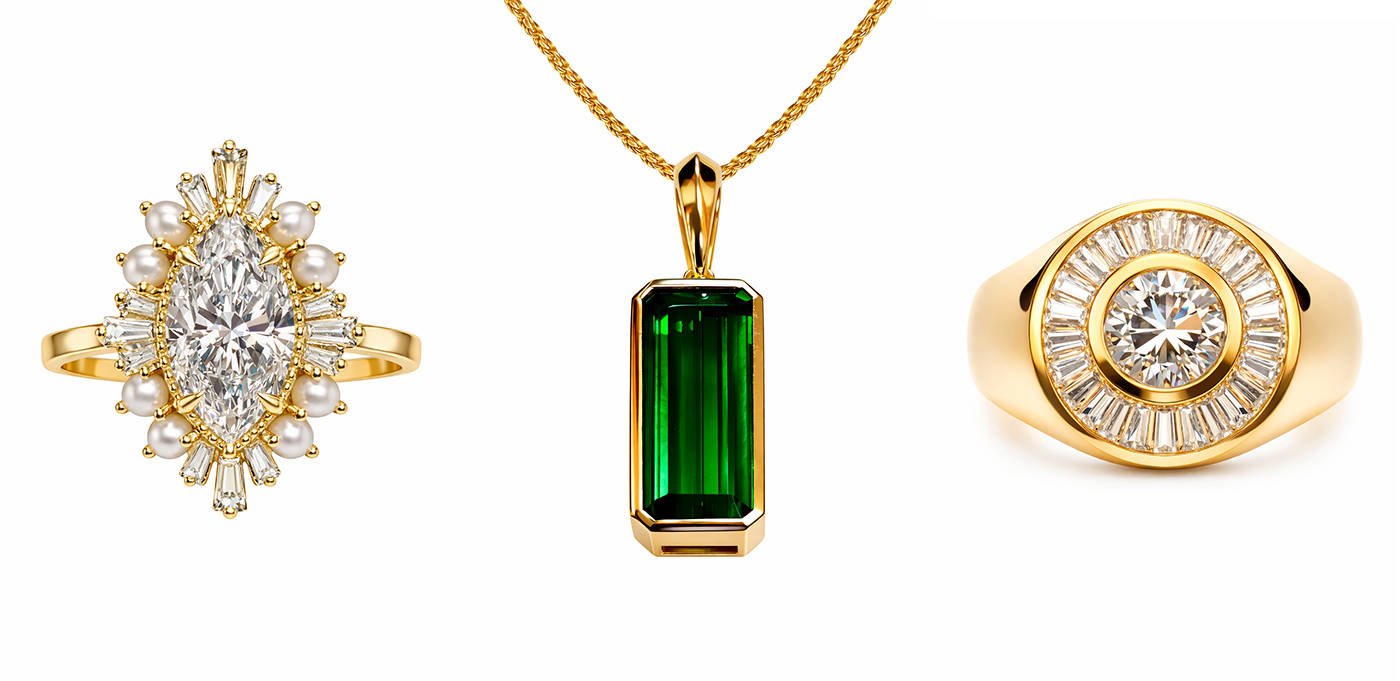
Kunal Mehta, owner of Global Jewelry Solutions, a New York City company that does custom work for retailers, says he’s been getting a lot more orders for heirloom redesigns. “People don’t want to throw away their family items,” he says. “The sentimental attachment is real. So they make it into a more modern style.”
Mehta says heirloom jewelry redesign is also a good business for independent jewelers, because it allows them to “lean into the service DNA of their business.”
Jewelers who want to get into this market should actively promote their buying and restyling services, Goodman says.
And Buysse identifies another opportunity for jewelry retailers. She advises jewelers who are skilled at appraising to get in touch with senior relocation managers in their area, who often need experts to value the pieces they encounter.
As Goodman points out, “A lot of people are struggling to survive. But this massive flow of secondhand goods is a whole new thing.”
(Top photo: Getty Images)