
Michael Geller likes to say he’d be a multimillionaire if he didn’t spend all his money on insurance. He hates risk, and he’s always trying to protect against it. He’s got car insurance, life insurance, home insurance, and, of course, medical insurance. Heck, he even opts in for the protection plan whenever he buys small electronics at Best Buy.
Naturally, Geller made sure that Jaimie Geller Jewelry, the Los Angeles jewelry store he co-owns with his wife, Jaimie, was covered for just about anything.
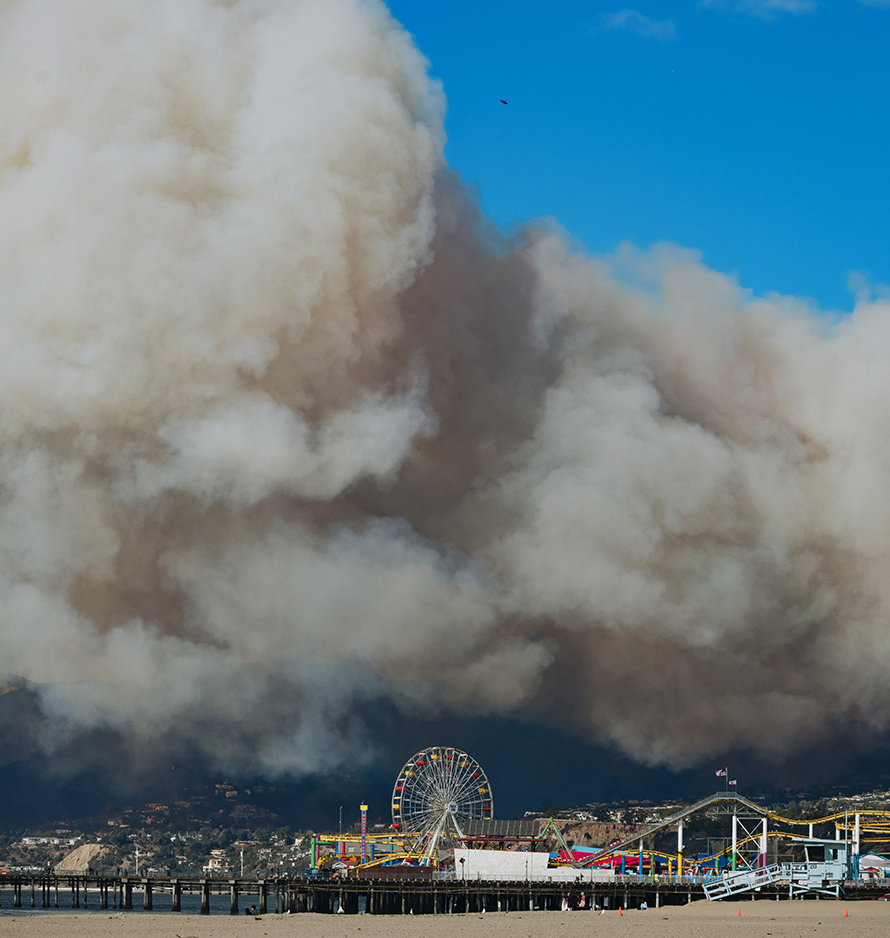
Then, in January, the Pacific Palisades Fire burned nearly the entire neighborhood to the ground.
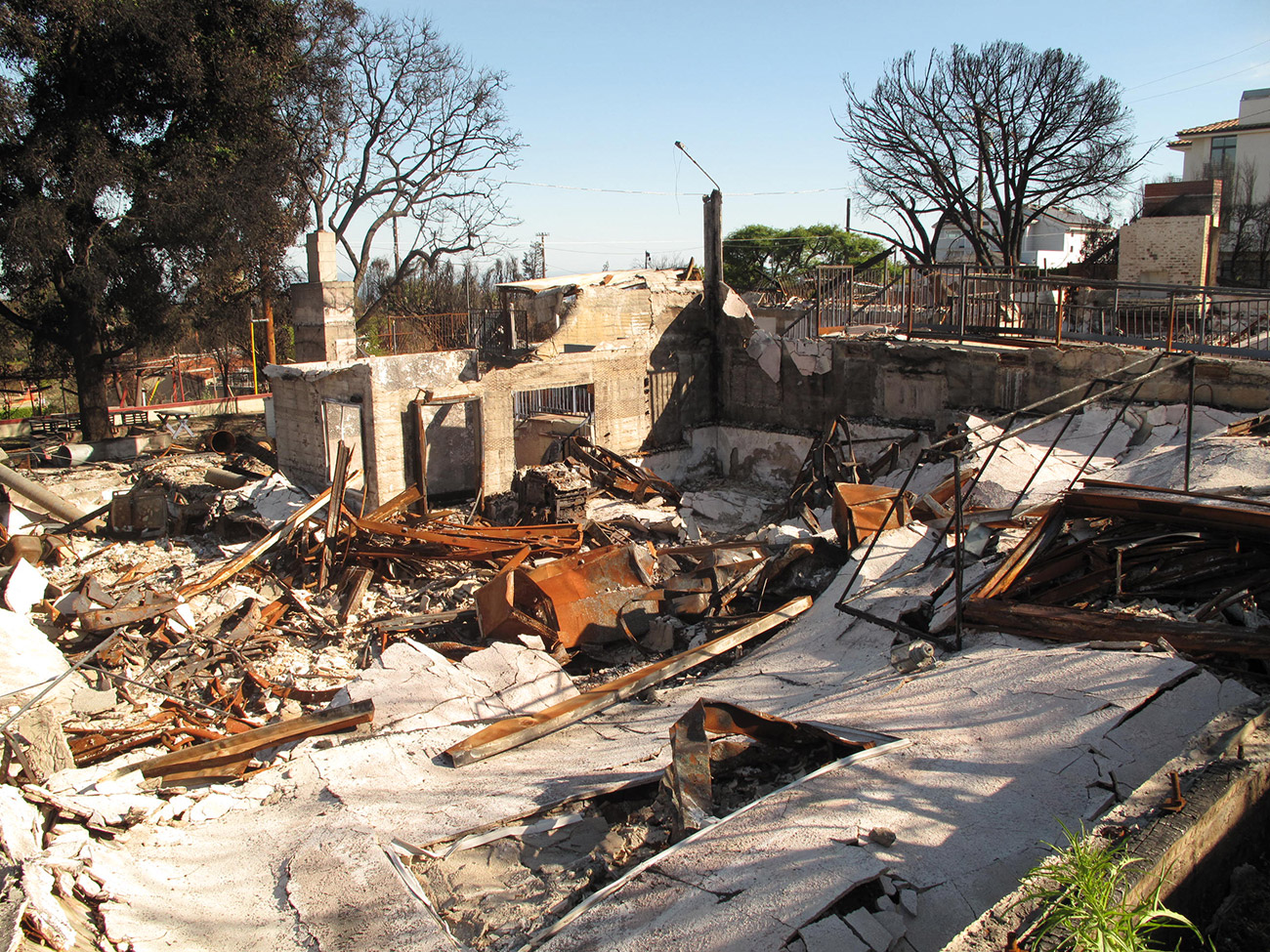
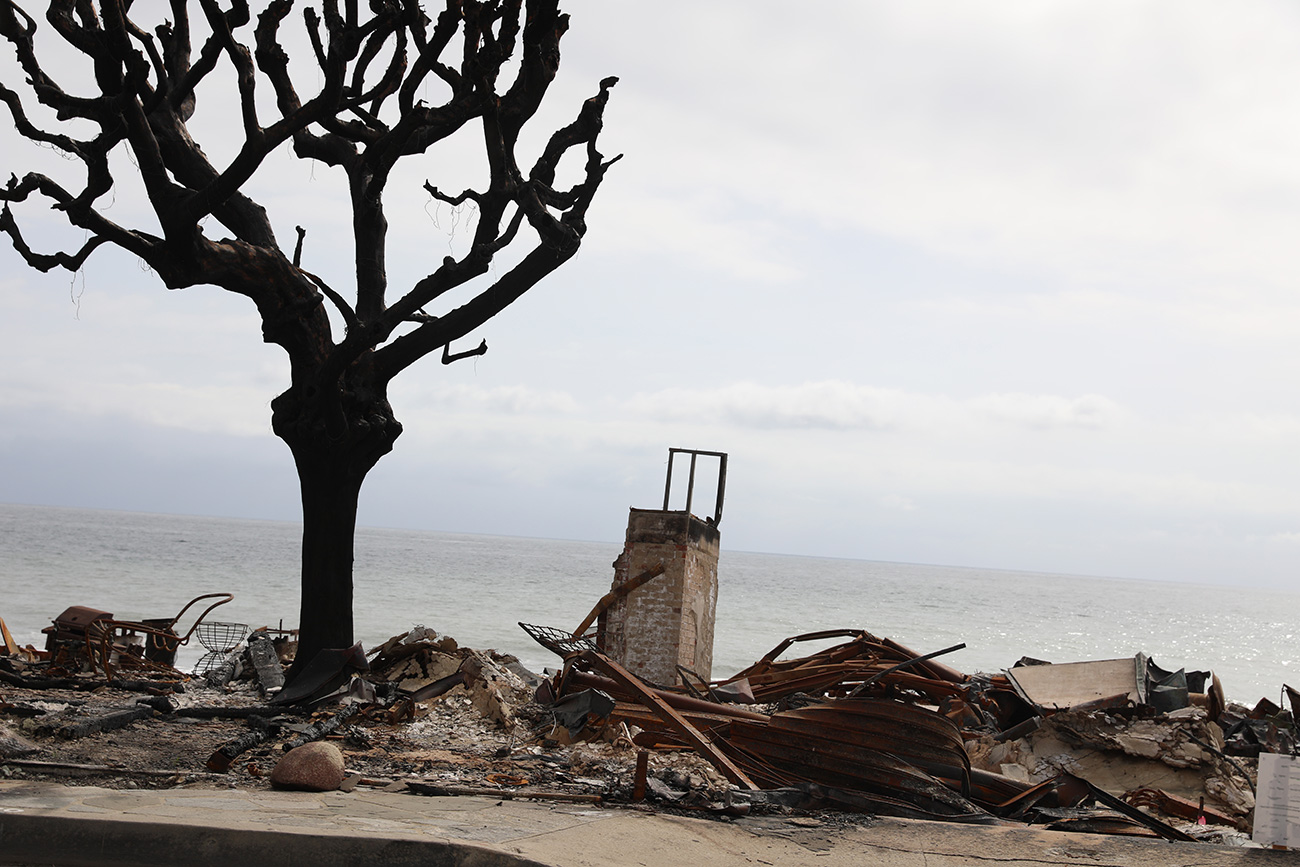
The fire leveled the jewelry store and burned so hot that the contents of Geller’s fire-resistant TRTL30x6 safe were melted to the inside walls. The Gellers lost their home, too.
In all, the Palisades and Eaton fires scorched whole swaths of Los Angeles and caused between $28 billion and $53.8 billion in property damage, with business disruptions projected to result in economic losses of up to $8.9 billion over the next five years.
Among the losses were dozens of jewelry stores.
Thankfully, with separate policies from The Hartford and Lloyd’s of London, the Gellers were carrying $3 million worth of coverage—insurance that should afford their business the opportunity to survive the next few years and eventually reopen in a new location. (Currently, in addition to e-commerce, the store offers by-appointment shopping, in addition to rotating special events and trunk shows in a new private space.) For this reason, their takeaway has been simple: You can never have too much insurance.
“We [jewelry store owners] spend hundreds of thousands of dollars on insurance, and the first thing I think we all worry about is theft,” Michael Geller tells JCK. “For most of us, natural disasters aren’t even a question—until they happen. That’s when you want to be covered.”
Geller raises a timely question: Does it pay to insure a jewelry business against natural disasters? Like most business decisions, the answer depends on whom you ask.
Just the Basics
Insuring a jewelry business against natural disasters has unique opportunities and challenges, according to Joshua Carmichael, director of commercial lines at Jewelers Mutual, a company in Neenah, Wis., that provides insurance to more than 10,000 jewelry businesses and individual artisans worldwide.
Getting insurance for a jewelry business is different from buying insurance for other types of businesses “because jewelry businesses have a unique combination of high-value inventory, mobility, and risk exposure that requires specialized insurance expertise and coverage,” Carmichael wrote in an email. “Jewelry businesses can often customize their coverage based on their specific needs and risks, and [they] may also choose to add coverage or endorsements as necessary.”
Most insurance companies offer basic insurance for jewelry stores. At Jewelers Mutual, its jewelers block policy is tailored specifically for those in the jewelry industry and covers any type of jewelry from damage or loss due to theft, robbery, shipping problems, travel-related incidents, and breakage. It also covers common natural disasters such as fire, smoke, and high winds. The policy even protects stock on memo or consignment, goods in process, raw materials, and customers’ property entrusted to the jeweler.
In addition to jewelers block, Jewelers Mutual offers a business owner’s policy (BOP) that provides essential coverage for everything in the store that is not jewelry: cases, furniture, computers, and safes. This policy can include loss-of-income coverage for a prescribed period while the jewelry business gets back on its feet following a covered loss that shut down or impeded operations.
Geller has a BOP through Lloyd’s of London that provides loss-of-income coverage for up to 12 months, and says he plans to take full advantage of the benefit for as long as he possibly can.
Elsewhere in the Palisades, the family behind David Tishbi Jewelry has had a notably different experience.
The Tishbi store also was destroyed by the Palisades Fire. The family lost molds, inventory, tools, and benches in the blaze. While the Tishbis had jewelers block coverage to protect against much of the fire damage, they did not have a BOP. As a result, the family has received no insurance money to make up for the loss of income they incurred in the months after the fire, according to co-owner Holly Surya-Tishbi.
The Tishbis certainly tried to improvise. Initially, their son launched a GoFundMe page to collect donations from the community. Now the family is using its own money to keep the business afloat.
“It took us 26 years to build up our business, and we’ll do whatever we can to survive,” Surya-Tishbi says. “We have a very long road ahead of us.” [Ed. Note: David Tishbi has now reopened in Santa Monica.]

Protection Based on Probability
Lots of different natural disasters can befall a jewelry store.
In the United States, the three most likely risks are fire, earthquake, and flood. Generally, damage from fire and storms (high winds) would be covered with basic jewelers block coverage, while earthquake and flood coverage would necessitate additional line-item policies called “riders.” In some cases, especially as the weather is becoming more extreme due to climate change, riders can be just as expensive as the baseline policy itself, depending on mitigating factors such as location and recent history.
What’s more, coverage for natural disasters isn’t one-size-fits-all. Policies can differ widely in what they include, and certain types of events—named storms, or electrical problems due to lightning, for example—may be subject to exclusions or special deductibles. Carmichael says reviewing policy details and working with a knowledgeable insurance agent are keys to ensuring the right protection is in place.
For business owners, probability drives most of the decisions around adding coverage for specific disasters. In Des Moines, Iowa, for instance, flooding is more of a threat than earthquakes, so business owners are more likely to purchase additional insurance to protect against that. Similarly, in Chicago’s urban environment, wildfires haven’t been a legitimate threat since the blaze of 1871, so the need to insure against them is small.
Paradoxically, as natural disasters occur more frequently, the harder it is to find a company that will sell insurance policies against them. Insurers may become more cautious, increase premiums, or even refuse to write new policies in high-risk areas. In the northern part of the San Francisco Bay Area, for instance, following consecutive summers of wildfires, several insurance companies tried to limit coverage against future conflagrations. Still other companies continued to make fire coverage available but jacked up their prices.
Debbie Fox, owner of Fox Fine Jewelry in Ventura, Calif., says this characterizes her experience. “I get quotes from different carriers every few years [and] compare them based on coverage and the company’s stability and reputation in regard to claims,” she says. “Our premiums are higher due to our California location.”
Finding Balance
Once you have found a carrier to provide insurance for your shop, the next logical question is: How much insurance should you purchase?
The right answer is going to be different for everyone. As mentioned earlier, Geller carried policies totaling around $3 million. Tishbi carried about $1 million. There’s no limit to the amount of insurance you can purchase for your business, provided you’re able to pay for it.
Carmichael says if a jewelry store owner has questions about how much insurance to purchase, an agent can help.
Without question, the biggest concern for jewelers is the risk of underinsuring. This means it’s crucial to review policies and discuss options with an agent to guarantee adequate protection. Even if your store has insurance to cover damage from a disaster itself, it may be prudent to take out a BOP to guarantee seamless operation of the business under any circumstances.
For those who want the comprehensive coverage, some insurance companies sell umbrella policies that fill in gaps left by jewelers block and BOP products. Some of the options covered under these include appraisal liability, employment practices liability, data breach and cyber-related protection, trade show coverage, hired and non-owned auto liability, stock disappearance, and workmanship.
Whichever insurance coverage you choose to protect your business from natural disasters, one thing is certain: Insurance is a non-negotiable.
“Don’t wait for tomorrow,” Surya-Tishbi says. “Things happen. You must protect your livelihood.”
Top: Plumes of smoke from the January 2025 Palisades wildfire above the Santa Monica beach and pier (photo: Getty Images)