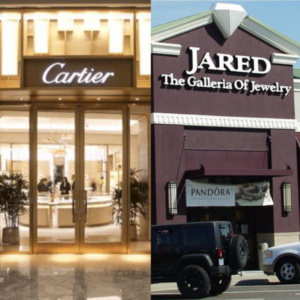

Consumers prioritizing spending to show love for family and friends despite economic challenges will push retail sales during the all-important holiday season to an anticipated $1.013 trillion, growing 4.2% over 2025, the National Retail Federation (NRF) predicts.
The NRF was mostly optimistic yet a wee bit cautious in its annual holiday forecast, which it shared with media during an Oct. 15 conference call. NRF leaders said they took inflation, gasoline prices, consumer debt, and relatively low wage increases into consideration when coming up with this year’s numbers. For reference, 2025 holiday sales rose 3.1% over the previous year for a total of $972 billion.
“The resilient consumer…is the unsung heroes of our economy,” said NRF president and CEO Matthew Shay on the media call. “They’ve repeatedly shown that the holidays and spending on loved ones are priorities.… We’re confident that pattern will continue through 2026.”
NRF chief economist and executive director of research Mark Mathews agreed, noting that there have been 12 consecutive months of overall retail sales growth going into the holiday season. However, he added that individual households will vary depending on income level, the feelings they have about their wealth, and their exposure to everyday rising costs (e.g., gasoline).
Key gifting categories such as electronics are likely to feel an effect as consumers in lower-income households pare back on the holidays, Mathews said. But higher-income families are likely to shop till they drop to show their love. Overall, it is still a “K-shaped economy,” he said, and consumers are being deliberate and value-conscious.
“We head into the holiday season with strong spending momentum as consumers remain the bright spot in the economy. At the same time, inflation, rising gas prices, and pressure on household spending will affect consumers differently across income groups,” Mathews said.
AAA said on Thursday that the national average for a gallon of regular gasoline is down a couple of cents from last week at $4.33. Gas prices are maintaining their higher-than-usual levels as crude oil prices soar, nearing $100 per barrel. The national average has stayed above $4 per gallon since late July.
As for holiday hiring, the NRF predicted retailers will stick to their “low hire, low fire” mentality, estimating stores will hire between 325,000 and 375,000 seasonal workers—comparable to last year’s estimated 356,000 seasonal jobs.
Other holiday forecasts also are rosy. NRF’s forecast is similar to that of Bain, which forecast 4.5% growth for the holiday shopping season, which traditionally is Nov. 1 through Dec. 31.
Bain also predicts retail sales for the five-day period between Black Friday and Cyber Monday to be around $85 billion this year, accounting for about 8.5% of total holiday season spending.
The Mastercard Economics Institute’s annual holiday forecast for the United States expects retail sales, excluding automobiles and gas, to increase 5.5% year over year between Nov. 1 and Dec. 24, based on SpendingPulse insights, which represent in-store and online spending across all forms of payment. That would mark the strongest holiday growth since 2022.
PwC is a little less confident in its prediction. It projected holiday sales to dip 2% year over year. On average, it said consumers expect to spend $708 on gifts this year. And unsurprisingly, kids keep the spending high: Households with children expect to spend more ($875) compared with households without children ($635).
“Holiday budgets may be shrinking, but consumers are prioritizing their spending on gifts and the traditions that matter to them. Well-timed promotions, thoughtful in-store moments, and products that fit into the rituals people aren’t willing to give up can all help turn a cautious shopper into a confident one,” it said.
(Photo: Getty Images)
- Subscribe to the JCK News Daily
- Subscribe to the JCK Special Report
- Follow JCK on Instagram: @jckmagazine
- Follow JCK on X: @jckmagazine
- Follow JCK on Facebook: @jckmagazine