
Inflation, tariffs, and gold-price spikes reshape entry-level price points—while lab-grown diamonds and natural-stone nostalgia pull the industry in new directions
Despite stubbornly elevated inflation, punishing import tariffs, and an uncertain consumer outlook, the resilience of the American economy defied expectations in 2025. Prospects for continued growth in the year ahead, however, are far less certain.
“We’ve been relatively surprised at how jewelry sales have held up despite growing pressure on the consumer,” says Jim Sanderson, managing director and equity research analyst at Northcoast Research in Cleveland. “The industry’s been very nimble,” he adds. But he worries that consumer stamina is beginning to flag.
“Could there be a point of resistance?” Sanderson asks. “I’m a little bit worried about that.”
There is evidence that the economy could be reaching a tipping point. An October analysis by Moody’s Analytics chief economist Mark Zandi found that nearly half of states are either in recession or on the cusp of one. In the final quarter of 2025, a protracted government shutdown drove a benchmark consumer sentiment metric down by almost 30% from a year earlier to a near-record low.
Here are the dynamics jewelry professionals are closely watching, where they stand today, and how they’re positioning themselves for the year ahead.
Two Types of Customers
Higher material costs have pressured jewelers’ margins and driven up retail prices, as store owners navigate a divergence of demand: Stock market and home equity gains have buoyed affluent consumers’ confidence, while persistent inflation and a worsening job market have eroded spending power and confidence of lower- and middle-income households. In what’s dubbed a “K-shaped economy,” the income and spending of affluent customers trend upward, while the fortunes of the less affluent drop down—resembling the letter “K.”
How—or even if—to meet these two groups where they are is a thorny question, says Abe Sherman, CEO of Napa, Calif.–based Buyers Intelligence Group. “Consumers in most markets have always been bifurcated,” he says. “The difficult choice for retailers is to decide who they want to be in their marketplace.”

At the lower end, marketing and merchandising strategies need to be laser-focused on price. While affluent consumers are still spending, executives say the bar to convert browsers to buyers is higher, requiring more personalized sales and marketing channels. During Signet Jewelers’ quarterly earnings conference call in September, CEO J.K. Symancyk said that to connect with consumers today, more than one-quarter of the company’s marketing spend goes to social media.
Among independent retailers, clients are still buying fine jewelry—but prudence is the name of the game.
“We’re seeing a ‘fewer, better things’ mindset, with people buying with intention, not impulse,” says Alexis Padis, president of San Francisco–based Padis Jewelry. “The very high end will stay healthy, but it will demand concierge-level service,” she predicts.
At Waterville, Maine–based Day’s Jewelers, “the tempo of sales has slowed down,” says vice president of merchandising Julie Collins. “We’re not seeing those really quick purchases.”
Rethinking Entry-Level Prices
The ongoing upheaval of tariffs has had a broad impact on jewelers’ own supply chains as well as consumer enthusiasm, particularly in combination with the spot price of gold, which has increased around 60% over the past year, peaking at nearly $4,400 in late October.
Karen Goracke, president and CEO of Omaha, Neb.–based Borsheims, says she’s concerned. “It’s harder for people to find things within their budgets,” she says, “especially in that $500 and less range.”
With fewer choices for the most price-sensitive customers, the industry is redefining “entry-level” pricing. “It used to be in that $99 price range,” Collins says. “I really feel like that’s gone away, even in the silver category.”
Collins predicts that the new floor for entry-level purchases will increase to between $200 and $500, and that sales volume will contract as shoppers consolidate their spending. “I think we’ll see a shift into some of those higher price point pieces because customers are really willing to invest in better pieces versus a volume of pieces.”

Creative Responses to Gold Prices
“The holding cost of gold right now is a hard thing for customers,” says Dennis Claspell, vice president of sales and marketing at Rio Grande, a jewelry equipment and supply company in Albuquerque, N.M.
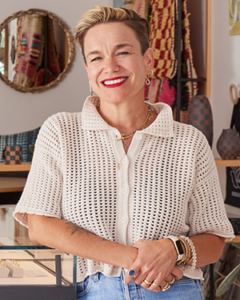
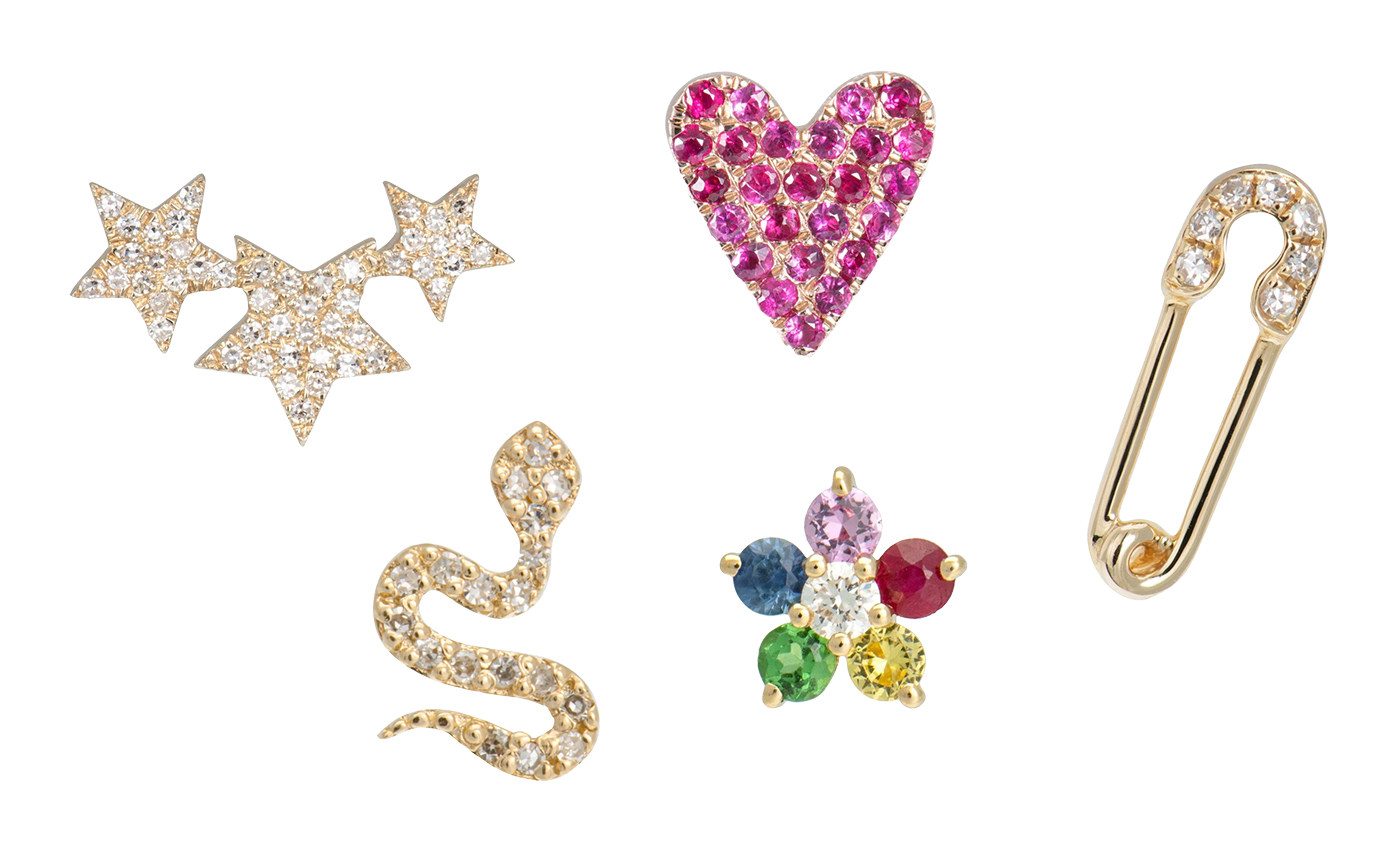
While jewelers say they’re absorbing some of the increase at the expense of profits, they also are finding ways to use less gold in order to hold the line on prices. “Our designs are changing to be lighter,” says Lauren Wolf, designer and founder of Esqueleto, with retail shops in California and New York City. “It’s just too expensive to continue doing what we’ve always done.”
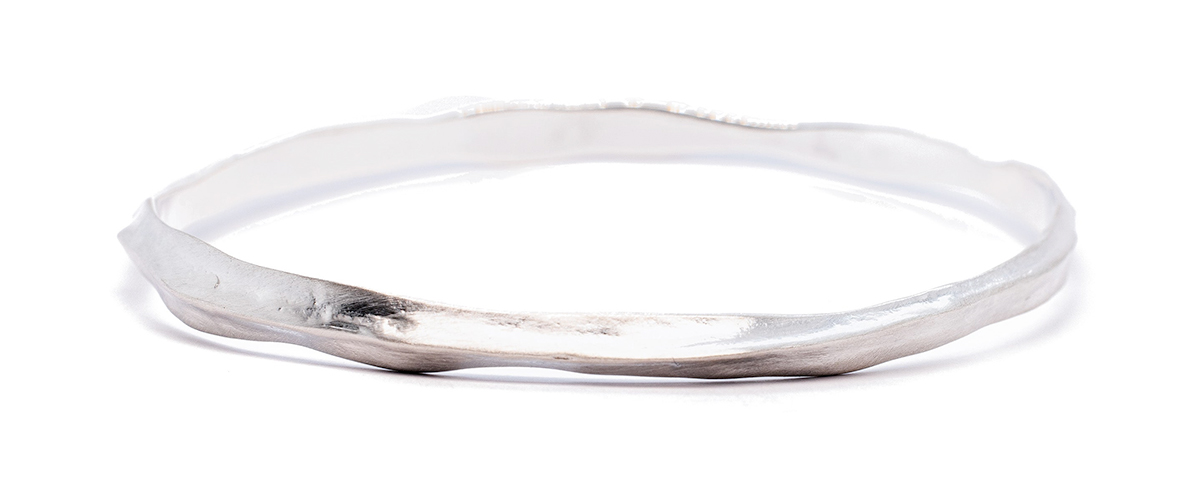
Padis is another jeweler who says she is leaning into “smarter” design. “We’re embracing negative space and revisiting heritage techniques that create visual presence without excess weight.”
Some industry pros say they’re offering more pieces in 14k gold and even 10k in response to consumer demand, while others are incorporating non-gold metals to blunt the price impact.
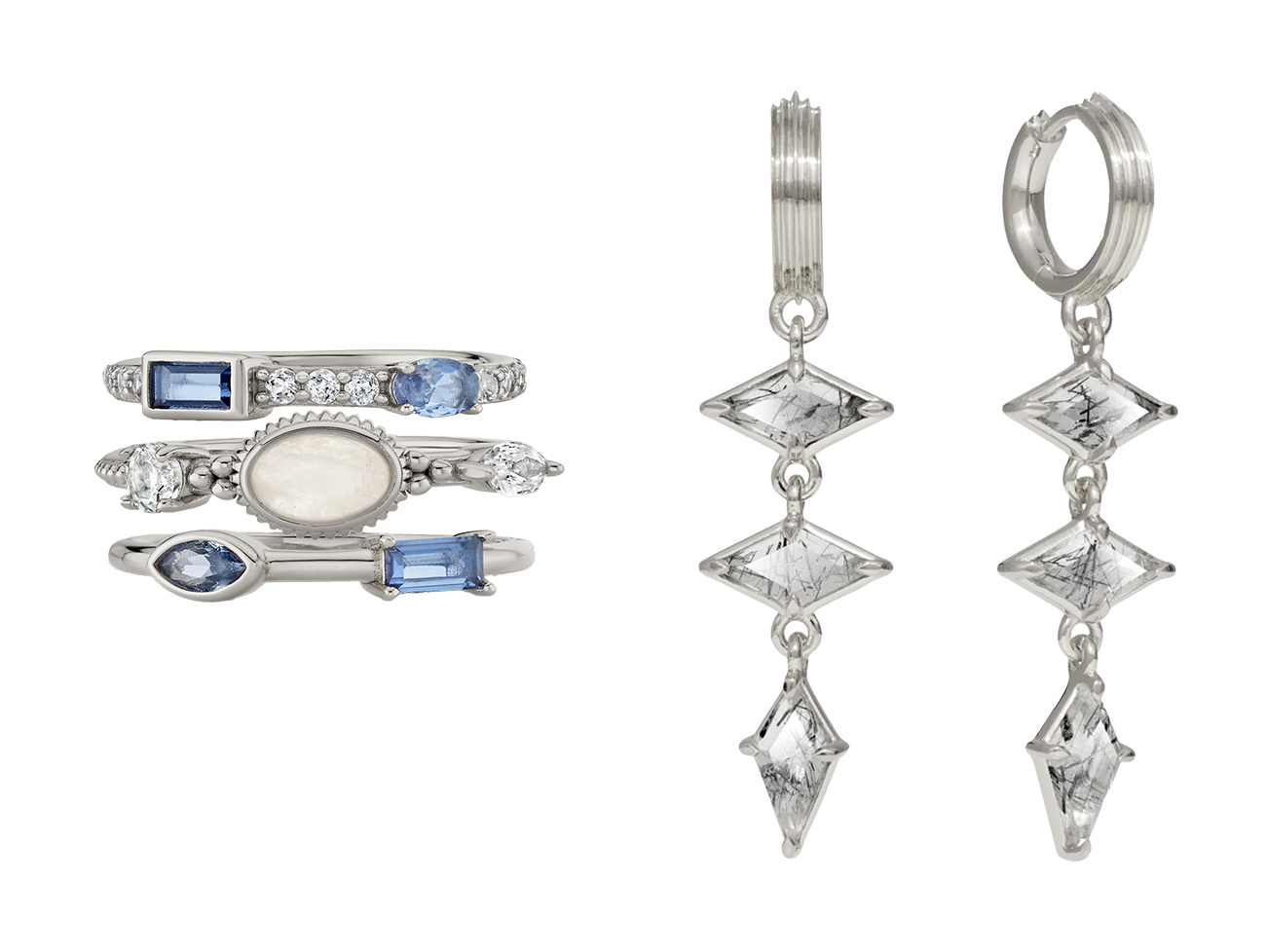
“We are reintroducing silver to our collection over the holidays in very limited amounts,” says San Francisco–based designer Rebecca Overmann. “We had a lot of clients coming in and asking for it.”
At Rio Grande, more customers are opting for gold alternatives such as electroform and plated, Claspell says. At the higher end, he says demand for platinum has increased—suggesting that gold’s volatility is a challenge across the board.
Lab-Grown Diamonds to the Rescue
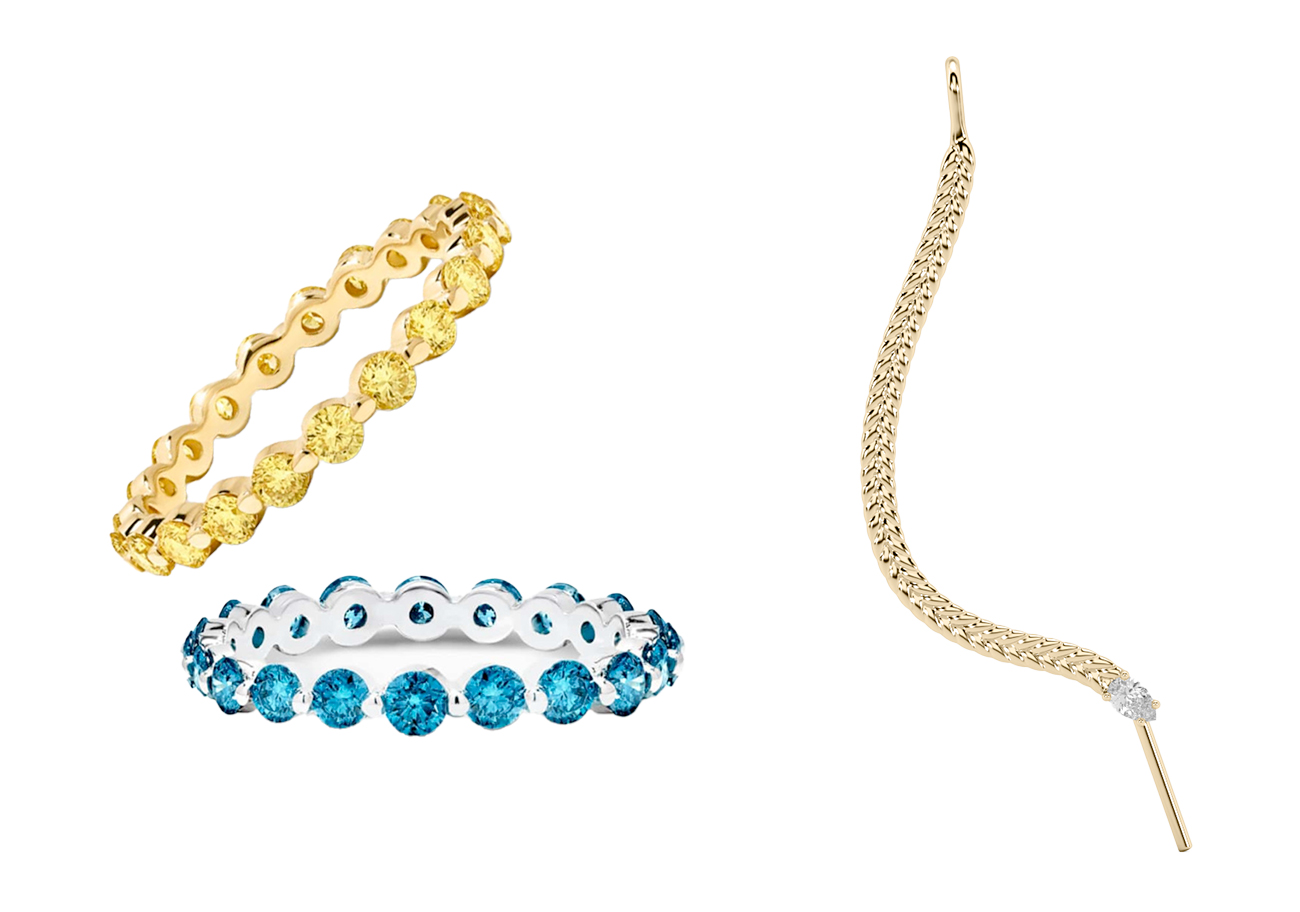
As lab-grown diamonds (LGD) flood the market, analysts say the disruption has a silver lining for retailers: Designers and brands have been able to incorporate them into a much wider variety of styles and at lower price points.
“We expect the number of LGD fashion pieces on hand at price points below $1,000 to be up at least threefold from last year, with even higher growth below $500,” Signet’s Symancyk told investors in September.
Using lab diamonds to add value to more affordable fashion lines helps balance out higher gold costs, industry analyst Sanderson says. “It’s given them a little bit of latitude to offset some of the gold inflation.”
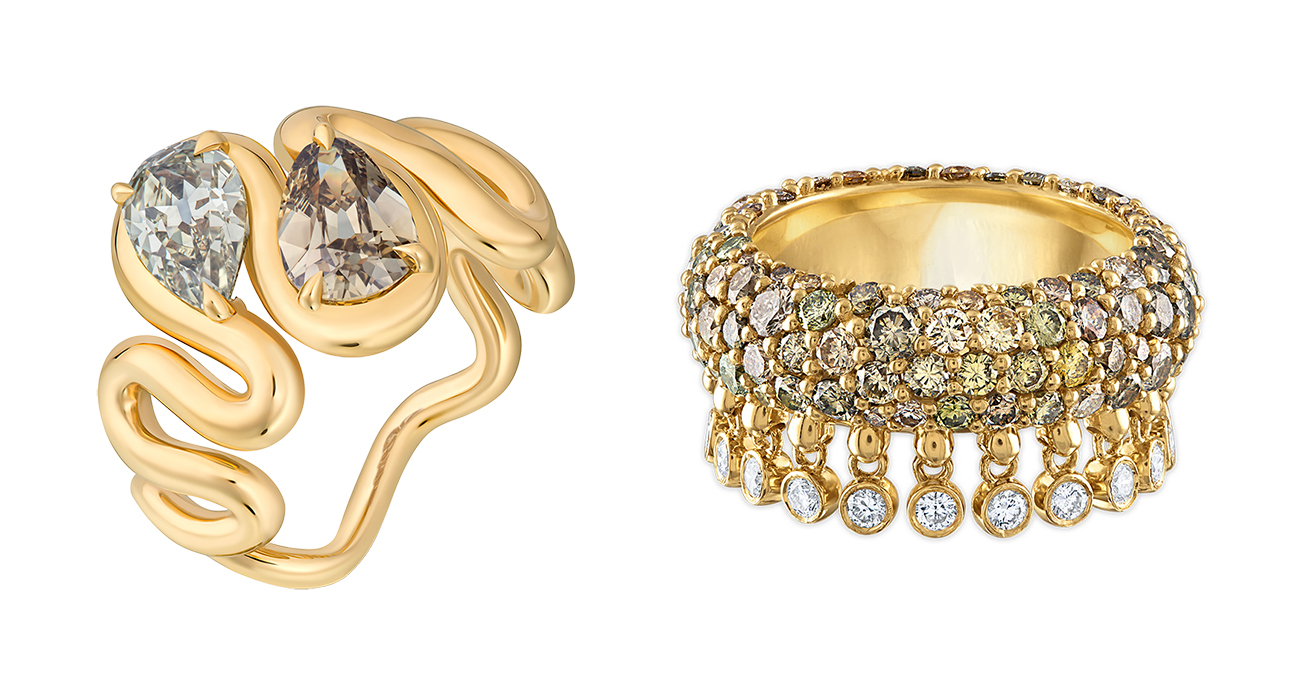
A Boost for Mined Diamonds
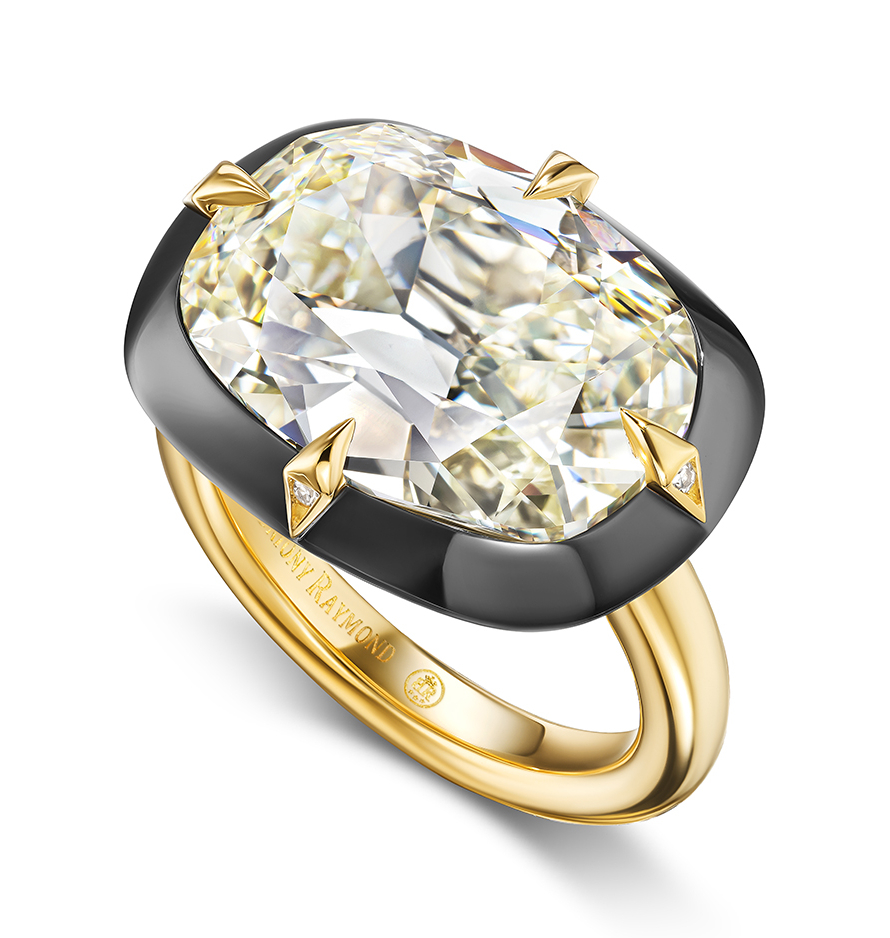
At higher price points, the growing ubiquity of lab-grown stones in both fashion and bridal designs has spawned an emergent countertrend that favors natural diamonds, which lack the aesthetic uniformity of their lab counterparts.

“There seems to be a slight fatigue around that ‘big, white’ conversation,” says Sally Morrison, natural diamonds market lead for the United States at De Beers Group. “There’s newer interest in these softer whites.”
Pop star Taylor Swift’s eye-catching old mine–cut engagement ring increased awareness of and interest in warmer diamond hues as well as vintage cuts and settings. “You’re seeing this big shift back to more of a natural stone,” Esqueleto’s Wolf says.
De Beers’ Desert Diamonds initiative is helping fuel that trend at the brand level, promoting the warmer hues and natural variations present in mined stones.
These characteristics quietly telegraph the greater rarity—and higher price—of mined diamonds, appealing to customers looking for understated luxury, says Paul Schneider, co-owner of Portland, Ore.–based retailer Twist. “Anybody can wear bling now,” he says. That might explain why, according to Schneider, plenty of consumers are saying, “I’m looking for something with more personality.”
Top: Shadow antique cushion-cut diamond ring in 18k yellow gold, price on request; Briony Raymond