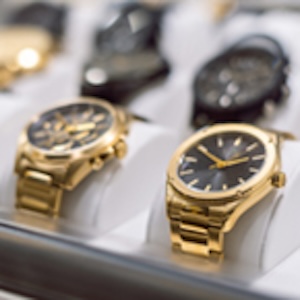
A majority of consumers (60%) prefer to buy luxury watches at brick-and-mortar stores, according to a poll conducted for Deloitte’s Swiss Watch Industry Study 2025.
The survey, which questioned potential watch buyers in the main markets for Swiss watches, found that 38% of respondents preferred to buy watches at a multi-brand store, versus 23% who favor mono-brand boutiques.
When asked why they prefer in-store shopping, 51% of respondents cited “the ability to try, test, and feel” the product; 44% said they enjoyed the “human contact” or had a “personal relationship” with the retailer; 39% pointed to convenience or proximity; 32% were fans of the store experience; and 31% noted that shopping in-person had no waiting period to receive product.
Industry executives surveyed for Deloitte’s study, meanwhile, reported that just 10% of their sales on average come from online channels. Some 16% of brands don’t sell online at all, according to the survey.
Among its other findings:
– Pre-owned watches remain popular, especially among younger consumers. Some 40% of millennials and Gen Zers said they hope to purchase a secondhand watch in the coming year, compared with 30% of Gen X and baby boomers.
Still, a quarter of executives said they aren’t moving into certified pre-owned, and 24% don’t actively manage the resale of their brand’s timepieces. Even among companies that do dabble in the sector, a majority of execs polled said they devote less than 15% of their marketing budgets to it—62% spend less than 1%.
Despite this, the report noted that the general trend is for more brands to get involved in selling secondhand.
“What was once a largely unregulated secondary market has become a formalized, strategically managed channel that complements—rather than competes with—the sale of new watches,” the report said.
– Consumers remain interested in the value retention of watches. Some 16% of respondents said they consider “resale value” when buying a new timepiece. Among secondhand buyers, just 5% said they planned to resell their watch soon after they bought it, even as 17% viewed their purchases as “investments.”
– The 39% U.S. tariff on Swiss imports that went into effect this summer have injected “new uncertainty” into the market, the study said. It noted that major watchmakers such as Rolex, Patek Philippe, and some Swatch Group brands have instituted U.S. price increases this year.
“These prices are liable to affect consumer demand,” according to Deloitte. “Other brands are reportedly holding off from raising prices and attempting to absorb or pass on costs, but this, too, is likely to change if the tariffs remain in place.”
Executives in the survey also expressed concerns about the ever-increasing gold price, weak demand in major markets (including the U.S.), and the current strength of the Swiss franc.
The poll questioned 6,500 consumers in the United States, China, France, Germany, Switzerland, the U.K., Italy, Hong Kong, India, Japan, Singapore, and the United Arab Emirates.
(Photo: Getty Images)
- Subscribe to the JCK News Daily
- Subscribe to the JCK Special Report
- Follow JCK on Instagram: @jckmagazine
- Follow JCK on X: @jckmagazine
- Follow JCK on Facebook: @jckmagazine