


Jewelry designers, here’s a challenge: Go to your company’s website, read the “About” section, and carefully consider how it portrays your business.
Be honest! Is your brand biography rife with cliches? Are the details scant? Is the content perfectly bland? If you answer “yes” to any or all of these questions, you’re missing one of the best opportunities to connect with your customers, according to branding and marketing experts. And if the site uses generic product descriptions or you’re failing to regularly update the blog section, you’ve likely left money on the table.
“Detail is what sets the interesting, compelling biography apart from a more generic-sounding one,” says Laryssa Wirstiuk, founder and creative director of Joy Joya, a jewelry marketing firm in Glendale, Calif., and author of Jewelry Marketing Joy.
“I used to teach creative writing, and you could see in the students’ work who gets it and who doesn’t,” Wirstiuk says. “The difference is in the detail. How are you pulling me into this moment? The only way to ground someone is to make them feel like they are there with you.”
Wirstiuk says designers sometimes resort to the “jewelry bingo card,” overusing industry tropes rather than meditating on what truly makes them interesting. Look back at your life, share the highs as well as the lows, and use sensory words to take people into your unique world. “Your brand values need to come from a personal, authentic place,” she says. “I suggest to some clients that they get a journal and set aside five minutes a day just to write something. You may not even be aware of the feelings, thoughts, and perspective you have. Jot it all down.”
JCK asked four designers known for their strong points of view to share the things they have to say about themselves online. Below is their advice on how to write an original “About Me” page, ways to connect with clients on social media and blogs, and ideas to keep your biography fresh.
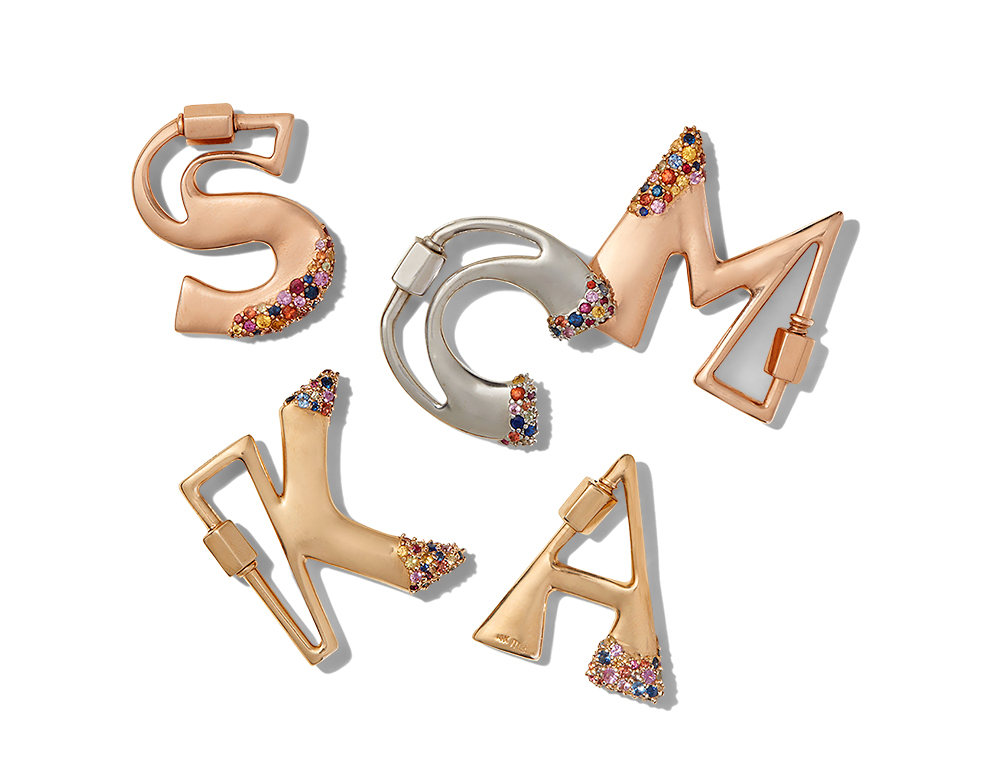

Marla Aaron
“Everything stems from the story we want to tell.”
The New York City–based designer creates mechanism-inspired jewelry meant to satisfy with every snap, click, and roll. Aaron says everything that comes out of her studio, whether it is jewelry or marketing, centers on telling that story and no other.
“Don’t miss any opportunity to tell people what they should know,” Aaron says. “Everything stems from the story we want to tell, and everything is iterative. There is only one way we talk about our pieces, and we talk about them the same way everywhere.”
The messaging, which often hits on Aaron’s obsessions with bridges, hardware, and jewelry, echoes themes of work and play. Take her April Fools’ Day Instagram post, for example. Centered on an image of a basketball hoop featuring a net made not with string but with Marla Aaron gold chains and carabiners, the accompanying caption reads: “No jokes here. We take playing with jewelry VERY seriously. Some background for you. Making a hoop out of our precious pieces was a dream, not an April Fools joke. We did it in Red Hook Brooklyn, and we shot some hoops much to the chagrin of our production team. We most recently made one out of gem quality akoya pearls and our Locks. If it was yours, you could leave it assembled or deconstruct into the most amazing pearl look imaginable. Again not a joke….more of a slam dunk.”
Aaron says she also believes in asking for feedback and using it to help craft your story. The better you express yourself and your process, the more interested people will become in your work, she says.
“I met my husband on my very first online date,” Aaron says. “I had written my profile and ran it by someone who is very tough but honest. I wanted to see if I was being authentic about myself. When I wrote our first brand biography, I did the same thing with someone who I knew would punch holes in it. The only feedback you need is the tough stuff you don’t want to know.”
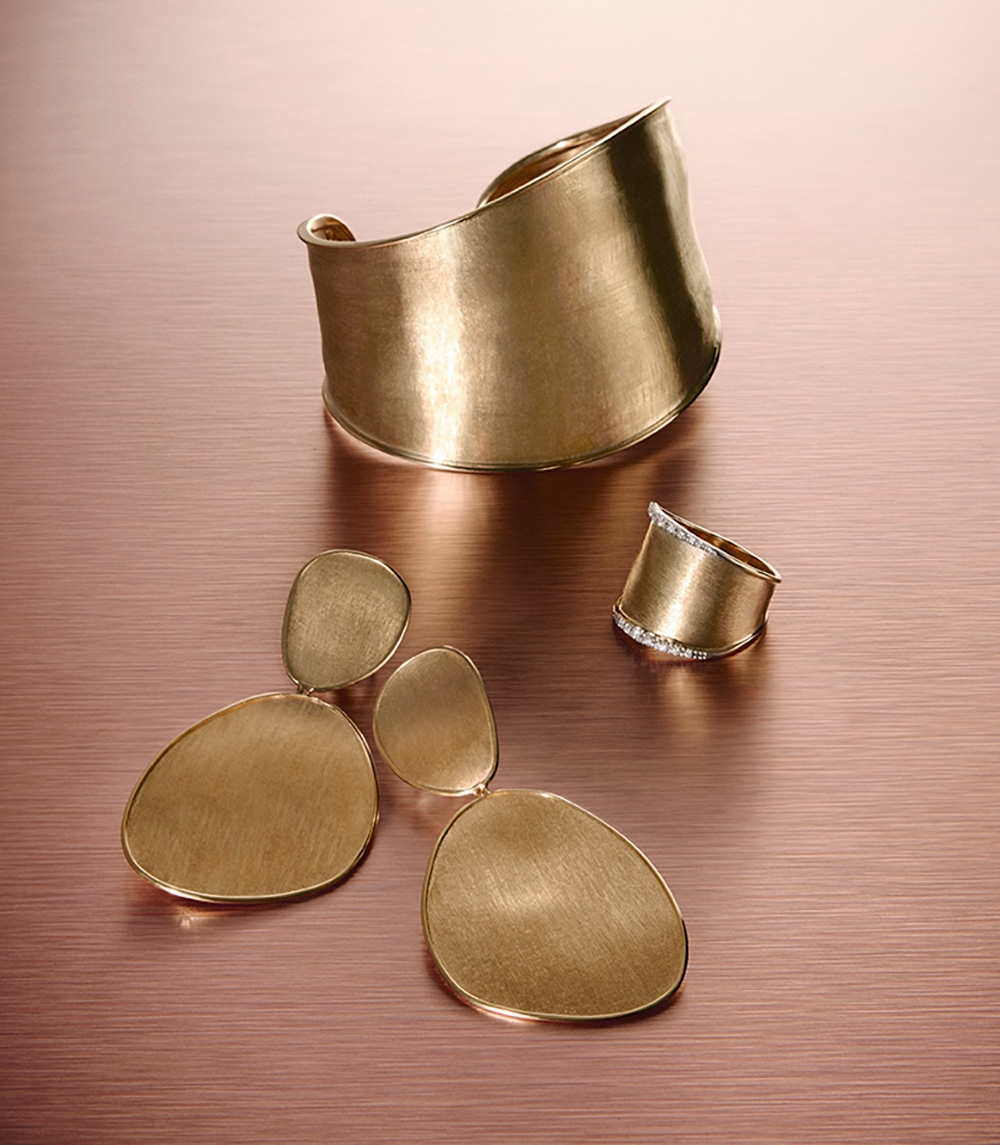
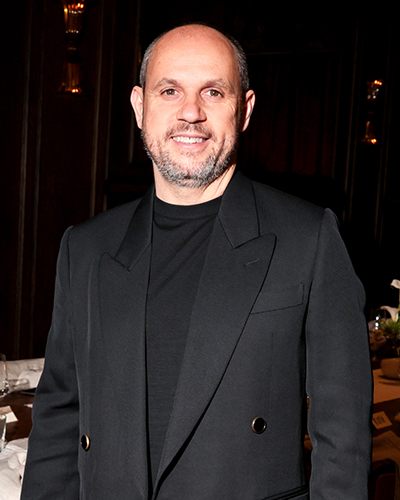
Marco Bicego
“The best part of people knowing who I am as a designer is the connection it creates.”
Since founding his eponymous brand in 2000, Bicego’s approach to sharing his work has evolved alongside both the industry and technology. Early on, his focus was on the craft, letting the designs speak for themselves.
“The traditional methods of showcasing my creations through flagship stores, boutique displays, and brand events were the primary ways to engage with clients,” he says. “However, with the advent of digital media and social platforms, it became clear that sharing the story behind the work was just as important as the work itself.”
In recent years, Bicego says he has embraced a more personal approach by using brand channels—including his website and social media channels—to share insights into his creative process, the inspirations behind each collection, and the craftsmanship involved with every piece.
For example, earlier this year, Bicego posted a video on Instagram showing his design process and his offices. In the clip, which notes that 2025 marks the brand’s 25th anniversary, Bicego talks about his journey and thanks his clients for being a part of his story.
“I believe it’s important to build a deeper connection with the audience by offering a glimpse into my artistic journey, values, and vision,” Bicego says. “It’s no longer just about showcasing jewelry; it’s about telling a story and sharing a piece of myself through these designs.”
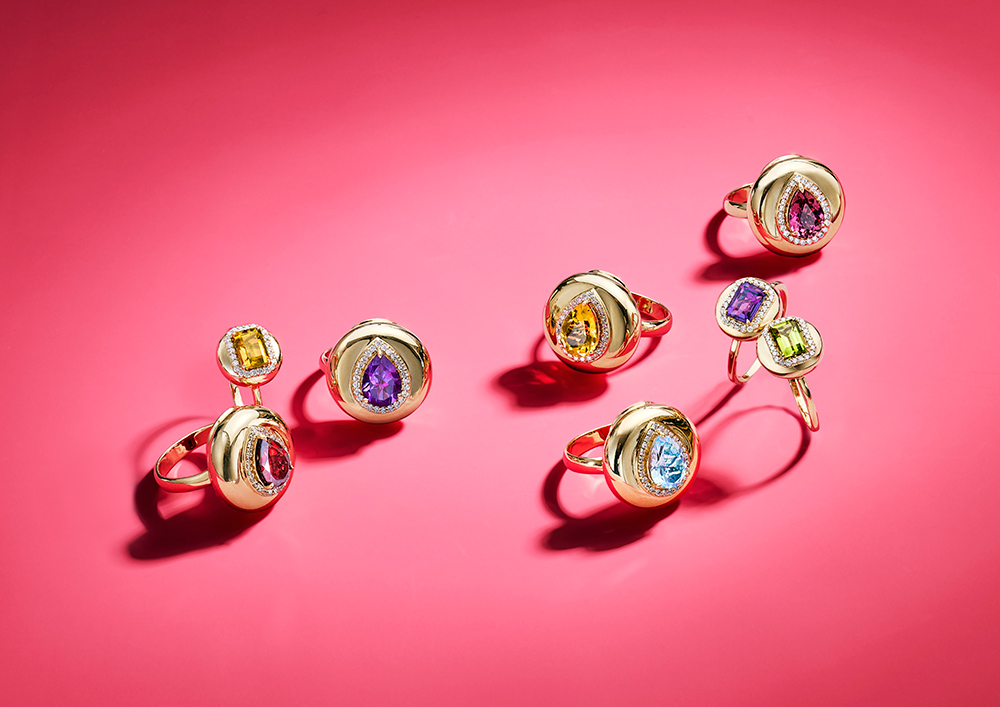
Stephanie Gottlieb
“In a digital world, that personal element is more important than ever.”
The New York City designer and Instagram influencer says her best advice is short and sweet: Be yourself. It sounds simple, but in a crowded market, authenticity is what sets you apart.
“People don’t just buy jewelry; they buy into a story, a feeling, and a connection,” Gottlieb says. “Share what inspires you, the meaning behind your designs, and your journey. The more genuine you are, the more people will connect with your brand.”
Look to Gottlieb’s regular “Get Ready With Me” Instagram clips as a case study. In one video, she talks about what she wears to meetings and how she transforms a simple suit into a relaxed outfit perfect for drinks with friends. But it’s not always fashion and sparkle. Gottlieb isn’t afraid to show the ups and downs of being a mom, highlighting in a recent Instagram story her son’s reluctance to get out of bed on the weekend to go to baseball practice.
Gottlieb says creators should be open to sharing their lives and the process of making and selling their jewelry—not just the finished products. Customers love behind-the-scenes glimpses, especially the unpolished and unfiltered moments, whether it’s a sketch coming to life, the craftsmanship process behind a piece, or the inspiration for a collection. It makes them feel invested in your work, she says.
Gottlieb recently started a Substack newsletter about her professional and personal inspirations. In April, she highlighted her favorite things to do in New York City, including a cocktail-making class at Apotheke in Chinatown. In other newsletters, she’s discussed how her creativity comes from travel. “Each trip is a source of inspiration that reminds me of the beauty that surrounds us every day; it’s only when I’m on vacation and off my routine that I can remind myself to really appreciate it! I’m a nostalgic person, and each trip leaves me with memories I treasure. I love to capture those memories in my design.”
Gottlieb admits there are pros and cons to sharing your story. So be prepared.
“Jewelry is such a personal purchase, and when people feel like they know me, they trust me to be part of their special moments,” Gottlieb says. “Social media allows me to engage with my community in real time, hear their feedback, and create pieces that truly resonate.”
But the feedback is not always positive. “It took time to find a balance between being open and protecting my personal boundaries,” Gottlieb says. “I’ve learned to focus on the positive, lean on a strong support system, and remind myself that not every comment deserves a response.”

Martin Katz
“Jewels. Like No Other.”
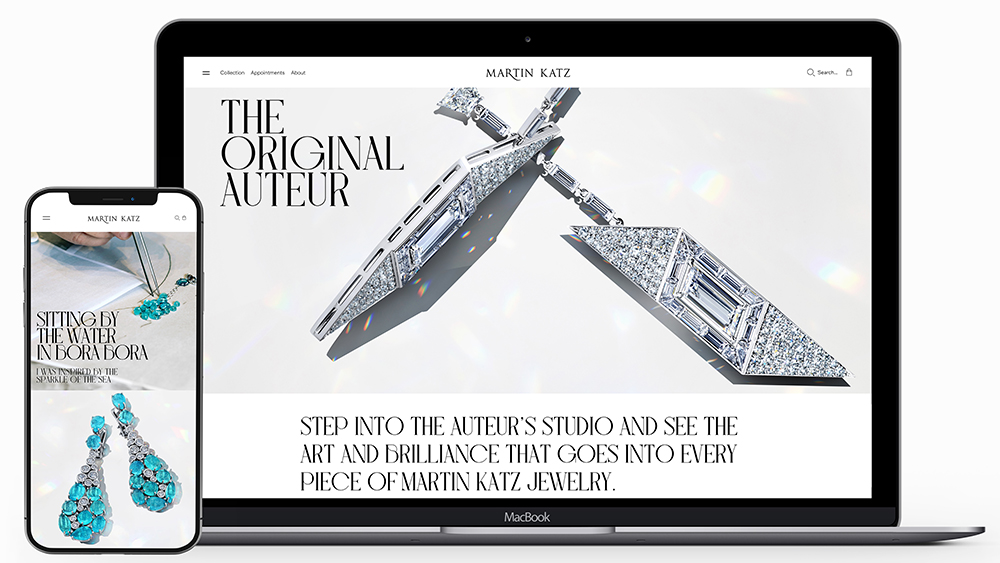
In March, Beverly Hills, Calif.–based jeweler Martin Katz revised his website after spending a year going through his archives, talking to professionals, and thinking through his goals for the future. The result is a focused campaign that highlights his artistry, legacy, and branding as an “industry insider.”
“You have to look at what someone else’s perspective is of you—do you agree?” Katz says. “It makes you reflective. With that reflection, you can reflect on your designs.”
Katz says he is comfortable with his niche, which draws inspiration from vintage jewelry, especially the art deco style, earning him wide acclaim for designing “contemporary jewelry with an old soul.” Each piece bearing the Martin Katz signature is a genuine rarity, either one of a kind or produced in limited edition.
When Katz founded his brand, he knew the most desirable jewelry pieces from the major houses were signed and numbered, so he did the same. “My hope is that one day someone comes across a secondhand piece of Martin Katz jewelry, and they will pay a premium for that,” he says.
“I’ve always prided myself on having a look or DNA to the brand,” Katz says. “It really comes from being committed to staying a course of where I want the jewelry to be rather than what sells, per se. I don’t want to be part of a pack.”
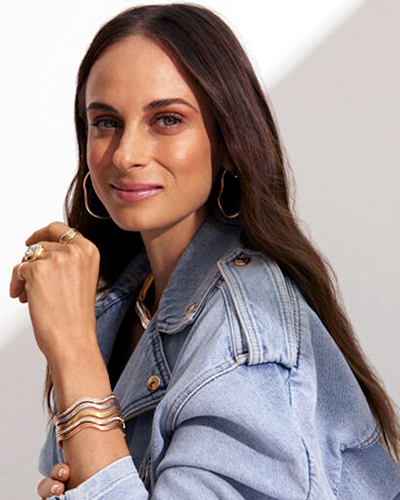
Top: Personalized Slider Bangles in 18k yellow gold and diamonds, prices on request; Stephanie Gottlieb
(All photos courtesy of designers)